


Deptford resident Danielle Lowe found lasting relief from pelvic organ prolapse and bladder issues...
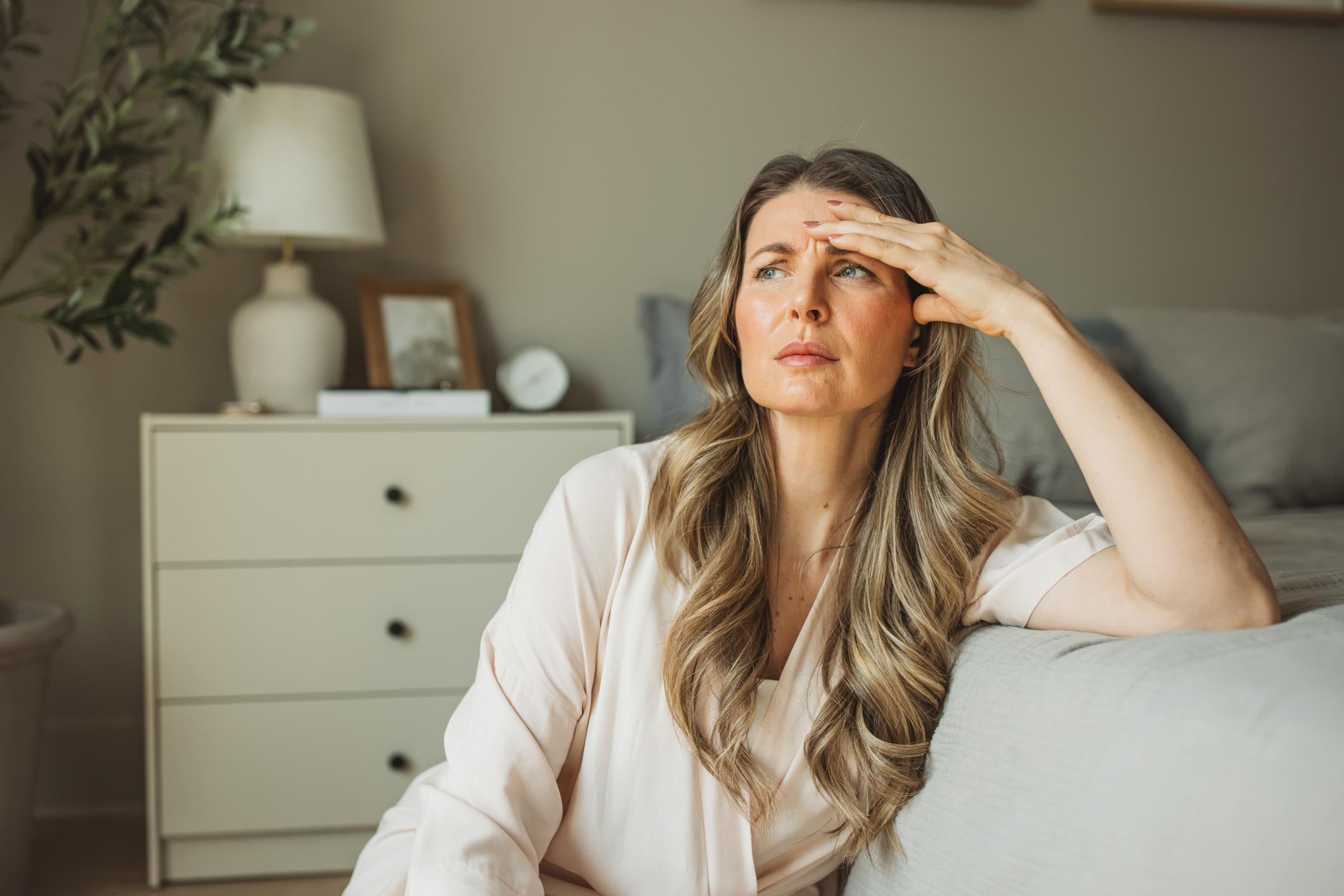
Menopause is defined as 12 consecutive months without a period, marking the end of menstrual cycles. For many, menopause means relief from monthly bleeding and hormonal changes, so any bleeding experienced afterward can feel unsettling.
While postmenopausal bleeding should always be evaluated, the causes can range from minor issues to more serious conditions.
There are several reasons why bleeding may occur after menopause. One common cause is vaginal or uterine atrophy, which happens when lower estrogen levels cause the tissues of the vagina and uterus to become thin, dry and less elastic. “When estrogen drops, vaginal and uterine tissues thin and become fragile, leading to dryness, irritation and sometimes bleeding,” said Tina Colella, CNM, a certified nurse midwife at Inspira Health.
Another possibility is the presence of polyps, which are small, noncancerous growths that may develop in the uterus, cervix or vaginal wall. Polyps are usually benign but can occasionally cause spotting.
Hormone replacement therapy can also trigger bleeding, especially in the first few months as the body adjusts. Vaginal or uterine infections can also cause inflammation and bleeding.
“Though less common, postmenopausal bleeding can sometimes be a symptom of endometrial cancer or, more rarely, cervical or vaginal cancer,” said Colella.
Any bleeding after menopause should be checked by your provider, even if it’s a small amount of spotting that occurs only once. Many cases turn out to have benign explanations, but prompt evaluation ensures that more serious conditions are detected early.
You should seek care right away if bleeding is heavy, happens with pelvic pain or is accompanied by additional warning signs such as:
If you visit your OB/GYN for postmenopausal bleeding, they will work to determine the source. “A pelvic exam is often the first step, which allows your provider to check the health of the vaginal and cervical tissue,” said Colella. “Imaging tests, such as an ultrasound, may be recommended to measure the uterine lining’s thickness and identify growths.”
In some cases, they may perform an endometrial biopsy. This test collects a small tissue sample from the uterus to rule out or confirm cancer and other conditions. Another option is hysteroscopy, a procedure that uses a thin, lighted scope to view the inside of the uterus in detail. These diagnostic tools give your care team valuable information to guide next steps.
Your treatment plan will depend on the underlying cause. If the bleeding is caused by thinning tissue, low-dose estrogen creams, tablets or vaginal rings can help restore strength and reduce irritation. Polyps can often be removed during a straightforward office procedure. If hormone therapy is the cause, your doctor may recommend adjustments to your regimen. Infections can usually be managed with antibiotics or antifungal medications.
If postmenopausal bleeding results in a cancer diagnosis, treatment may include surgery, radiation therapy, chemotherapy or a combination of approaches, depending on your needs and the stage of disease. Your physician will work with you to create a plan that balances safety, effectiveness and quality of life.
“While bleeding after menopause can be concerning, it is not always a sign of cancer or another serious condition. Still, it should never be ignored,” said Colella. “By reaching out to your provider, you can identify the cause and receive treatment when needed.”
With timely care, most cases of postmenopausal bleeding can be managed effectively, allowing you to move forward with greater peace of mind.

Deptford resident Danielle Lowe found lasting relief from pelvic organ prolapse and bladder issues...

If your mammogram report mentioned breast density, you're not alone. It's worth understanding what...

Pregnancy cravings often begin in the first trimester as hormonal shifts influence taste and smell...