
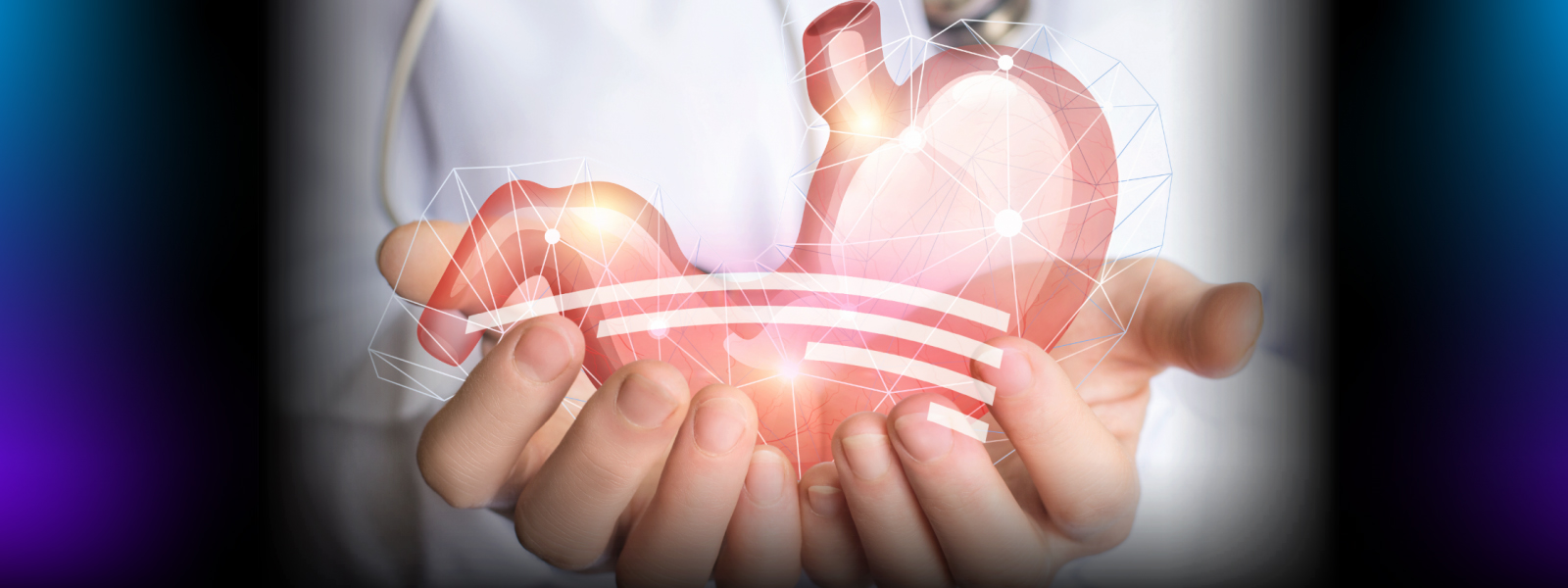
Learn what to expect from a colonoscopy, how the procedure works and why it’s essential for detecting polyps, colorectal cancer and digestive conditions like inflammatory bowel disease (IBD).
What Is a Colonoscopy?
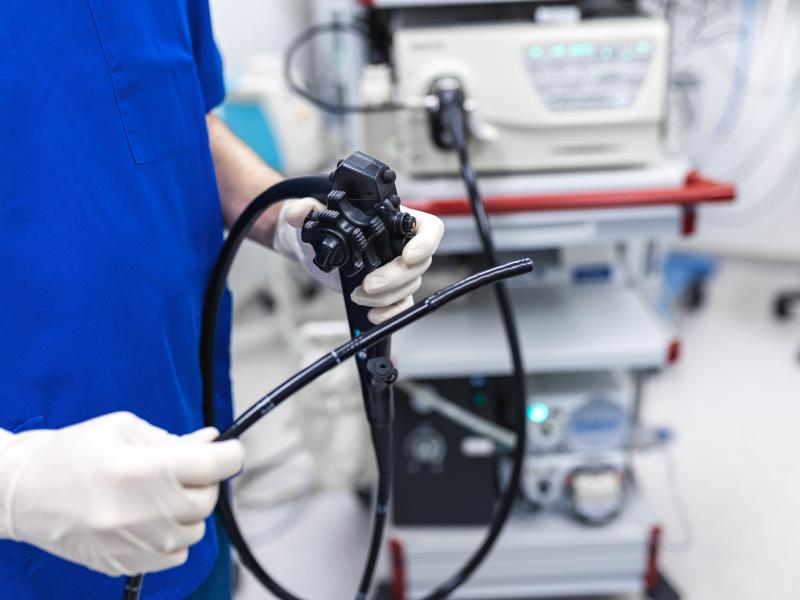
A colonoscopy is a minimally invasive diagnostic procedure that allows a gastroenterologist to examine the inner lining (mucosa) of the rectum and colon using a colonoscope—a long, flexible tube equipped with a light and high-definition camera. This test helps detect colorectal polyps, adenomas, ulcers, inflammation, bleeding sources and early signs of colorectal cancer.
Colonoscopy is essential for diagnosing gastrointestinal symptoms such as rectal bleeding, chronic diarrhea, abdominal pain and changes in bowel habits. It also plays a key role in managing conditions like inflammatory bowel disease (IBD), including Crohn’s disease and ulcerative colitis, monitoring diverticular disease, and performing surveillance in patients with a history of colorectal cancer or colonic polyps.
Routine colon cancer screening is recommended starting at age 45 and repeated every 10 years. Patients with risk factors—such as family history or underlying GI disorders—may need earlier or more frequent screening.
How Colonoscopies Work
During the procedure, you’ll be sedated while the physician gently inserts the colonoscope through the rectum and advances it through the colon. The scope inflates the bowel with air or carbon dioxide to improve visibility, allowing real-time evaluation of the colonic mucosa on a monitor.
If polyps, suspicious lesions or other abnormalities are found, the physician may perform a polypectomy, biopsy or other therapeutic intervention using specialized tools inserted through the scope. All removed tissue is sent to pathology for microscopic examination. The procedure typically takes 20–45 minutes.
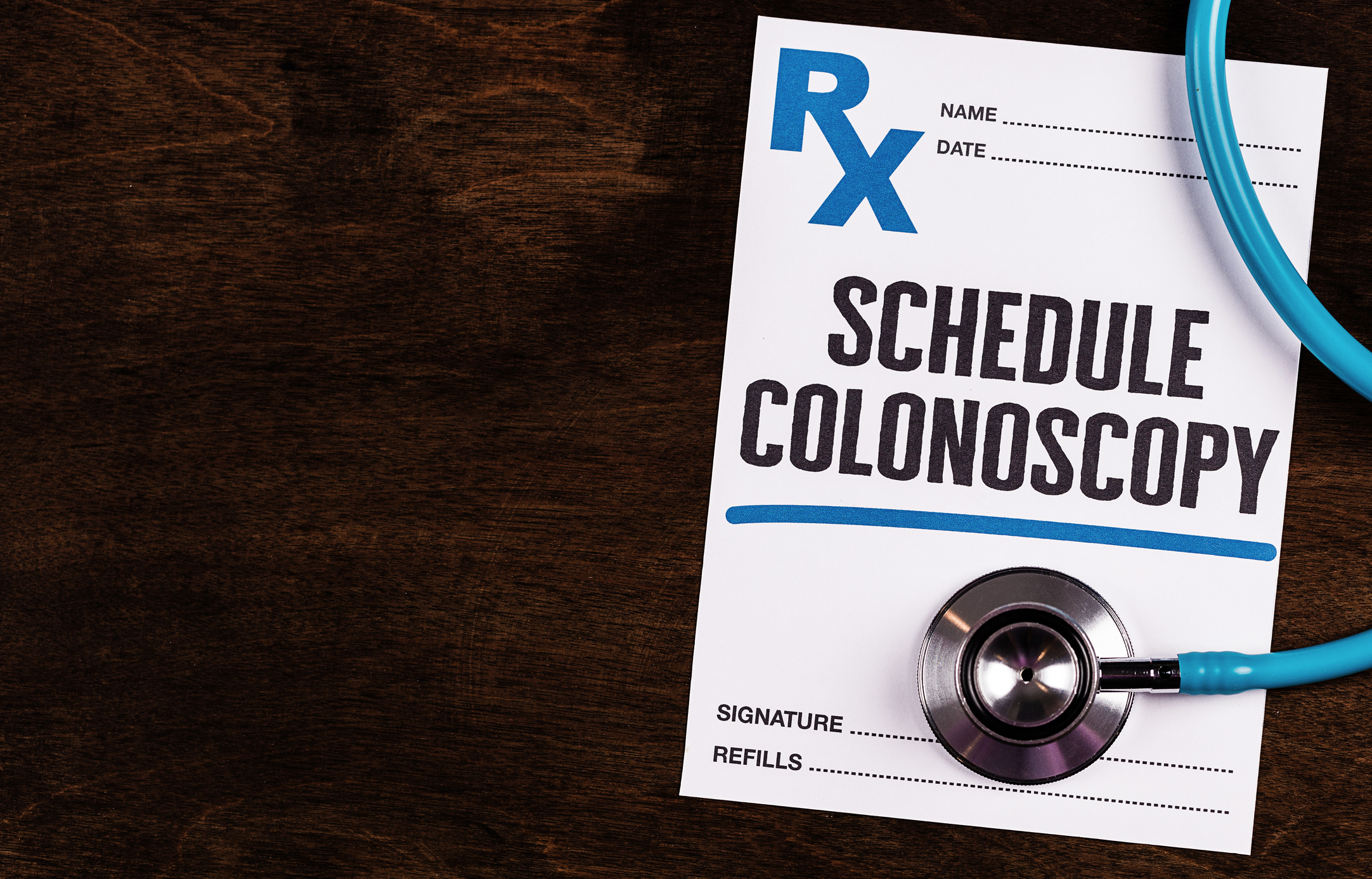
Types of Colonoscopies
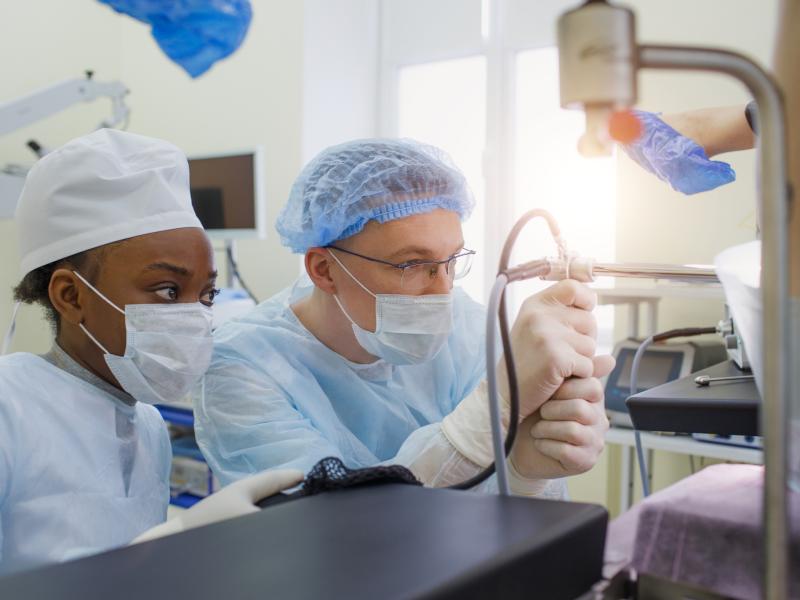
Standard Optical Colonoscopy
This traditional procedure involves a long, flexible tube with a light and a camera to visually inspect the entire colon and remove any detected polyps or tissue samples.
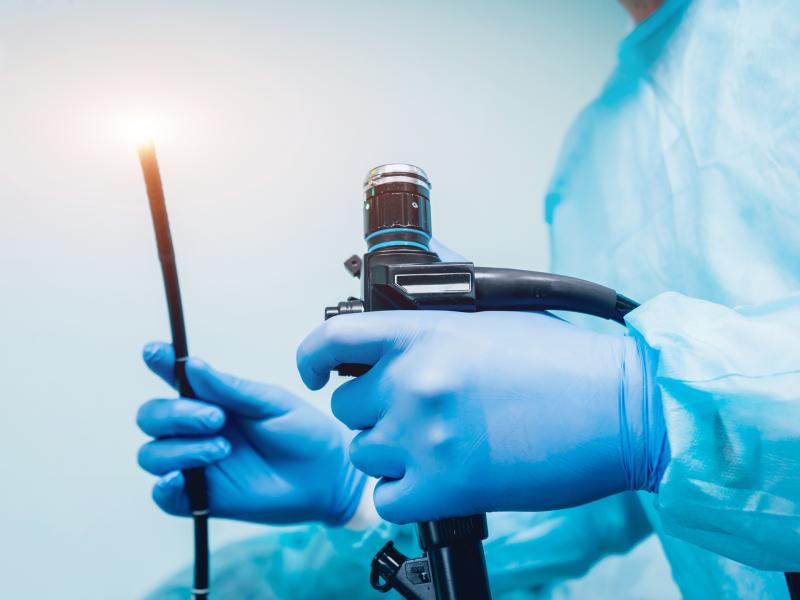
High-Definition Colonoscopy
By using ultra-high-resolution scopes, this technique produces clearer and more detailed images of the colon’s lining, resulting in improved detection of subtle lesions.
Chromoendoscopy
An enhancement used during a standard colonoscopy where the physician sprays a dye onto the mucosal surface to highlight abnormal tissue patterns and improve the detection of early lesions.
Narrow-Band Imaging (NBI)
This method filters white light into specific blue and green wavelengths to enhance the visibility of blood vessels and surface textures, helping to distinguish between benign and precancerous areas.
Water Exchange Colonoscopy
Instead of using gas to expand the colon, this technique fills the colon with water, which can reduce discomfort and improve the detection rate of flat or hidden polyps.
CT Colonography (Virtual Colonoscopy)
A noninvasive alternative that uses low-dose CT scans and computer reconstruction to create a three-dimensional view of the colon’s interior without inserting a scope.
Additional Colonoscopies
Capsule Colonoscopy:
Patients swallow a small, pill-sized camera that wirelessly transmits thousands of images as it travels through the digestive tract, allowing doctors to review the colon without sedation.
What to Expect When You Have a Colonoscopy
Before the procedure, you’ll follow a clear liquid diet and complete bowel prep using prescribed laxatives to fully cleanse the colon. Your care team will review your medications, medical history and sedation plan in advance.
During the exam, you’ll lie on your side while receiving conscious sedation or monitored anesthesia. Most patients remain comfortable or sleep through the entire procedure. You may feel mild cramping or pressure from gas inflation, but the exam is generally painless.
After the colonoscopy, you’ll recover for 30–60 minutes as sedation wears off. It’s normal to feel bloated or pass gas. Your physician will discuss findings and next steps before discharge. You must have someone drive you home. Most people can resume normal diet and activities the same day unless otherwise advised.
Direct Access Colonoscopy Scheduling
Inspira offers direct access colonoscopy scheduling to streamline your colorectal cancer screening. You can bypass the traditional referral process by calling our scheduling team if you are:
- between 45 and 75 years old
- in good health
- either asymptomatic or have a qualifying family history
During a brief phone call, our scheduling specialist will review your medical history, confirm eligibility and secure a procedure date within two weeks. This efficient approach reduces wait times, expands access to life‑saving screenings and underscores our commitment to early detection and personalized care.
For more information or to schedule:
Check Eligibility for Direct Access Colonoscopy


