


Negative pressure wound therapy (NPWT) is an advanced treatment that uses controlled suction to help...
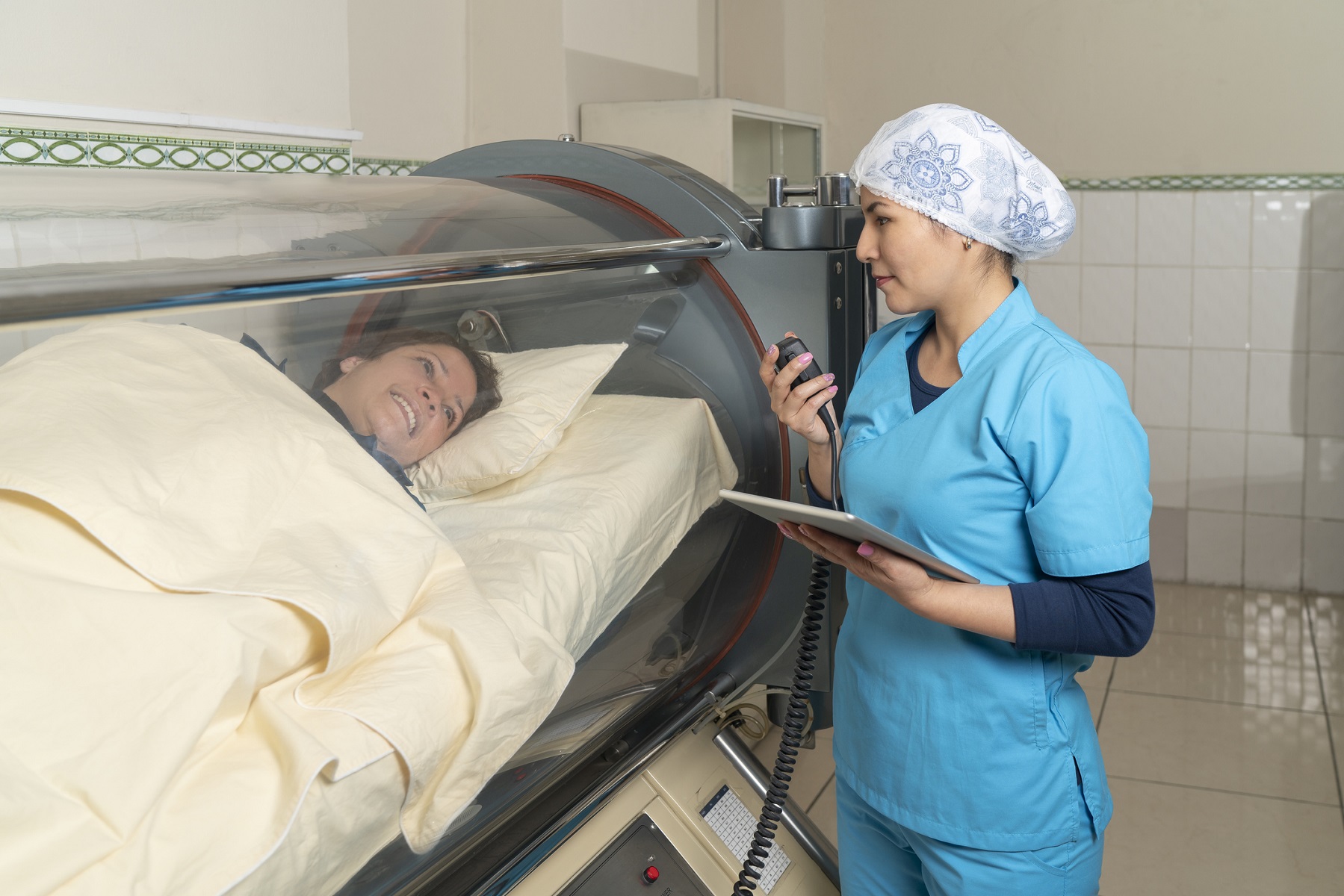
Hyperbaric oxygen therapy (HBOT) is a safe and proven treatment that offers hope and healing for people facing a wide range of medical challenges.
“During HBOT, you breathe 100 percent oxygen inside a pressurized chamber, which allows your lungs to take in more oxygen than they would in a normal environment,” said Jaclyn Brunner M.D., Medical Director of Hyperbaric Oxygen Therapy at Inspira Health. “That oxygen-rich blood circulates throughout your entire body, stimulating healing, reducing inflammation and helping tissues recover more quickly from injury or illness.”
Here are seven conditions where HBOT can make a meaningful difference:
Some wounds simply don’t respond to standard care, often due to poor circulation, infection or underlying health conditions. HBOT delivers oxygen directly to the tissues that need it most, helping stimulate new blood vessel growth, reduce swelling and restart the healing process.
For people living with diabetes, reduced blood flow and nerve damage can make even small foot wounds dangerous. Without proper healing, these ulcers can lead to infection and even amputation. “HBOT can improve oxygen delivery to damaged tissues, helping ulcers heal faster and lowering the risk of serious complications,” said Brunner.
Radiation therapy can be highly effective against cancer, but it sometimes damages surrounding healthy tissue. Months or even years after treatment, patients may develop pain, tissue breakdown or nonhealing wounds in the affected area. HBOT promotes the growth of new blood vessels and helps restore oxygen supply to these damaged tissues, aiding long-term recovery.
Carbon monoxide binds to red blood cells more easily than oxygen, quickly depriving the brain and body of the oxygen they need to function. In a hyperbaric chamber, breathing pure oxygen helps flush carbon monoxide from the bloodstream much more quickly than standard oxygen therapy, reducing the risk of brain damage and other serious outcomes.
When tissue is crushed or seriously injured, swelling can restrict blood flow and deprive cells of oxygen, often causing significant permanent damage. HBOT reduces swelling, increases oxygen delivery and supports tissue repair, giving the body a much better chance to heal fully.
Some aggressive infections—such as necrotizing soft tissue infections, rare but severe bacterial infections that spread rapidly in soft tissues—thrive in low-oxygen environments. “HBOT floods these tissues with oxygen, making it harder for harmful bacteria to spread while giving your immune system an extra boost to fight the infection,” said Brunner.
In some cases of sudden hearing loss, doctors turn to HBOT to help restore blood flow to the inner ear. By improving oxygen levels in the delicate ear tissues, this therapy can support healing and potentially improve hearing, especially when started soon after symptoms appear.
“Hyperbaric oxygen therapy isn’t the right choice for every condition, but when it’s part of a comprehensive care plan, it can be a powerful tool to support your body’s natural healing process,” said Brunner. “If you’re facing a chronic wound, severe injury, infection or another complex medical concern, a wound care specialist can help determine whether HBOT is a safe and beneficial option for you.”
Negative pressure wound therapy (NPWT) is an advanced treatment that uses controlled suction to help...

Managing diabetes involves more than blood sugar control—it also requires diligent wound care to...