


Stress and anxiety can cause physical symptoms, including a racing heart, stomach discomfort...
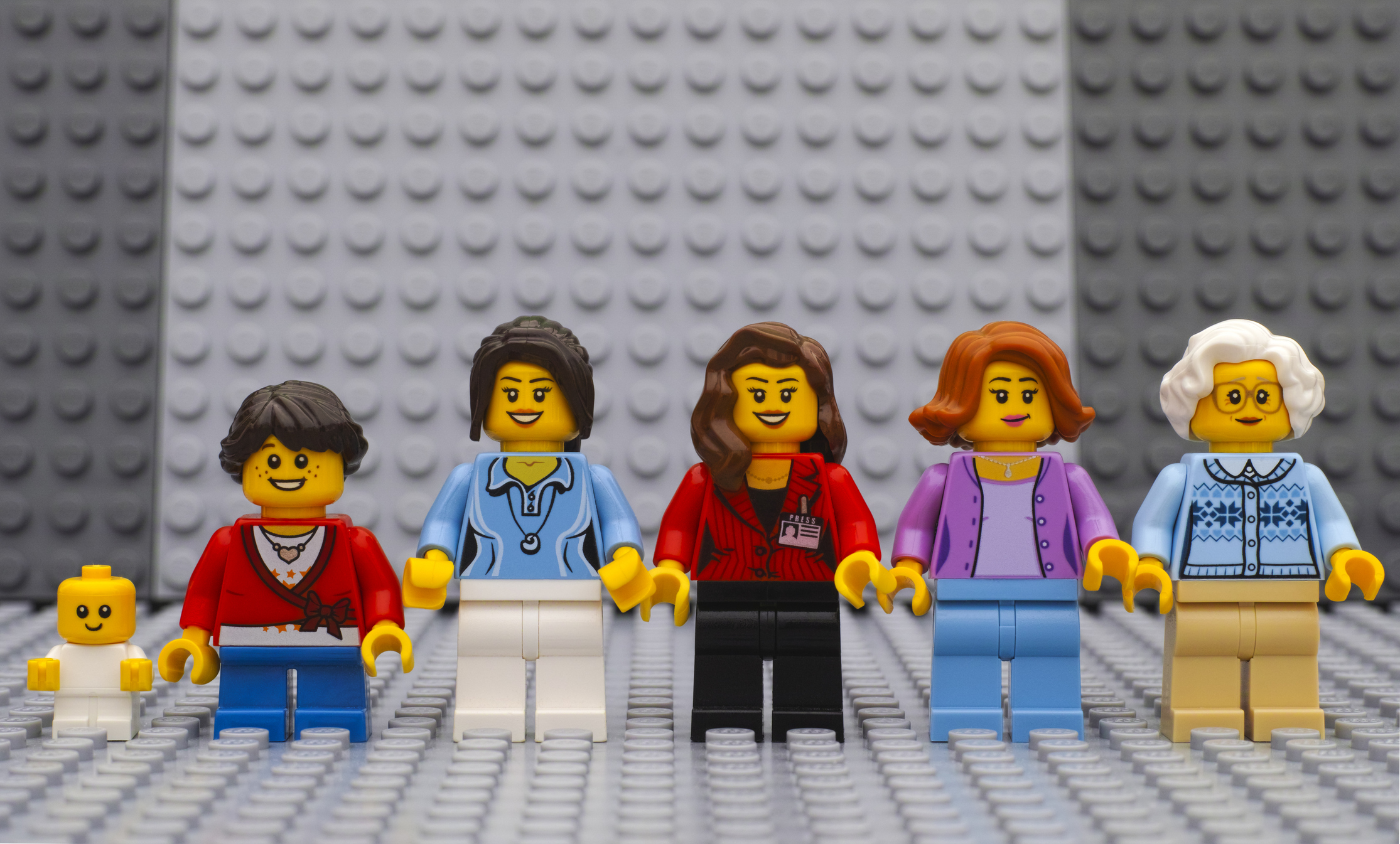
When you think about tools for mental health, a colorful pile of plastic bricks might not be the first thing that comes to mind. However, LEGO is gaining attention as a surprisingly effective way to support emotional well-being for people of all ages.
Hands-on creativity can be a surprisingly powerful antidote to the stress and mental noise of everyday life.
The act of building with LEGO engages your hands, eyes and mind all at once. “This kind of focused, repetitive activity is known to activate the brain's relaxation response, similar to what happens during meditation or deep breathing,” said Kerri Panichello, MS, LPC, CAS therapist and Certified Autism Specialist at Inspira Health. “When you're concentrating on fitting bricks together, your mind has less room for the worries and racing thoughts that feed anxiety and stress.”
Research indicates that hands-on, creative activities help regulate the nervous system. LEGO-based approaches have made their way into formal therapeutic settings, where clinicians use building exercises to help children and adults process emotions, develop problem-solving skills and improve communication. The structured yet flexible nature of LEGO makes it a particularly useful tool in this type of work.
Mindfulness, the practice of bringing your full attention to the present moment, can sometimes feel hard to achieve. LEGO offers a back door into that mental state. When you're sorting bricks by color, following a set of instructions or designing something entirely from your imagination, you naturally settle into a flow state where time slows down and distractions fade away.
This is especially valuable for people who struggle with traditional mindfulness techniques or find it hard to sit still. LEGO gives your hands something to do, which makes it much easier to stay present and calm.
Many of us spend hours each day looking at screens for work, communication and entertainment. “That constant digital stimulation can leave the brain feeling overstimulated and drained,” said Panichello. “Choosing a screen-free activity like LEGO offers an opportunity to step away from that noise and engage in something tactile and real.”
The physical sensation of handling bricks, the satisfying click of two pieces locking together and the gradual appearance of something you've built with your own hands: These small experiences add up to something meaningful. Many people feel calmer, more focused and even proud after a LEGO session, no matter what they built.
One of the biggest misconceptions about LEGO is that it's only for children. In reality, building with LEGO can be just as beneficial, if not more so, for adults managing the everyday pressures of modern life. “Stress, burnout and anxiety are real challenges that affect people across every age group, and creative play is one of the most accessible ways to address them,” said Panichello.
You don't need special skills, a large budget or a lot of time. Even 20 minutes of building can shift your mood, clear your head and give you a small but meaningful sense of accomplishment.
Building something with your hands is one of the simplest ways to give your mind a break. The next time stress starts to creep in, consider reaching for a set. Snap a few bricks together and see where it takes you. Sometimes the best thing you can build is a little peace of mind.

Stress and anxiety can cause physical symptoms, including a racing heart, stomach discomfort...

A Bridgeton mother shares how Inspira Health’s Perinatal Mental Health Services helped her through...

Explore the multifaceted challenges that Black birthing parents face, including disparities in...