


Explore the different types of hormone replacement therapy, including pills, patches, creams, gels...
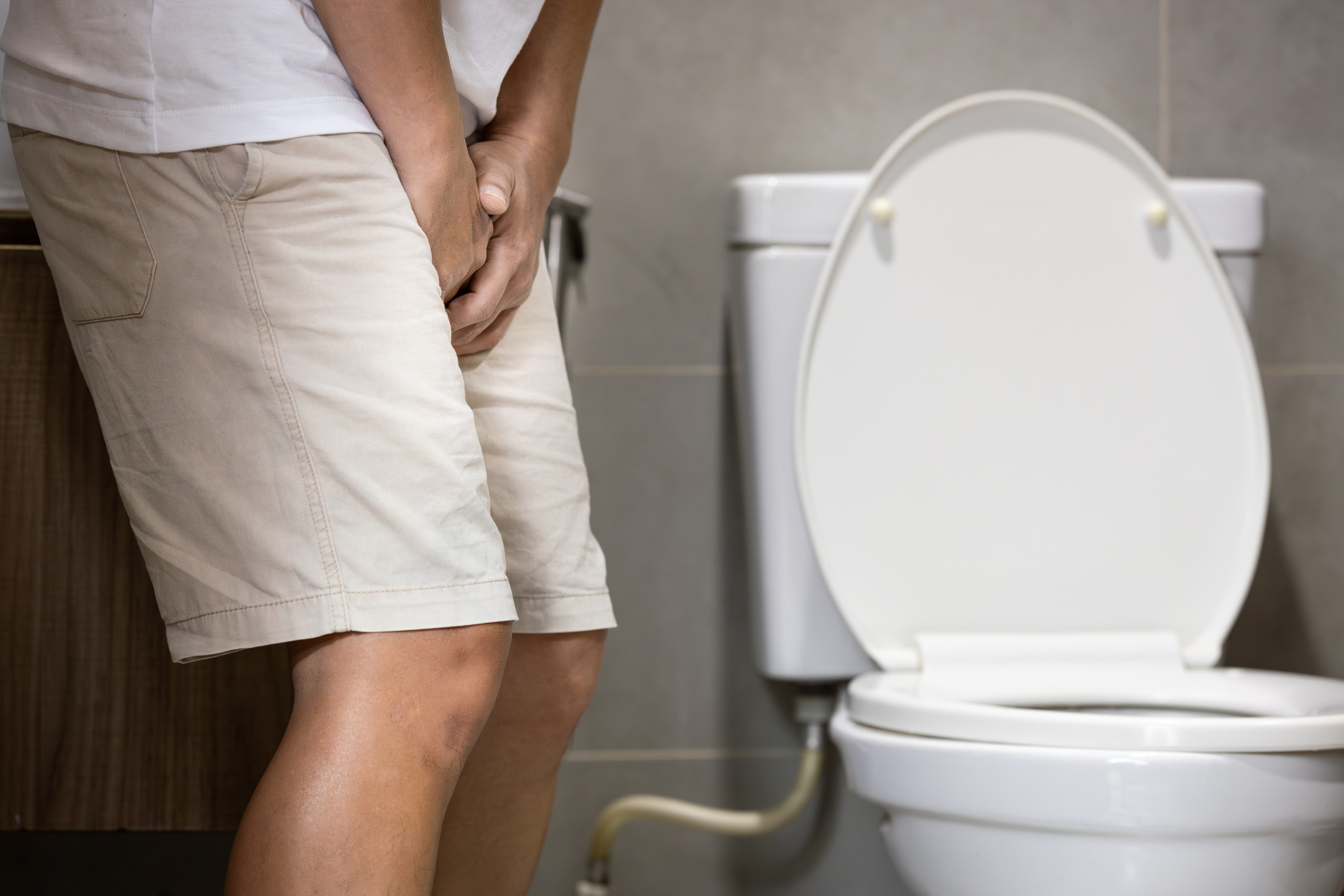
Overactive bladder is common, but that doesn’t mean you have to live with it.
If you find yourself mapping out bathrooms before leaving the house or waking multiple times a night to urinate, you’re not alone. Effective treatment options are available.
Overactive bladder (OAB) is a pattern of urinary urgency that’s difficult to delay. That urgency may happen with or without leakage, known as urge incontinence. “Many people with OAB experience urinary urgency, may wake during the night to urinate or feel sudden pressure to rush to the bathroom even when their bladder isn’t very full,” said Fabiana Kreines, M.D., a urogynecologist with Inspira Health.
Unlike some conditions that show up clearly on a scan or lab test, OAB is identified based on this cluster of symptoms and how much they disrupt daily life.
OAB occurs when the bladder muscles contract at the wrong time. “Normally, the bladder fills gradually and sends signals to the brain when it’s appropriate to urinate,” said Dr. Kreines. “In someone with OAB, that signaling becomes overly sensitive or poorly regulated, triggering urgency before the bladder is actually full.”
Age-related changes, hormonal shifts such as menopause and certain neurologic conditions can contribute. Diabetes, prior pelvic surgery, chronic constipation and recurrent urinary tract infections (UTIs) may also play a role. In some cases, no single cause is identified, but treatment can still be effective.
OAB symptoms often include:
Symptoms can range from mildly frustrating to deeply disruptive, affecting sleep, concentration, travel, exercise and social confidence.
Your doctor will start the diagnostic process by asking what symptoms you’re experiencing, how often they happen and how they affect your day or sleep. They’ll also review your medical history and ask about your fluid intake, any medications you take and bowel habits.
You may be asked to keep a bladder diary for a few days. Writing down when you drink fluids, when you urinate, and when you experience urgency or leakage can reveal patterns that aren’t obvious at first.
Your doctor may also perform a pelvic exam and have you complete a urine test to check for blood or other underlying causes for your symptoms. If your symptoms are more complex, they may recommend additional bladder testing to help guide next steps. “The goal is to understand what’s driving your symptoms and rule out other causes before developing a treatment plan,” said Dr. Kreines.
Most people start with practical, noninvasive strategies, such as:
If symptoms don’t improve, your doctor may prescribe medication to relax the bladder muscles and reduce urgency and frequency.
“For people who continue to struggle, Botox® injections can calm bladder muscles for several months at a time,” said Dr. Kreines. “Neuromodulation therapies use gentle electrical stimulation to influence the nerves that control bladder function.” These treatments are minimally invasive and can provide significant relief when other approaches haven’t worked.
Talk to a urogynecologist if you plan your day around bathroom access, wake multiple times at night to use the bathroom or feel anxious about leakage. You should also talk to your doctor if you experience bladder changes, such as blood in the urine, burning with urination or a sudden shift in bladder habits.
OAB is common, but it’s not an unmanageable condition. With the right treatment plan, many people see significant improvements and regain their confidence in daily life.
Schedule a urogynecology and pelvic medicine appointment at Inspira.

Explore the different types of hormone replacement therapy, including pills, patches, creams, gels...

Polycystic ovary syndrome (PCOS) has been renamed polyendocrine metabolic ovarian syndrome (PMOS) to...
STIs don't always cause obvious symptoms, but changes like unusual discharge, genital sores, pelvic...