


Learn how hyperbaric oxygen therapy (HBOT) works and what conditions it can help treat, from chronic...
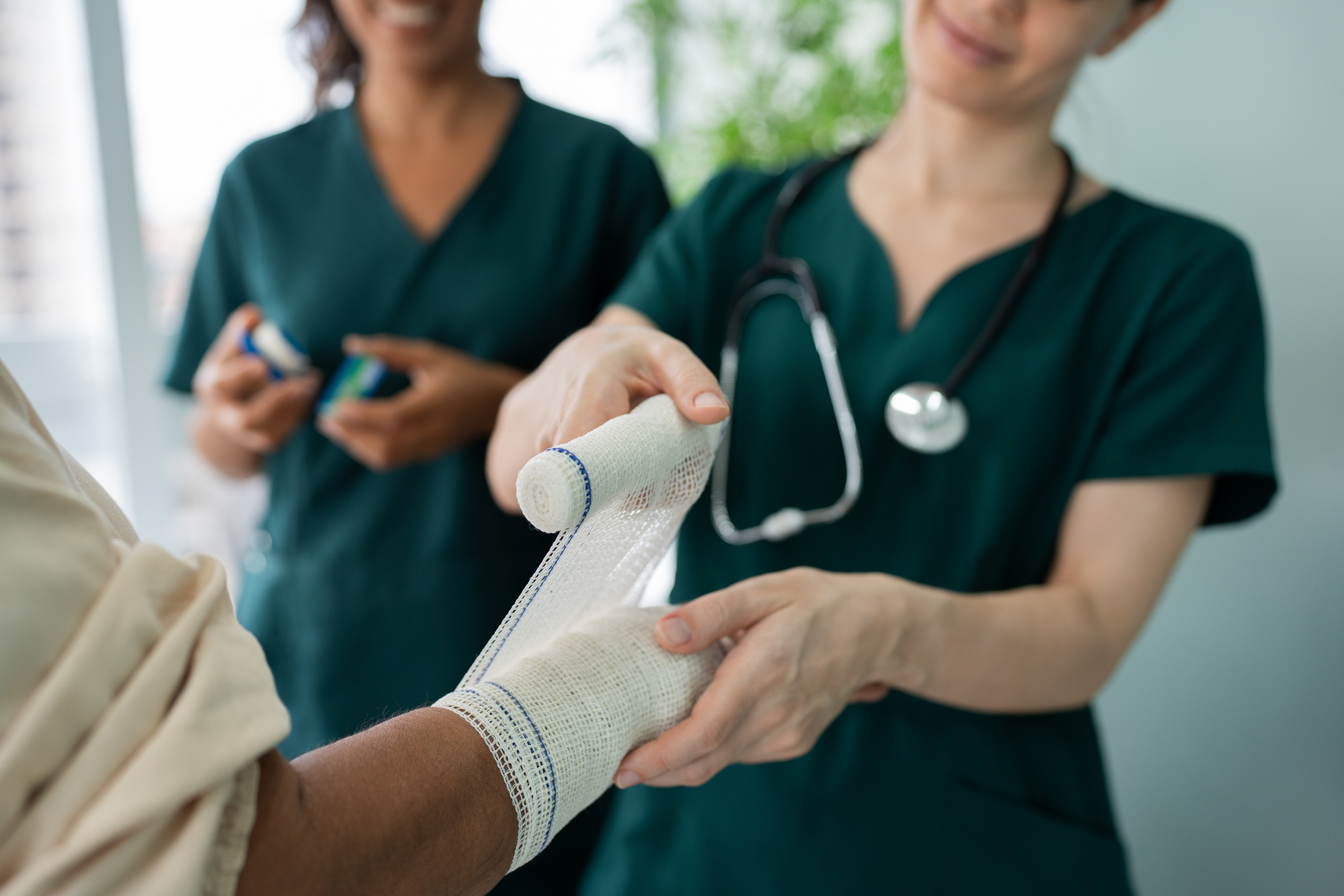
Open wounds can do more than cause discomfort; they may also increase the risk of infection. Negative pressure wound therapy (NPWT) is one of several specialized wound care treatments that can help chronic or complex wounds heal more effectively.
Negative pressure wound therapy, also known as wound vacuum therapy or wound VAC, removes excess fluid from a wound using controlled suction. During treatment, a healthcare provider places a specialized foam or gauze dressing over the wound and seals it with a transparent dressing. Then, a small tube is connected from the dressing to a portable suction device that applies negative pressure to the impacted area, either continuously or intermittently.
NPWT is commonly used for wounds that are slow to heal, at risk for infection or other complications or require advanced wound management. By removing excess fluid and reducing swelling, NPWT helps create conditions that support healthy tissue growth and wound closure.
“Successful wound healing often requires more than regular dressing changes,” said Lauren Coffua, D.O., M.S., a general surgeon and wound care specialist at Inspira Health. “Negative pressure wound therapy allows us to manage complex wounds closely and adjust treatment as healing progresses, helping patients avoid setbacks that can delay recovery.”
Many factors, such as poor circulation, infection, inflammation or underlying health conditions can slow wound healing. When a wound remains open for an extended period, patients are at an increased risk of complications.
NPWT addresses several of these challenges at once. By promoting blood flow to the surrounding tissue, supporting the growth of healthy granulation tissue, drawing wound edges closer together and creating a protected environment that reduces exposure to outside contaminants, NPWT can help accelerate healing.
“Complex wounds are often slow to heal because several factors are working against them at once,” said Dr. Coffua. “With negative pressure wound therapy, we can influence several aspects of the healing environment at the same time, which allows us to move beyond symptom management and make meaningful progress toward wound closure.”
Negative pressure wound therapy is commonly used for patients with chronic, complex or difficult-to-heal wounds. Your wound care specialist will determine whether the treatment is appropriate based on your medical history, wound type and overall health.
NPWT may be recommended for:
"Patients with diabetes, vascular disease or wounds that have not responded to traditional treatments may benefit from negative pressure wound therapy. However, the decision is always based on a careful evaluation of the wound and the patient's overall health,” said Dr. Coffua.
Not every wound is a candidate for NPWT. In some situations, other advanced wound care therapies may be more appropriate. Before treatment, your care team will carefully evaluate your condition and discuss your options.
Many patients are surprised to learn that NPWT can often be managed both in a clinical setting and at home, depending on the type and severity of the wound.
After application, patients typically carry a lightweight portable unit while receiving treatment. Dressings are usually changed every few days, though the schedule varies depending on the wound and treatment plan. During follow-up visits, your wound care team will monitor healing progress and adjust as needed.
Some patients experience mild discomfort during dressing changes, but many appreciate that NPWT often requires fewer dressing changes than traditional wound care methods.
Wounds that do not show signs of improvement after several weeks, or wounds that are showing signs of infection such as redness, swelling and warmth around the wound site should be evaluated by a wound care specialist.
"Many people wait longer than they should to seek treatment for a wound that isn't healing,” said Dr. Coffua. “Early evaluation by a wound care specialist can help identify underlying issues and provide access to advanced therapies that may improve outcomes."
If you have a wound that isn't healing properly, speaking with a wound care specialist can help determine the most appropriate treatment plan for your needs.
Learn how hyperbaric oxygen therapy (HBOT) works and what conditions it can help treat, from chronic...

Managing diabetes involves more than blood sugar control—it also requires diligent wound care to...