


Prenatal appointments are one of the most important parts of a healthy pregnancy, and a little...
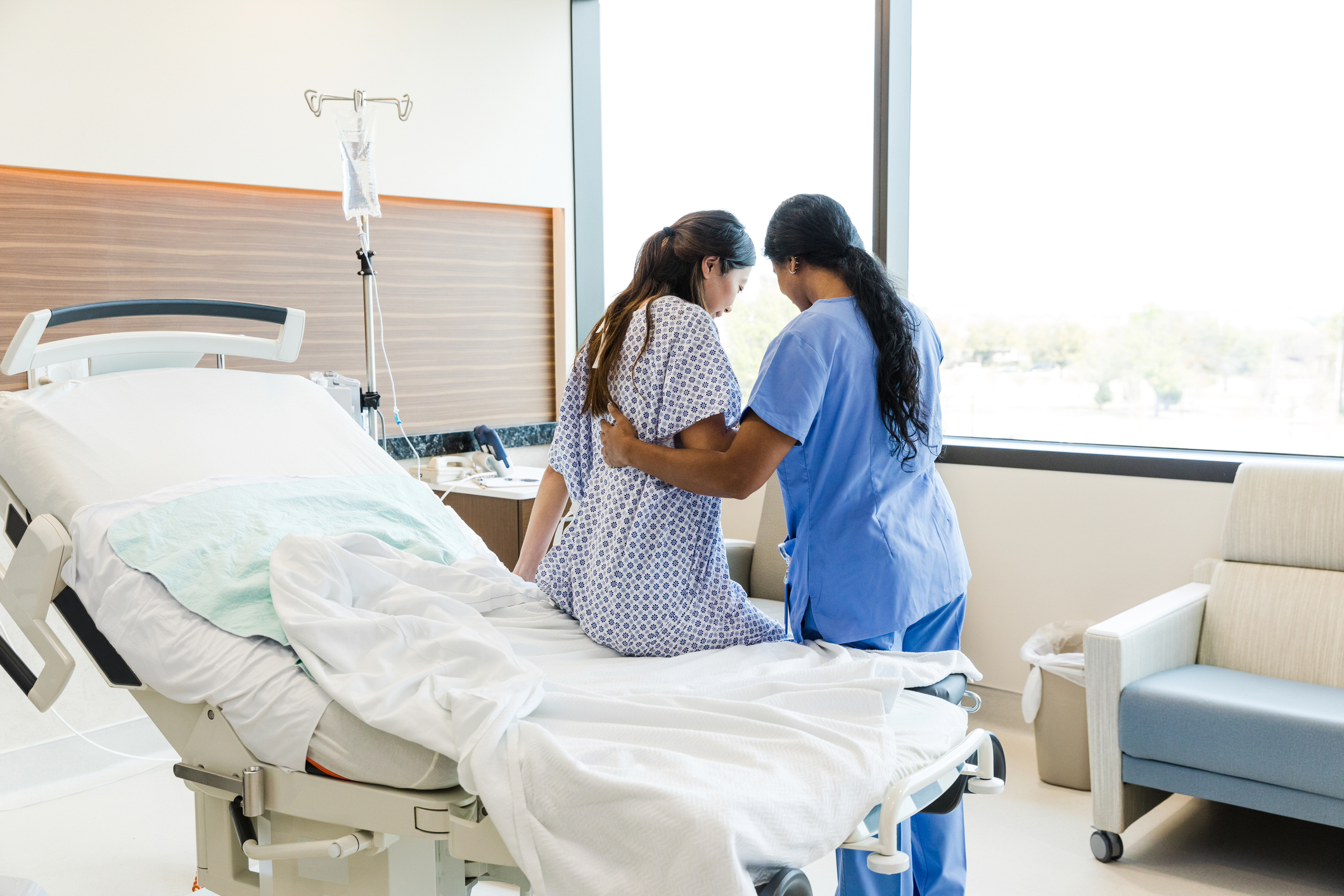
Bringing a new life into the world is a momentous event filled with joy, excitement and, at times, uncertainty. Whether you’re a first-time parent or welcoming another addition to your family, learn about essential self-care practices and common health considerations after childbirth.
Postpartum recovery is a unique journey, but many new parents notice similar experiences as their bodies and minds adjust after childbirth. “Physically, you might experience fatigue, soreness and hormonal fluctuations as your body repairs itself,” said Tina Colella, C.N.M., a certified nurse midwife with Inspira Health. “Emotionally, it’s normal to feel both elation and moments of overwhelm as you embrace your new role.” Recognizing that gradual healing is part of the process can help you remain patient and compassionate with yourself.
Your mental health is just as important as your physical recovery. Connecting with family, friends or a support group can provide comfort and reduce feelings of isolation. Incorporating mindfulness practices—whether deep breathing, meditation or gentle yoga—can ease stress and promote calm. And if you ever feel that anxiety or depression is becoming too much to handle, reaching out to a mental health professional can provide the guidance you need. Embracing your complete range of emotions without judgment is key to navigating this transformative time.
After childbirth, your body undergoes significant changes as it begins to heal. You might experience vaginal bleeding, perineal soreness or incision pain depending on your delivery method. Breast changes, such as engorgement, can also occur as your body adjusts to breastfeeding. Additionally, hormonal shifts may affect your energy, mood, hair, and skin. Understanding these natural changes can help you manage expectations and foster self-compassion during recovery.
A balanced approach that combines gentle movement with adequate rest is essential for physical recovery. “Once you receive clearance from your midwife or doctor, consider starting with light exercises like walking or postnatal yoga to promote circulation and boost your mood,” said Colella. “Rest is equally crucial—napping when you’re able to and accepting help from loved ones can significantly contribute to your recovery.” Whether you’re using prescribed medications or comfort measures like warm baths and ice packs, following your provider’s advice will help you manage pain and discomfort effectively.
Eating a balanced diet rich in vitamins, minerals and protein is fundamental to supporting tissue repair and replenishing energy after childbirth. Whole foods such as fruits, vegetables, lean proteins and whole grains promote healing and sustain your energy levels. Hydration is essential to recovery and is especially important for breastfeeding parents because it helps with milk production. When full meals feel overwhelming, small, nutrient-dense snacks throughout the day can ensure your body gets the nourishment it needs.
“If you experience severe pain, a persistent high fever or unusual bleeding, it may signal an infection or complication that needs prompt medical attention,” said Colella. “Similarly, if feelings of depression or anxiety begin to interfere with your daily life, seeking professional help is vital.” Early intervention for breastfeeding challenges—like ongoing pain or signs of infection—can also prevent more serious issues from developing.
Integrating self-care into your daily routine as a new parent can seem challenging, but it’s both possible and necessary. Start by setting realistic goals, even if that means taking a few minutes for deep breathing or a short walk each day. Relying on your support network—whether it’s family, friends or a local parenting group—can free some time for you to focus on your own needs during this busy, transformative period.
Navigating postpartum recovery means addressing your mental and physical well-being with compassion and practical strategies. By understanding the natural changes your body undergoes, embracing a balanced approach to self-care and seeking help when needed, you can build a strong foundation for healing and confidently step into the joys and challenges of parenthood.

Prenatal appointments are one of the most important parts of a healthy pregnancy, and a little...

Inspira Health's expanded maternity unit at Inspira Medical Center Mullica Hill is now open...
First-time mom and Mullica Hill nurse Kelly Caltabiano shares how Inspira’s rapid, team-based...