


Alzheimer’s disease is often misunderstood, and new research continues to expand what we know about...
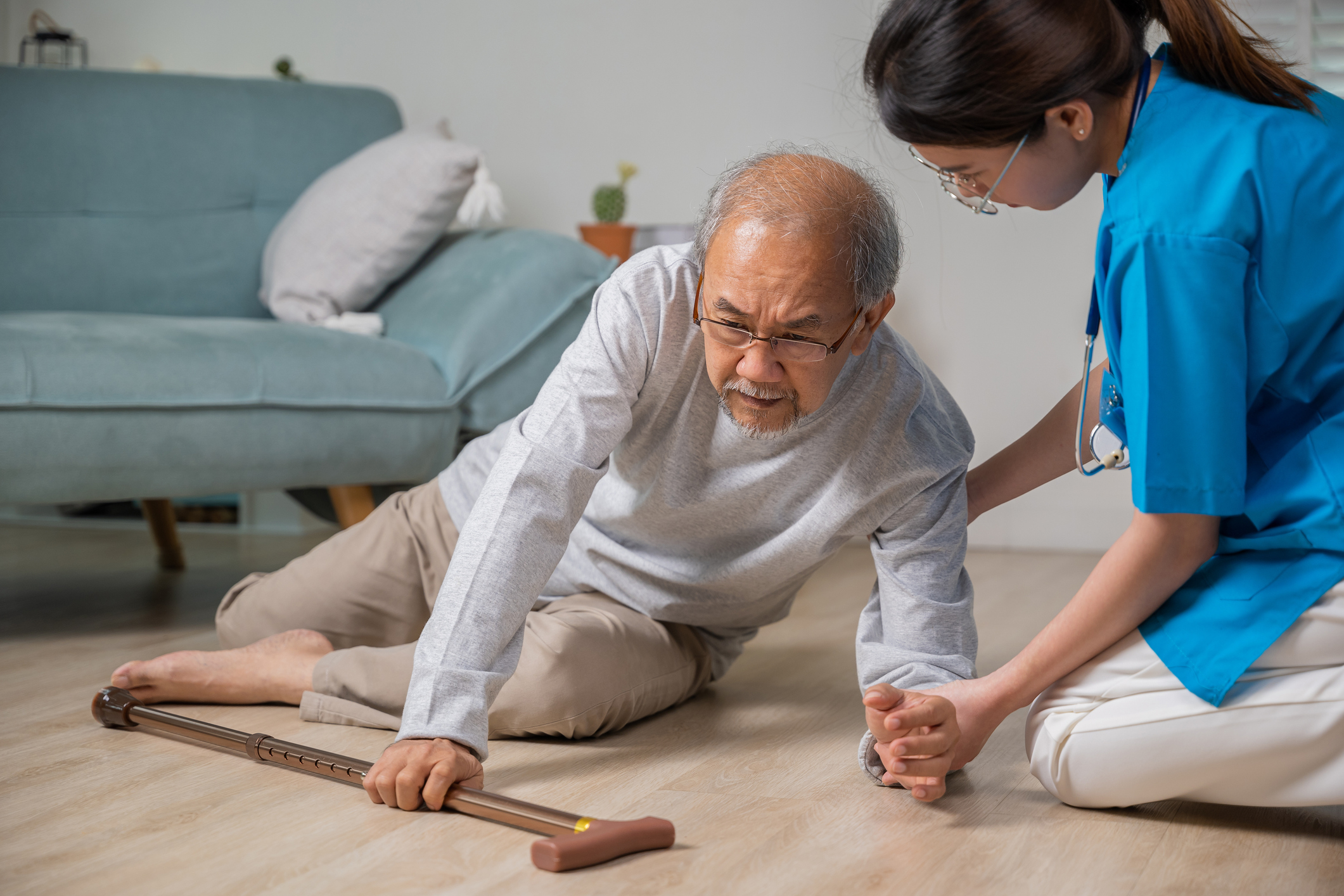
Falls are a major health risk for older adults in long-term care. Prevention is critical, but not always possible for seniors with frailty, limited mobility or cognitive impairment.
Fall safety strategies now focus on both prevention and reducing injury severity when falls occur.
In nursing homes and assisted living facilities, falls persist despite prevention efforts. Many residents have conditions that affect balance, such as muscle weakness, vision changes, medication side effects and dementia. “Even with attentive care and environmental changes, some falls are unavoidable,” said Richard Stefanacci, D.O., M.G.H., M.B.A., A.G.S.F., C.M.D., medical director at Inspira Living Independently for Elders (LIFE) program. “Senior safety now emphasizes protecting against harm when falls occur, not just trying to eliminate them.”
Older adults in care often have complex needs that limit balance and strength recovery. Falls usually happen during routine activities like getting out of bed, walking to the bathroom or reaching for items. Fear of falling can lead seniors to restrict movement, which worsens weakness and increases risk over time.
Falls in seniors can cause hip fractures and head injuries, often resulting in loss of independence, extended hospital stays and reduced quality of life. Protecting the body during a fall is a key priority in senior care.
Injury mitigation strategies aim to reduce the impact of falls rather than prevent movement. Hip protectors and padded garments cushion the hips and lower fracture risk in side falls. Newer versions are lighter and more comfortable, encouraging ongoing use.
Impact-absorbing flooring is another way to reduce injury. These floors compress on impact, reducing force to hips and joints while allowing safe walking and wheelchair use. Low-profile beds, bedside mats and well-placed grab bars also help minimize injury during transfers and nighttime movement.
“No two seniors fall for the same reasons, which is why individualized fall planning is essential in long-term care,” said Dr. Stefanacci. “Care teams regularly assess mobility, cognition, medication effects and prior fall history to tailor safety strategies for each resident.”
This may include identifying high-risk times of day, adjusting room layouts or selecting specific protective tools based on where and how a resident is most likely to fall. Ongoing communication among nurses, therapists and caregivers helps ensure fall plans evolve as a resident’s health changes, creating a proactive approach that prioritizes both safety and quality of life.
Staying active matters at any age, and that’s true in long-term care. Overly restrictive measures, such as restraints or constant supervision, can actually do more harm than good by increasing frustration, weakening muscles and limiting confidence. A more balanced approach combines therapy, medication reviews, thoughtful room design and protective tools to keep seniors moving while lowering the risk of serious injury.
It’s common for families to worry that injury-reduction strategies mean giving up on fall prevention. In reality, the two go hand in hand. Strengthening exercises, vision checks and medication adjustments remain important, while added safeguards help address the real-world risks associated with aging and complex health needs.
“Falls can be frightening for seniors and their loved ones, especially after a serious injury,” said Dr. Stefanacci. “A care plan that combines prevention and protection reframes safety not as limiting freedom, but as preserving comfort, confidence and independence.”
When making long-term care decisions, it is important for families to ask about both fall prevention and injury-reduction strategies. Together, these emphasize a realistic, person-centered approach: While falls may occur, families can take steps to help reduce the likelihood of serious injury.
Alzheimer’s disease is often misunderstood, and new research continues to expand what we know about...

Recognize when aging parents may need extra help and how professional support enables seniors to...

UTIs in older adults can trigger inflammation that mimics or worsens dementia symptoms, making...