


Parents' phone habits may influence how children experience connection, attention and emotional...
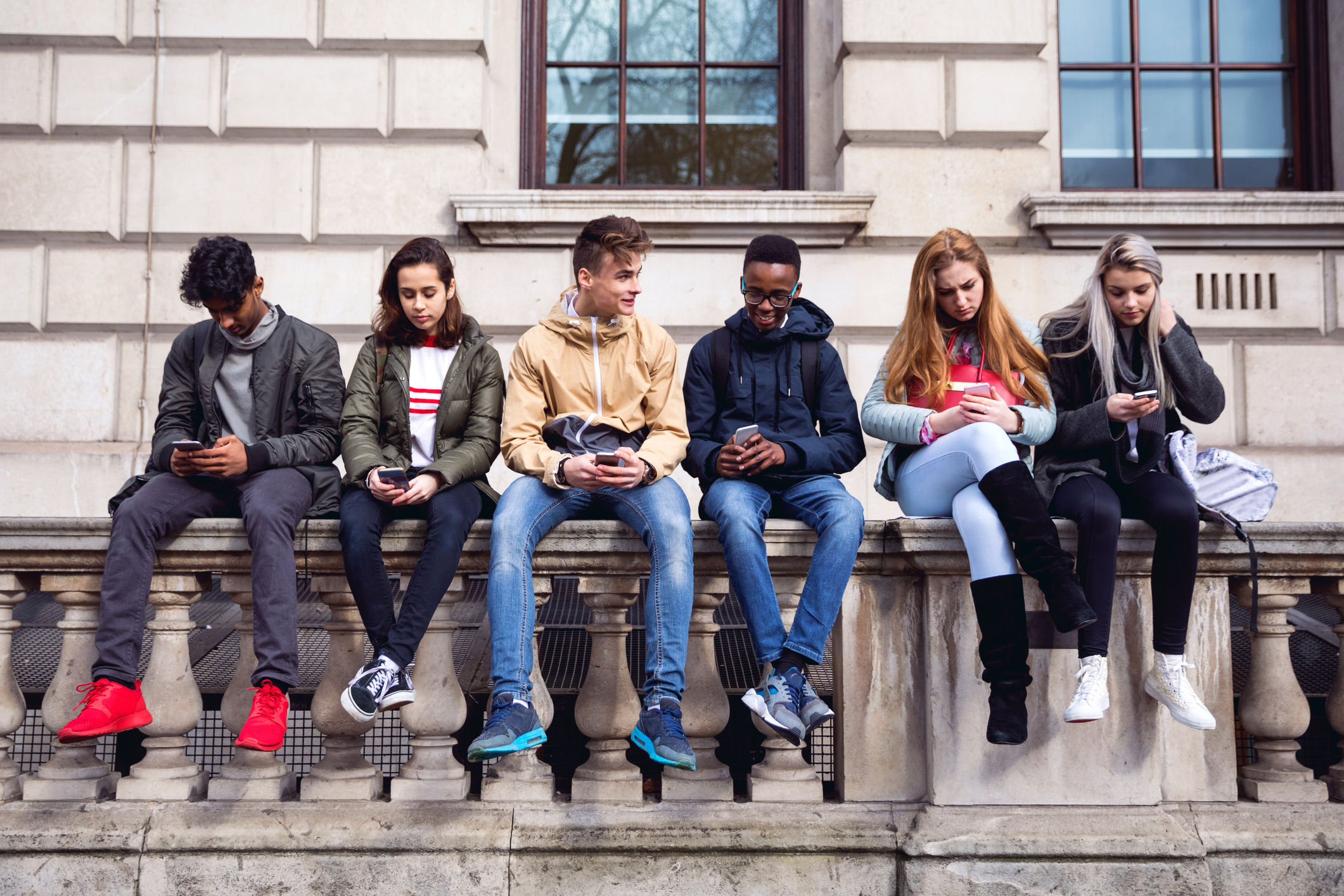
Smartphones have become an inevitable part of teens’ lives, offering connection, entertainment and information at all hours. But growing evidence suggests that constant access, especially during the school day, may come at a cost to students’ mental health, focus and social development.
As more schools move toward limiting student phone use, educators and health professionals are taking a closer look at how phone-free environments may support emotional well-being, learning and peer connection.
New Jersey recently joined a growing number of states adopting schoolwide cell phone restrictions. “Under new state requirements, public school districts in New Jersey must limit student use of cell phones and other internet-enabled devices during the school day, while allowing exceptions for emergencies, documented medical needs, translation services and approved educational purposes,” said Dr. Stephen Mateka, medical director of psychiatry at Inspira Health.
The shift reflects a concern shared by educators, families and clinicians: constant connectivity can increase distraction and anxiety, making it harder for students to engage and feel present.
Early experiences from schools that have already implemented phone-free policies suggest potential benefits, including improved classroom engagement and fewer disruptions during learning time.
For many adolescents, smartphones are closely tied to stress. Notifications from social media updates and group chats can create a sense of urgency and fear of missing out. This constant stimulation may interfere with attention, emotional regulation and the ability to be fully present.
“Heavy smartphone use is linked to increased anxiety, sleep disruptions and difficulty concentrating: factors that can affect both academic performance and mental health,” said Dr. Mateka. “For students already navigating academic pressure, social dynamics and developmental changes, removing phones during the school day may offer a mental break.”
Limiting access to smart devices during school hours can create space for students to engage more fully with their surroundings. Without the pull of a screen, students may be more likely to participate in class and interact with their peers, offering opportunities to practice social skills essential to emotional development.
Cell phone bans are not without challenges. Some students rely on their phones for communication, accessibility needs or emotional reassurance, especially those managing learning differences or medical conditions.
Families may also worry about reaching their child during the school day, which is why most school policies include clear exceptions for emergencies and health-related needs, ensuring students can still contact caregivers through school channels when necessary.
Clear communication between schools, families and students is vital to making these policies effective and supportive.
“While limiting phone use at school is one factor, mental health support doesn’t stop there,” said Dr. Mateka. “Families can reinforce healthy digital habits by encouraging screen-free time at home, promoting in-person social activities and modeling balanced technology use.”
If a child shows signs of anxiety, mood changes, sleep problems or withdrawal, a behavioral health specialist or pediatrician can help assess whether screen use or other factors may be contributing.
Smartphone and device restrictions help schools create boundaries that support focus, connection and well-being. For many students, a phone-free school day may offer a chance to reset and engage more deeply.
As schools adapt to these changes, ongoing collaboration among educators, families and health professionals can help ensure that policies support both learning and mental health, keeping student well-being at the center of the conversation.
Learn more about behavioral and mental health services at Inspira.

Parents' phone habits may influence how children experience connection, attention and emotional...

Stress and anxiety can cause physical symptoms, including a racing heart, stomach discomfort...

A Bridgeton mother shares how Inspira Health’s Perinatal Mental Health Services helped her through...