


Mouth taping is a practice that promotes nasal breathing during sleep, which may improve sleep...
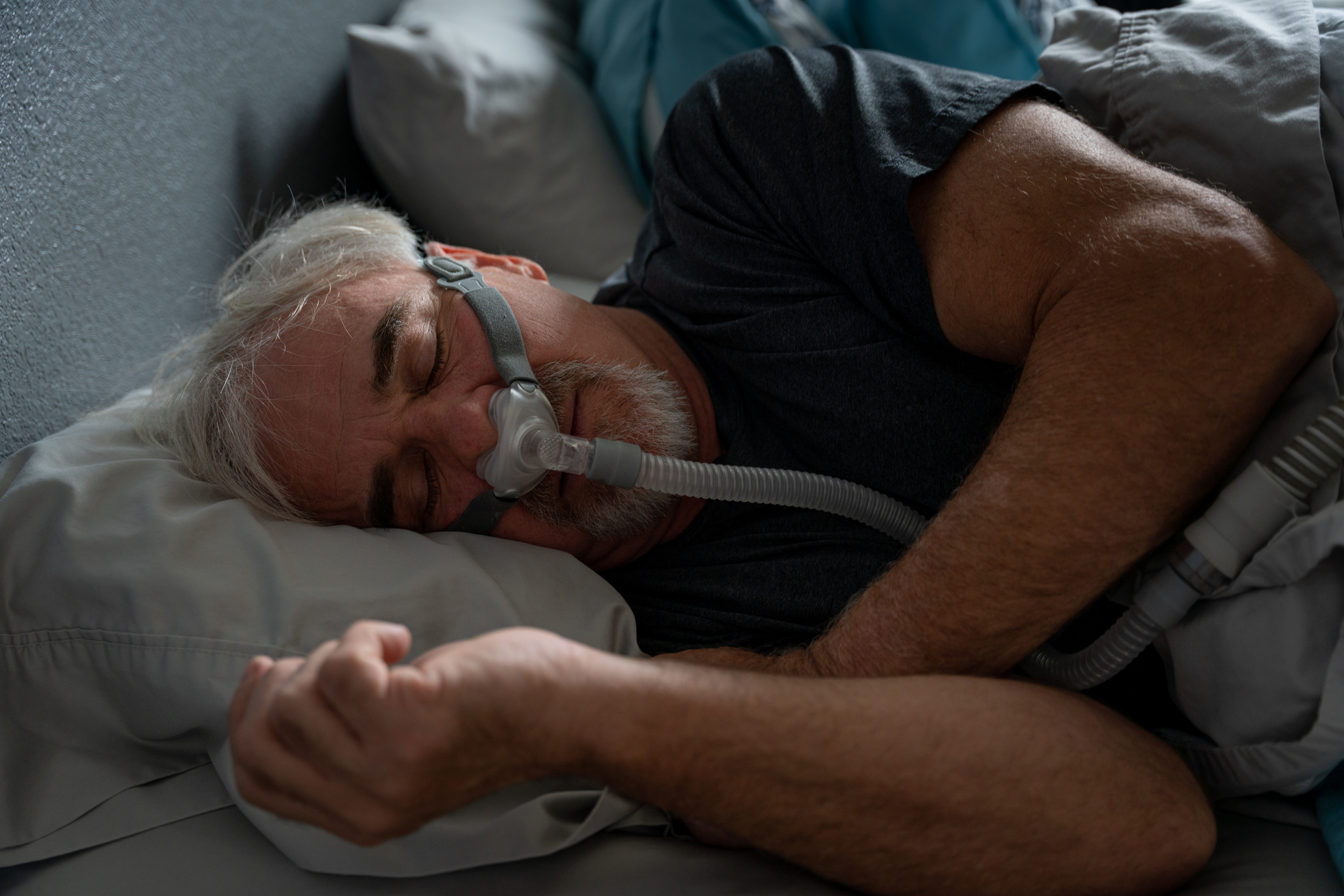
Sleep apnea, a common sleep disorder characterized by interruptions in breathing during sleep, affects millions worldwide. As temperatures dip in the winter, you might be curious if seasonal change impacts the severity of sleep apnea symptoms. While the relationship between sleep apnea and winter is nuanced and varies from person to person, several factors can worsen symptoms in colder months.
“Cold air tends to be dry, and this lack of humidity can lead to irritation and dryness in the airways,” said Bryan Ferroni, D.O., a sleep specialist and pulmonologist at Inspira Medical Group Pulmonary. “Dry air can make breathing more challenging, potentially increasing snoring and worsening sleep apnea symptoms in susceptible individuals.”
The winter season is notorious for an uptick in respiratory infections, including the flu and colds. These infections can have a compounding effect on sleep apnea. For example, respiratory illnesses can cause inflammation and congestion in the airways, making it harder for individuals with sleep apnea to breathe comfortably during sleep.
The comfort of sleep is integral to managing sleep apnea symptoms. Winter's cold temperatures can pose challenges to maintaining a restful sleep environment. Some people find it difficult to sleep comfortably in cold weather, leading to disruptions in sleep patterns that can contribute to the severity of sleep apnea symptoms.
Winter often means decreased outdoor activities and increased sedentary behaviors, which can contribute to weight gain. “Weight gain is a known risk factor for sleep apnea,” said Dr. Ferroni. “As individuals put on extra pounds, the risk of developing or exacerbating sleep apnea symptoms rises. Being mindful of lifestyle choices is crucial, especially during winter.”
While these conditions contribute to why some individuals may experience worsened sleep apnea symptoms in the winter, it's essential to recognize that these observations are not universal. Every person's experience with sleep apnea is unique, and the impact of seasonal changes can vary widely.
“People with sleep apnea are encouraged to adhere to their prescribed treatment plans to mitigate the potential worsening of symptoms in the winter and all year round,” said EXPERT. “This may involve using continuous positive airway pressure (CPAP) devices, making lifestyle modifications and consulting your health care provider.”
Understanding the potential connections between seasonal changes and sleep apnea through the winter months can empower individuals to take proactive steps toward managing their sleep health. Whether addressing the impact of dry air, staying vigilant against respiratory infections, optimizing sleep environments or maintaining a healthy lifestyle, individuals can make informed choices to minimize the impact of sleep apnea, ensuring a more restful and rejuvenating sleep, even in the chilliest of seasons.
Inspira Health is a high reliability organization (HRO), which means safety is the top priority for patients and staff. To make an appointment, call 1-800-INSPIRA.

Mouth taping is a practice that promotes nasal breathing during sleep, which may improve sleep...

Waking up in the middle of the night can be frustrating, but picking up your phone or trying to...

Hurkle-durkle refers to the cozy, mindful act of unwinding before bed, focusing on relaxation and...