


THC edibles can look like candy, making accidental ingestion a growing concern for families. Learn...
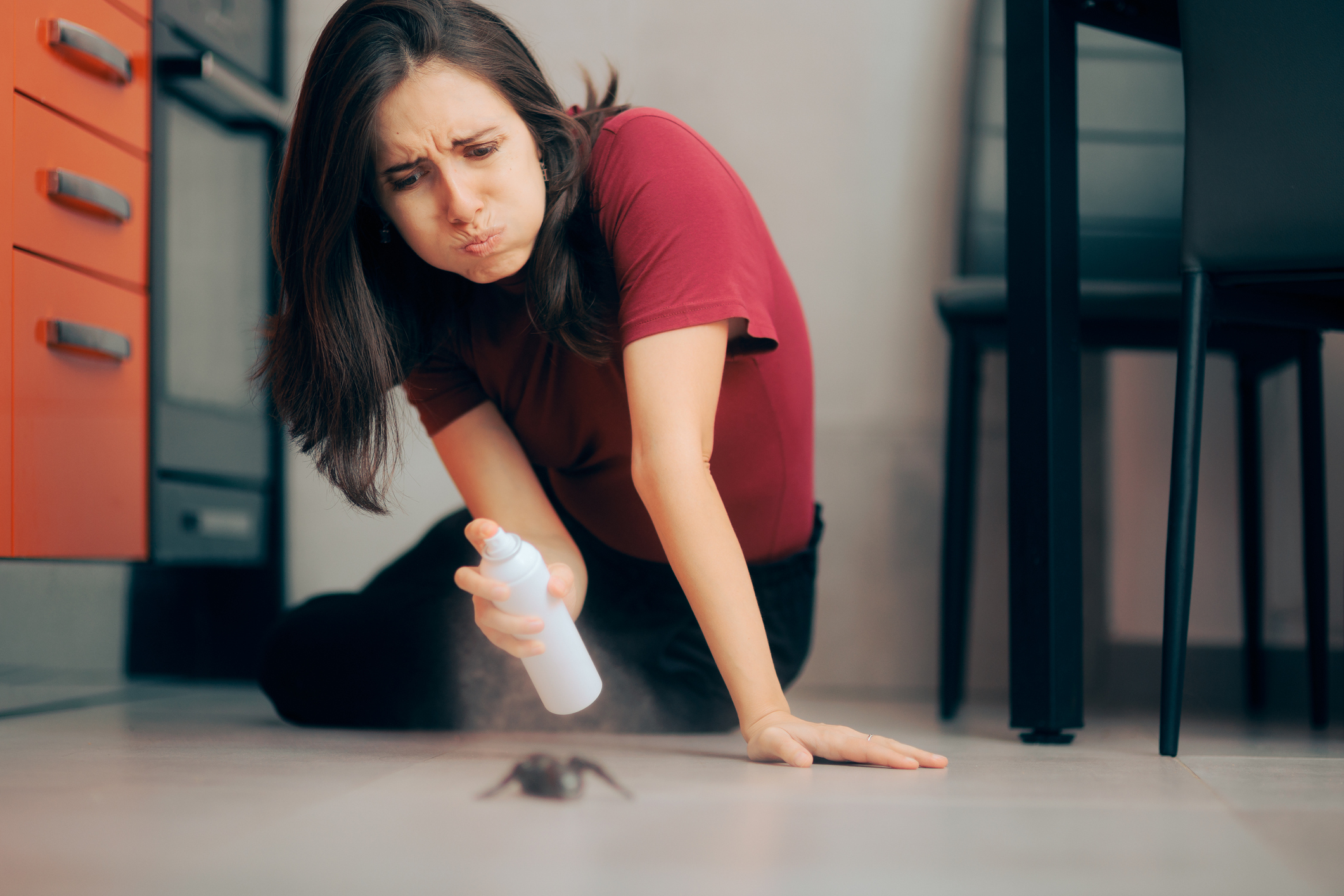
From mosquitoes to spiders, bugs have a way of grabbing our attention—and sometimes our ankles. But while some creepy crawlers can cause real health problems, most are more annoying than dangerous.
Knowing which bugs to watch out for (and what to do if one bites or stings) can help you stay safe and avoid unnecessary worry.
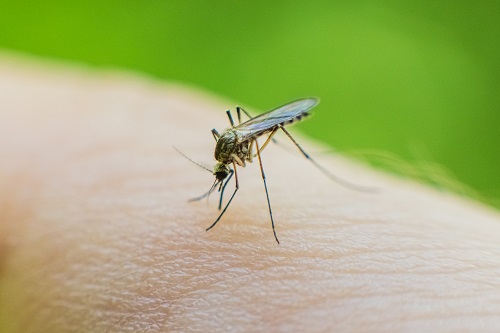
They may seem harmless, but mosquitoes are among the most dangerous insects in the world. “In the United States, they can transmit illnesses like West Nile virus and, in rare cases, eastern equine encephalitis (EEE), a rare but serious infection that causes inflammation of the brain and can lead to severe complications,” said Vakula Atthota, M.D., Chair of the Inspira Health Infection Prevention Committee. “Most bites cause only itching and mild swelling, but preventing bites is key to reducing the risk.”
To stay safe, use insect repellent with diethyltoluamide (DEET) or picaridin, wear long sleeves outdoors at dusk and remove standing water around your home, where mosquitoes breed. DEET and picaridin are both considered safe and effective when used as directed, even for children and pregnant people.
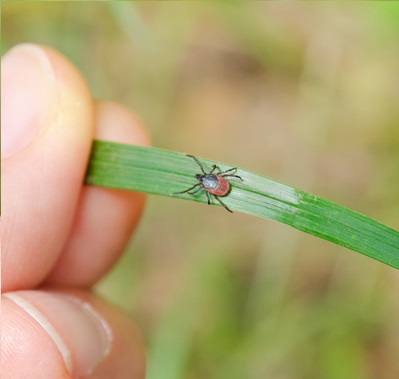
Ticks don’t fly or jump; they wait on tall grass or brush to grab onto you or your pet as you pass by. “Certain species, such as deer ticks, can transmit Lyme disease; anaplasmosis, a bacterial infection that causes flu-like symptoms; or babesiosis, a condition that affects the red blood cells,” said Dr. Atthota. Other tick species can spread other infections. Symptoms of any tick-borne illness can include rash, fever, fatigue and joint pain.
Check yourself and your pets after spending time outdoors, especially in wooded or grassy areas. Remove ticks promptly with tweezers and contact your doctor if you develop a rash or flu-like symptoms.
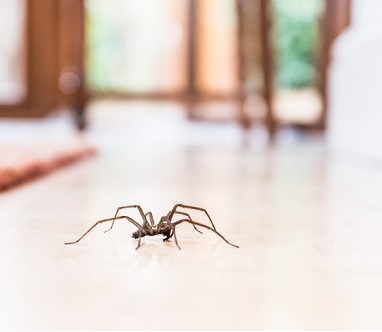
Most spiders you see at home are harmless, despite their bad reputation. Only a few in the U.S., such as the black widow and brown recluse, have venom strong enough to cause serious reactions. Even then, bites are rare and often happen when a spider feels trapped or threatened.
Shake out shoes and clothing before wearing them, especially if stored in basements or garages. If you suspect a venomous spider bite, clean the area, apply ice and seek medical care if the pain, redness or blistering spreads.
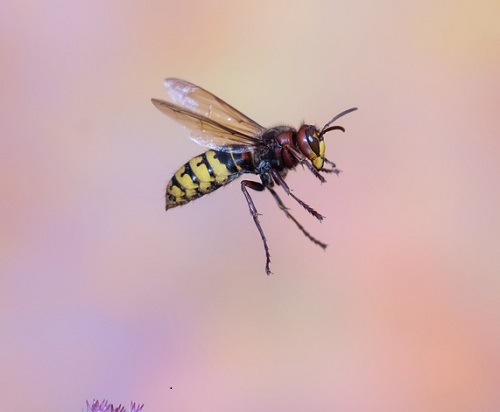
Stings from flying insects like bees, hornets and yellow jackets are common in warmer months. For most people, they cause brief pain and swelling. However, those with allergies can experience severe reactions, including difficulty breathing or swelling of the face and throat—signs of anaphylaxis, which requires emergency care.
To keep these insects away, avoid wearing floral scents or bright clothing when outside and keep food and drinks covered during picnics. If you have a known allergy, carry an epinephrine auto-injector and let others know how to use it.
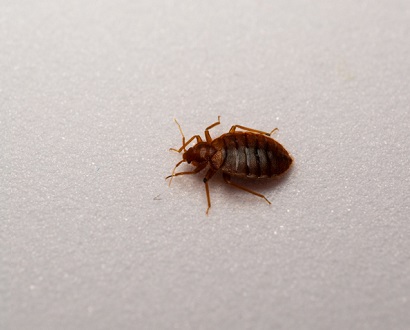
Fleas and bedbugs might make you itch, but they rarely cause serious illness in the U.S. Fleas can transmit disease to pets and occasionally humans including flea-borne typhus, while bedbugs are mostly just a nuisance. Both can trigger allergic reactions or skin irritation from scratching.
Keep your pets on flea prevention medication, wash your bedding regularly and inspect hotel rooms or furniture for signs of bedbugs before use.
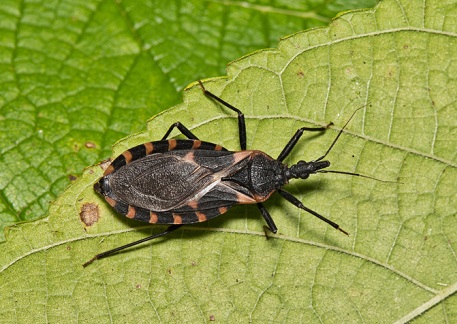
Though uncommon in New Jersey, triatomine bugs, known as kissing bugs, can carry parasites that cause Chagas disease, an infection that can lead to heart or digestive problems if left untreated. Most bites occur at night and appear on the face. While rare, awareness is important for those traveling to or living in the southern U.S., where these insects are found.
To keep yourself and your loved ones safe, use screens and bed nets when camping or traveling and call your doctor if you notice flu-like symptoms after a suspected bite.
Most bugs you encounter are harmless, but a few can cause real problems. “By knowing which insects to watch for, using preventive measures and treating bites and stings properly, you can avoid complications and enjoy the outdoors with confidence,” said Dr. Atthota. “If a bite or sting becomes red, swollen, painful or infected, or if you notice a fever or rash, visit an urgent care center for timely evaluation and peace of mind.”

THC edibles can look like candy, making accidental ingestion a growing concern for families. Learn...

Although cannabis is now legal in New Jersey, consuming too much or mixing it with other substances...

Tailgates, concerts and sporting events bring excitement, but they can also pose real safety risks...