



Inspira Medical Center Mullica Hill and Inspira Medical Center Vineland have earned the American...
You might be familiar with the symptoms of a heart attack, but what about a brain attack?

More commonly known as a stroke, these incidents happen when a blood clot or blockage prevents blood from reaching the brain, resulting in a lack of oxygen and loss of brain activity.
If not caught quickly, strokes can lead to permanent brain damage or death. In fact, strokes are one of the top five causes of death and disability in the United States annually. However, positive outcomes are possible with prompt treatment.
When someone is experiencing a stroke, time is of the essence. Seconds matter for effective treatment and maximizing the chance for a full recovery, and knowing the signs of a stroke often means a faster response time.
If someone you know is at an increased risk of stroke or you suspect they have just experienced one, remember FAST: face, arms, speech and time.
Other symptoms of stroke include sudden, unexplained headache, blurred vision, confusion, numbness on one side of the body, dizziness and difficulty moving or communicating.
After calling 9-1-1, it’s important to stay with the person and ensure that they continue breathing. If they are conscious, provide a comforting presence and be sure to keep them from moving, drinking or eating until emergency personnel arrive.
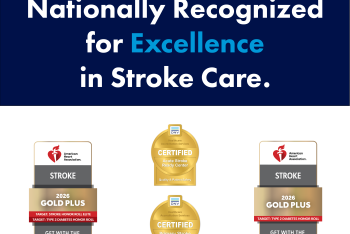
Inspira Medical Center Mullica Hill and Inspira Medical Center Vineland have earned the American...

Cooper and Inspira Neuroscience: Exclusive Tour of New Neuro ICU for Advanced Brain & Stroke Care

What becomes of a broken heart? As is turns out, a serious—but temporary—health issue.