


What becomes of a broken heart? As is turns out, a serious—but temporary—health issue.
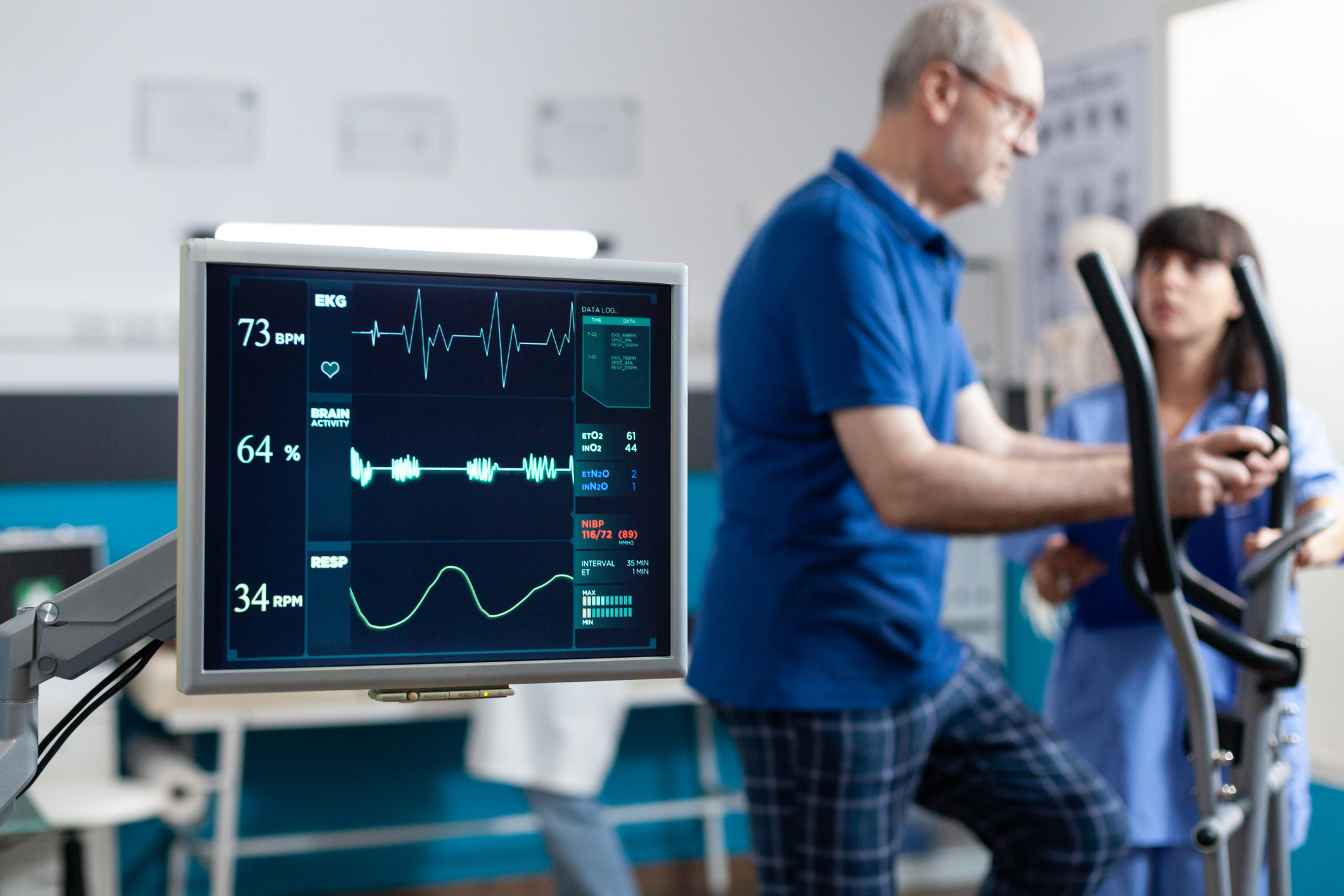
“Cardiac rehabilitation is a medically supervised program that helps individuals rebuild strength, improve their heart health and lower the risk of future heart problems,” said Steven Cohn, MD, Medical Director of Inspira Cardiac and Pulmonary Rehab Vineland and Elmer.
Cardiac rehab involves a personalized plan to help you recover safely after a heart issue like a heart attack, stent, angioplasty, valve replacement or bypass surgery. Each program typically includes three components:
Cardiac rehab brings together a multidisciplinary team, including doctors, nurses, clinical exercise physiologists, respiratory therapists and dietitians. These professionals monitor your progress, track vital signs and adjust your program as you improve.
“Patients often find reassurance in knowing that their exercise is closely monitored by a team of specialists for safety, especially during the early stages of recovery,” said Dr. Cohn. “The team also provides tools to help you manage your health independently after the program ends.”
Research indicates that completing cardiac rehabilitation leads to improved outcomes. Participants often experience:
Studies have found that individuals who complete cardiac rehabilitation are significantly less likely to experience another cardiac event than those who do not complete their program.
You may qualify for cardiac rehab if you’ve had:
Your cardiologist or primary care provider can decide if cardiac rehab is right for you and provide a referral.
Most programs include supervised exercise sessions that use treadmills, stationary bikes, recumbent steppers and resistance training equipment. Warm-ups and cooldowns are built in to ensure safe exercise and recovery. In Cardiac Rehab, you’ll improve your conditioning and learn about heart-healthy eating, medication management and ways to handle stress more effectively.
“It’s incredible to see patients regain their strength, confidence, and quality of life. Our comprehensive approach of blending exercise, education, and support truly helps them build lasting heart health,” said Thomas Moccia, DO, Medical Director of Inspira Cardiac and Pulmonary Rehab Mullica Hill and Deptford.
Cardiac rehab is about more than exercise; it’s rebuilding your confidence and taking charge of your health. With support, education and encouragement, you can regain strength and enjoy a more active life after a heart event.
If you’ve recently had a heart issue, ask your doctor about enrolling in cardiac rehab to support a stronger recovery.
Learn more about cardiology and heart health at Cooper and Inspira Cardiac Care.

What becomes of a broken heart? As is turns out, a serious—but temporary—health issue.
White coat hypertension is when blood pressure rises only during medical visits due to stress or...

Center-based cardiac rehabilitation offers uninterrupted monitoring, an interdisciplinary care team...