


Not all tick bites cause Lyme disease, but it’s better to be safe than sorry. Lyme disease is...
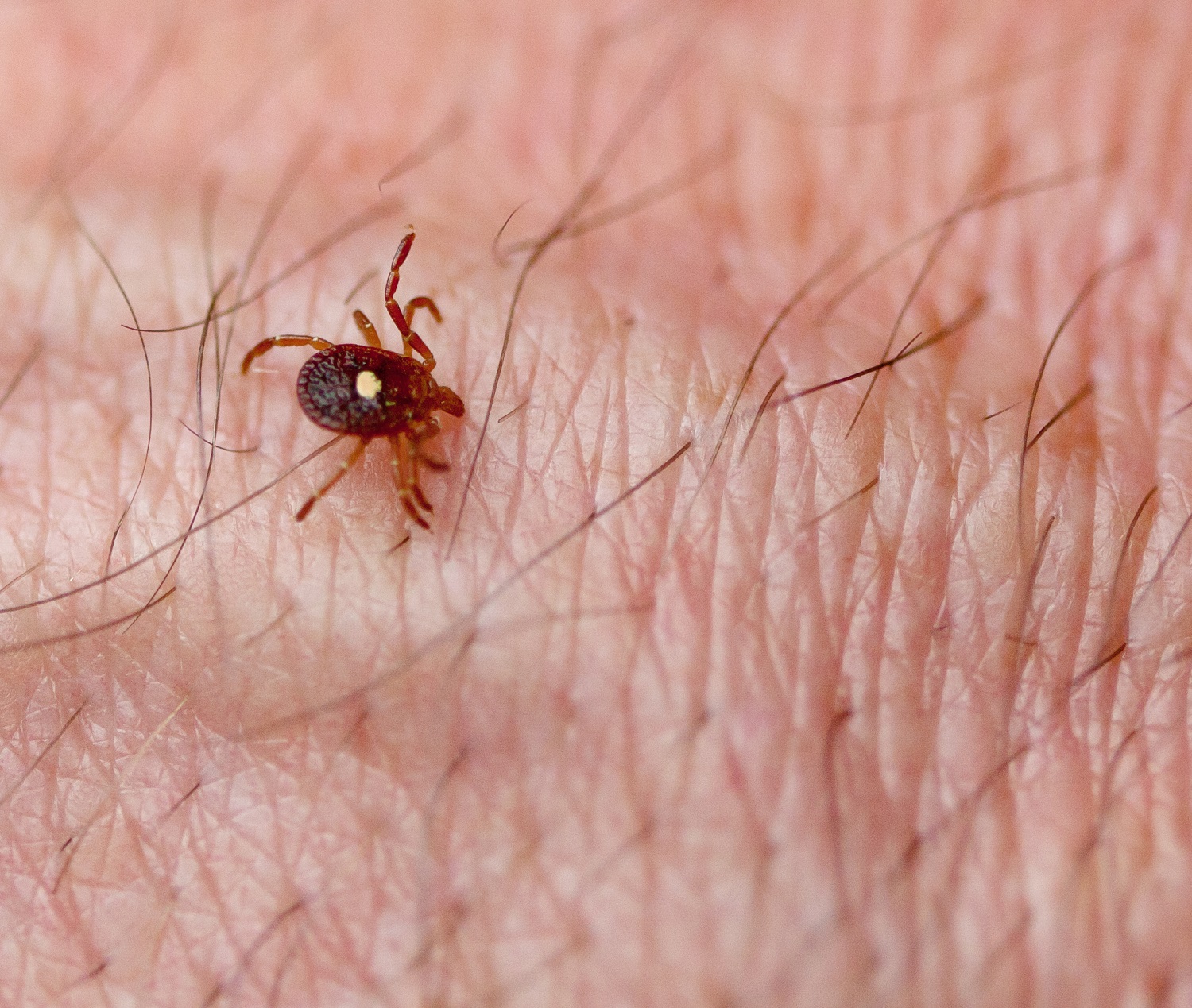
From a vigorous hike to a quick walk through the yard, any time outdoors can mean a run-in with a lone star tick. Here’s what to know about the allergy its bite can cause, including the symptoms to watch for, how it’s diagnosed and how to protect yourself and your family.
A tick bite is unpleasant enough, from the creepy-crawly factor to the hassle of removing the tick. But for some people, it can also lead to an allergy to red meat.
Alpha-gal syndrome is a serious, potentially life-threatening tick-borne allergy. It’s triggered by alpha-gal, a sugar found in most mammals, such as cows, pigs, sheep and deer, but not in humans. In the U.S., it’s primarily traced to the bite of the lone star tick, which can transfer alpha-gal into the bloodstream and cause the immune system to react.
“If a tick introduces the alpha-gal into your blood, your body can learn to treat it as an enemy,” said Craig Bober, D.O., a primary care physician with Inspira Health. “That doesn’t happen to everyone who’s bitten, and it’s not yet clear why. But for people who do develop the allergy, exposure to the same sugar in beef, pork, lamb or venison can trigger a reaction.”
The New Jersey Department of Health began tracking alpha-gal syndrome in 2022 and found 234 cases. That number more than doubled to 492 cases in 2025, with some of the highest counts in South Jersey counties such as Atlantic, Cumberland and Burlington.
Because reporting is voluntary and testing is increasing, the numbers likely undercount cases, and some of the rise may reflect better detection. Even so, this trend is worth watching.
Alpha-gal syndrome symptoms can be difficult to track because they may take weeks to months to appear after a tick bite. Additionally, reactions to red meat or dairy usually begin two to six hours after eating, so it’s easy to miss the connection to a meal.
“Symptoms can include hives, an itchy rash, nausea, vomiting, stomach pain, heartburn, diarrhea, dizziness and in severe cases, swelling of the throat, tongue or lips, trouble breathing or a drop in blood pressure (anaphylaxis),” said Dr. Bober. “Reactions can vary from one exposure to the next, and people may not respond to every product that contains alpha-gal. Beyond food, products made with animal-derived ingredients, such as gelatin-coated medications, can also trigger symptoms.”
Call 9-1-1 if you have trouble breathing, experience throat swelling or feel faint.
A primary care provider or allergist can diagnose alpha-gal syndrome through a physical exam, a detailed medical history review and a blood test for alpha-gal antibodies. The provider may also recommend skin testing for reactions to pork and beef.
“Management starts with avoiding mammal meat, and some patients also need to avoid dairy, gelatin and certain medications,” said Dr. Bober. “People can adapt to the allergy, with plenty of safe foods like poultry, fish and plant-based proteins remaining available for their diet.”
The best protection is avoiding tick bites with steps like:
For full prevention details, read “Why Are Lone Star (White Dot) Ticks So Dangerous?”
Alpha-gal syndrome is manageable, and many tick bites don’t lead to it. However, if you’ve had a tick bite recently and notice hives, stomach trouble or other symptoms hours after eating meat, see a primary care provider or allergist.
Read more articles from Inspira about local health concerns and news.
Not all tick bites cause Lyme disease, but it’s better to be safe than sorry. Lyme disease is...

Learn how to identify deer ticks and the telltale bull’s-eye rash of Lyme disease, discover safe...

Asian longhorned ticks are an invasive species that pose health risks to humans and animals...