


Proper care after getting stitches can help wounds heal, reduce infection risk and minimize scarring...
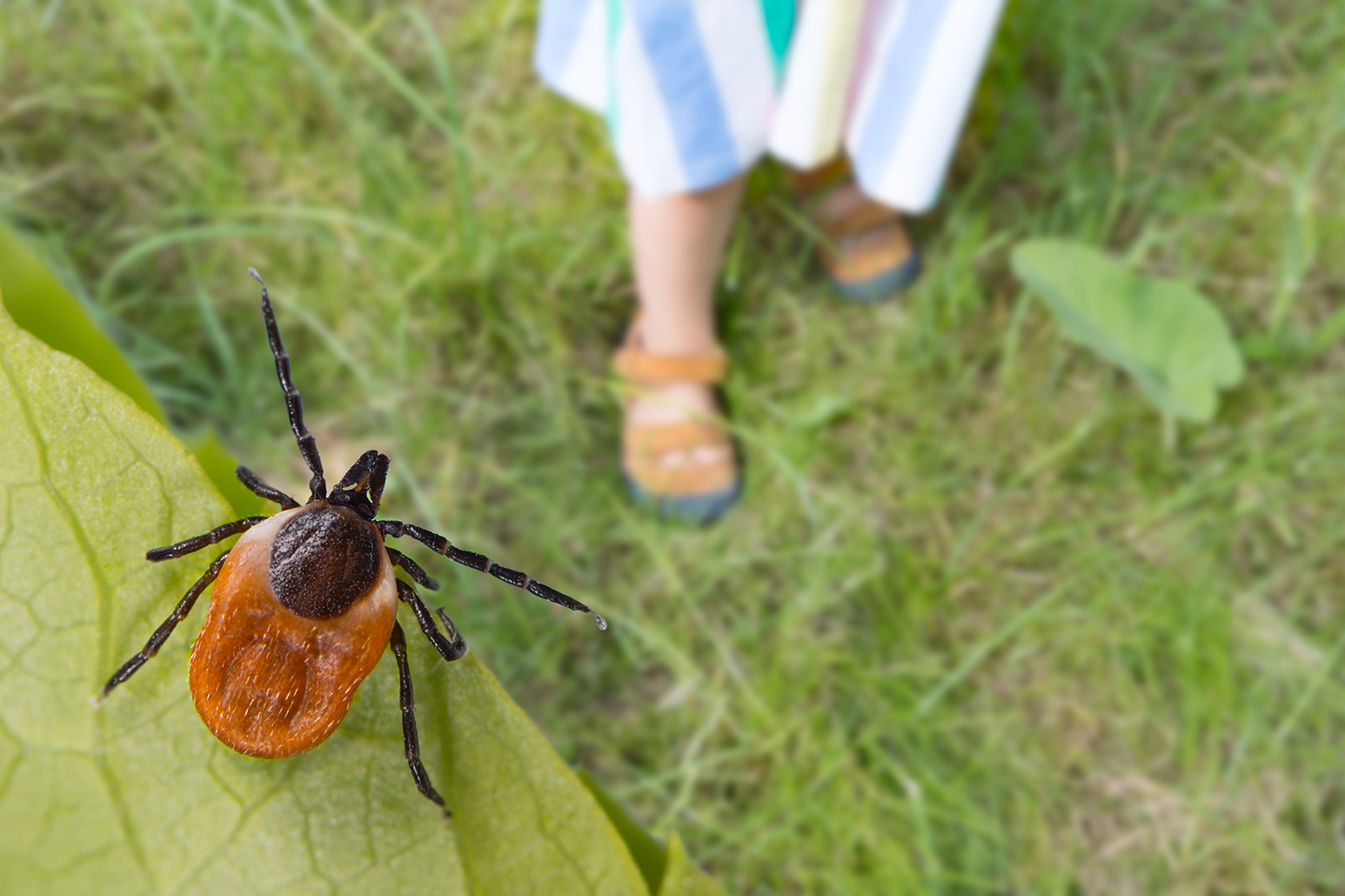
Weekly ER visits for tick bites in the Northeast are at their highest level for this time of year since 2017, according to new CDC data—a reminder of why tick-prevention habits matter.
If you’re an outdoor enthusiast, you’re probably familiar with the post-adventure-check-for-ticks routine. Although it’s a customary practice for walkers, bikers, hikers and nature lovers, it’s important to remember why: The risk of Lyme disease transmission increases after the tick has been attached for 36 hours or longer.
“Lyme disease is caused by the bacterium Borrelia burgdorferi, which is transmitted to humans through tick bites,” said Vakula Atthota, M.D., director of infection prevention at Inspira Health.
Not all tick bites lead to Lyme disease; however, deer ticks are known carriers of Lyme disease bacteria. Early diagnosis and treatment of Lyme disease can prevent late and sometimes debilitating complications.
This season is shaping up to be a busy one. “The CDC reports weekly emergency room visits for tick bites across the Northeast are the highest for this time of year since 2017, and New Jersey ranks among the country's top states for Lyme disease cases,” said Dr. Atthota.
If you are the victim of a recent tick bite, do not panic. In general, a tick needs to be attached for 24 hours before it can transmit Lyme disease, and your risk grows the longer it stays on. “If you find a loose tick on your skin or clothing, scan your body once more to make sure no more ticks are hiding,” said Dr. Atthota.
Early signs and symptoms of Lyme disease appear 3-30 days after the initial tick bite and can include a rash and/or flu-like symptoms. “The rash at the site of the bite is usually red or purplish and gradually enlarges over a few days,” said Dr. Atthota. “It can resemble a target with a clear center, but not everyone develops this classic bulls-eye rash. Many rashes are solid red and expanding, so don’t wait for a target shape to seek care.”
Some symptoms appear many weeks after the tick bite and can include joint pain involving one or more joints. Rarely, headaches, meningitis and an irregular heartbeat can occur. Early diagnosis and prompt treatment can prevent these complications.
Unfortunately, there is no perfect lab test for diagnosing Lyme disease. “Diagnosis is based on symptoms, tick exposure history and laboratory tests,” said Dr. Atthota. “Most lab tests are designed to detect antibodies the body produces in response to the Lyme disease bacteria.”
If you’re concerned about a tick bite, talk to your doctor as soon as possible to get tested and start treatment. In some cases, such as a deer tick attached for 36 hours or more in a region where Lyme disease is common, your doctor may suggest a single preventive antibiotic dose within 72 hours of the bite. People treated for early disease typically recover quickly.
If you saved the tick, you can also submit a photo for identification and pathogen testing. Results take a few weeks, so don't wait to see your doctor if you're having symptoms. When you get the results, it can help you know if there are any symptoms to watch for.
There is no way to completely prevent Lyme disease; however, there are several ways to reduce your risk.
“When you go outside, wear long pants and long-sleeved shirts, keep your hair contained or wear a hat and use EPA-registered insect repellent for ticks,” said Dr. Atthota. Treating clothing and gear with 0.5 percent permethrin or buying pre-treated clothing adds another layer of protection through several washings.
Upon your return, shower within two hours and check your clothing and body for ticks. Ticks like to hide in your hair, around the ears, under the arms, around the waist, behind the knees and between and around the legs. Tumble dry clothes on high heat for 10 minutes to kill any hitchhikers.
“If you find a tick lodged in your skin, use fine-tipped tweezers to grasp it as close to the skin’s surface as possible. Pull upward with steady, even pressure without twisting or jerking. Then, clean the area with soap and water,” said Dr. Atthota.
Other preventive measures include:
A little preparation goes a long way. With the right habits, you can enjoy the outdoors and keep ticks from cutting your adventure short.

Proper care after getting stitches can help wounds heal, reduce infection risk and minimize scarring...

Inspira Health has been recognized at both the state and national levels for excellence in...

Medical dramas are packed with rare illnesses, instant diagnoses and high-stakes heroics, but actual...