


What becomes of a broken heart? As is turns out, a serious—but temporary—health issue.

If you or someone you love has recently had a heart attack, heart surgery or another cardiac event, your care team has likely recommended cardiac rehabilitation.
Cardiac rehab is a structured program designed to help your heart heal, rebuild your strength and reduce the chance of future complications. “You may have heard that some programs offer rehab at home, but before you decide, it's worth understanding what center-based care offers that home programs simply cannot,” said Thomas Moccia, DO, FACC, clinical cardiologist, a member provider of Cooper and Inspira Cardiac Care. Here’s why center-based cardiac rehab delivers a higher level of care.
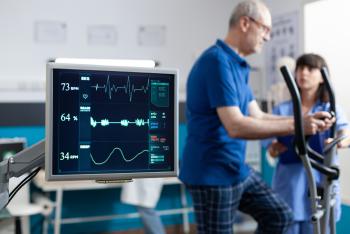
In a center-based program, clinicians monitor your heart before, during and after every session using continuous ECG technology. This means your care team can recognize subtle changes—like an irregular heartbeat or an abnormal blood pressure response—in real time. At home, those warning signs can go unnoticed, even with wearable devices designed to track your vitals.
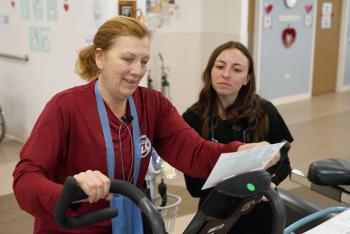
Center-based cardiac rehab is about far more than exercise. “At Inspira, your program involves registered nurses, clinical exercise physiologists, respiratory therapists and registered dietitians working as a team,” said Dr. Moccia. “Each specialist brings their expertise to your recovery, ensuring every aspect of your health is considered and coordinated.”
The chance of a serious cardiac event during rehab is low, but it's not zero. In a supervised facility, trained staff are always on-site and have immediate access to defibrillators, oxygen and crisis protocols. At home, any emergency response depends on the patient quickly identifying symptoms, being able to call for help and having someone else present. That gap in response time can matter enormously.
Recovery is not one-size-fits-all. In a center-based program, your care team can evaluate how your body responds at each session and adjust your plan on the spot. “They can modify intensity, change exercises and treat new symptoms right away,” said Dr. Moccia. “This level of real-time, customized guidance is something a remote or app-based program cannot mimic.”
Recovering from a cardiac event can feel lonely. One of the most meaningful benefits of center-based rehab is the community it creates. Exercising alongside others on the same journey fosters encouragement, connection and accountability—all of which help patients stay consistent, and consistency directly improves outcomes.
Center-based programs include formal education sessions led by cardiac rehab specialists. Topics cover heart-healthy nutrition, stress management, medication awareness and warning signs to watch for. This in-person education allows patients to ask questions, engage with their care team and leave each visit with a clearer picture of how to protect their hearts in the long term.
Choosing where to complete cardiac rehab is an important decision, and it's one worth making carefully. “While at-home options may seem like a practical choice, the clinical and safety advantages of a supervised, center-based program are meaningful, especially in the weeks and months immediately following a cardiac event,” said Dr. Moccia.
Inspira's cardiac rehabilitation programs are certified by the American Association of Cardiovascular and Pulmonary Rehabilitation (AACVPR) and meet nationally recognized standards for quality and evidence-based care. Talk to your doctor about whether center-based cardiac rehab is right for you.
Learn more about cardiac rehab here.

What becomes of a broken heart? As is turns out, a serious—but temporary—health issue.
What happens during your first cardiac rehab visit? Inspira Health CEO Amy Mansue steps inside...
Cardiac rehabilitation helps people recover safely and confidently after a heart attack, surgery or...