


White coat hypertension is when blood pressure rises only during medical visits due to stress or...


Heartbreak isn’t always just emotional. Learn how intense stress can temporarily weaken the heart and when to seek emergency care.
Valentine’s Day is often associated with romance and connection. But for some, it can also stir up intense emotions such as grief, heartbreak or overwhelming stress. What many people don’t realize is that powerful emotional or physical stress can sometimes affect the heart itself.
Sudden chest pain or shortness of breath after a stressful event may represent more than emotional distress. In some cases, it may be a condition known as stress cardiomyopathy, often called broken heart syndrome.
Stress cardiomyopathy is a temporary condition in which the heart muscle suddenly weakens, usually following a surge of stress hormones such as adrenaline.
These hormones stun the heart muscle, reducing its ability to pump effectively. The result can closely resemble a heart attack.
Symptoms often include:
“A stress-induced cardiomyopathy can look and feel very similar to a heart attack,” said Martin Scott Dawson, M.D., F.A.C.C. “That’s why it’s critical to seek emergency care if symptoms are sudden, severe or unexplained.”
Because symptoms may appear minutes to hours after a stressful event, distinguishing this condition from a true heart attack requires immediate medical evaluation.
While emotional heartbreak is a well-known trigger, broken heart syndrome can follow a wide range of stressors.
Emotional triggers may include:
Physical stressors may include:
In recent years, infections such as COVID-19 have also been associated with stress cardiomyopathy due to both physical strain and emotional stress.
Although the condition is temporary in most cases, complications can occur. These may include abnormal heart rhythms, fluid buildup in the lungs, low blood pressure, blood clots or, rarely, heart failure or shock. Prompt evaluation is essential.
Because symptoms closely mimic a heart attack, anyone experiencing chest pain or sudden shortness of breath should call 9-1-1 or seek emergency care immediately.
“To diagnose stress cardiomyopathy, we need to rule out blocked coronary arteries and need to often perform a comprehensive evaluation, including a diagnostic heart catheterization,” said Dr. Dawson.
Diagnostic testing may include:
These tests help determine whether coronary arteries are blocked or whether the heart muscle shows the characteristic pattern of stress-induced dysfunction.
Treatment and recovery
Most patients require short-term hospitalization for monitoring and supportive care.
Treatment may include medications that:
“In some cases, cardiac rehabilitation may be recommended to help patients regain strength and confidence in their heart health,” said Dr. Dawson.
The encouraging news is that most individuals recover fully within days to weeks. Recurrence is uncommon, though follow-up care remains important.
The relationship between emotional health and heart health is well established. Chronic stress can elevate blood pressure, increase inflammation and affect hormonal balance—all of which influence cardiovascular risk.
Managing stress can help protect emotional and cardiovascular well-being. Try incorporating:
If you experience chest pain, shortness of breath or other concerning symptoms, especially during or after a stressful event, don’t dismiss them. Your heart may be telling you it needs attention.
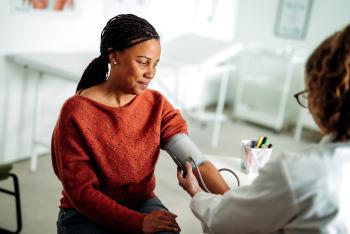
White coat hypertension is when blood pressure rises only during medical visits due to stress or...

Center-based cardiac rehabilitation offers uninterrupted monitoring, an interdisciplinary care team...
Respiratory syncytial virus (RSV) is a common respiratory infection that can be serious for infants...