


Kratom and kava are often marketed as natural wellness products, but both can cause side effects...

From headaches and muscle aches to menstrual cramps and minor injuries, over-the-counter (OTC) pain relievers can help control pain without a prescription. Here are four things to consider before choosing an OTC pain medication.
When choosing an OTC pain reliever, start by understanding the type of medication you are taking.
Helps relieve pain and reduce fever. It does not reduce inflammation, so it may be useful for headaches, toothaches, fever and general aches and pains. Use only as directed, and do not take more than one product containing acetaminophen at a time.
An NSAID that relieves pain, reduces fever and decreases inflammation. Its effects generally last longer than those of ibuprofen, so it is typically taken less frequently.
A non-steroidal anti-inflammatory drug (NSAID) that helps relieve pain, reduce fever and decrease inflammation. It may be helpful for muscle aches, minor injuries, joint pain and menstrual cramps.
“When choosing an over-the-counter pain reliever, it is important to consider what is causing the pain, as well as your other medications and health conditions. A pharmacist can help you determine which option may be safest for you,” said Edward Dix, Pharm.D., System Director of Pharmacy Services at Inspira Health.
Different pain relievers may work better in different situations.
Acetaminophen may help with headaches, fever and general aches and pains. Ibuprofen and naproxen may be particularly helpful when inflammation contributes to discomfort, such as with muscle aches, minor injuries, joint pain or menstrual cramps.
Naproxen and ibuprofen are similar medications, but they differ in how long their effects last. Naproxen generally lasts longer, while ibuprofen is typically taken more frequently.
No single OTC pain reliever is right for everyone. Your symptoms, health history and other medications can all affect which option is appropriate.
Before taking any OTC medication, read the “Drug Facts” label. Look for the active ingredient, recommended dose, directions and warnings.
“More medication does not necessarily mean more relief,” said Dix. “Taking too much of an OTC pain reliever can cause serious complications, even when the medication is available without a prescription.”
This is especially important with acetaminophen, which is found in many prescription and OTC medications. Most adults should not take more than 4,000 mg in 24 hours from all sources. People with liver disease or who regularly drink alcohol should check with a pharmacist or health care provider before use.
NSAIDs can cause stomach irritation, bleeding and kidney problems. They can also raise blood pressure and increase the risk of heart attack, stroke and heart failure, particularly with higher doses or longer use, and may interact with medications such as blood thinners.
“NSAIDs such as ibuprofen can be particularly helpful when inflammation is contributing to your pain, but they aren’t appropriate for everyone,” said Dix. “Your health history and other medications should be considered before you use them.”
Talk with a healthcare professional or pharmacist before using an OTC pain reliever if you have liver or kidney disease, a history of stomach ulcers or bleeding, take blood thinners, or regularly take other medications. If you are pregnant, ask a healthcare professional before using any pain reliever. NSAIDs such as ibuprofen and naproxen should generally be avoided beginning at about 20 weeks of pregnancy.
If pain continues, becomes severe or keeps coming back, an OTC medication may not address the underlying cause. Talk with your health care provider about persistent or unexplained pain.
When you are unsure which medication is right for you, your pharmacist can help you understand your options and identify potential medication interactions.
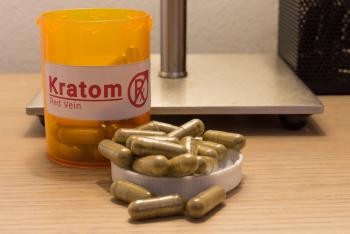
Kratom and kava are often marketed as natural wellness products, but both can cause side effects...

Explore top over‑the‑counter pharmacy picks and why understanding active ingredients and proper...

More than 100 South Jersey residents have filled over 300 prescriptions – free of charge – at two...