


OTC pain relievers can help manage common aches, pains and fever, but each medication works...
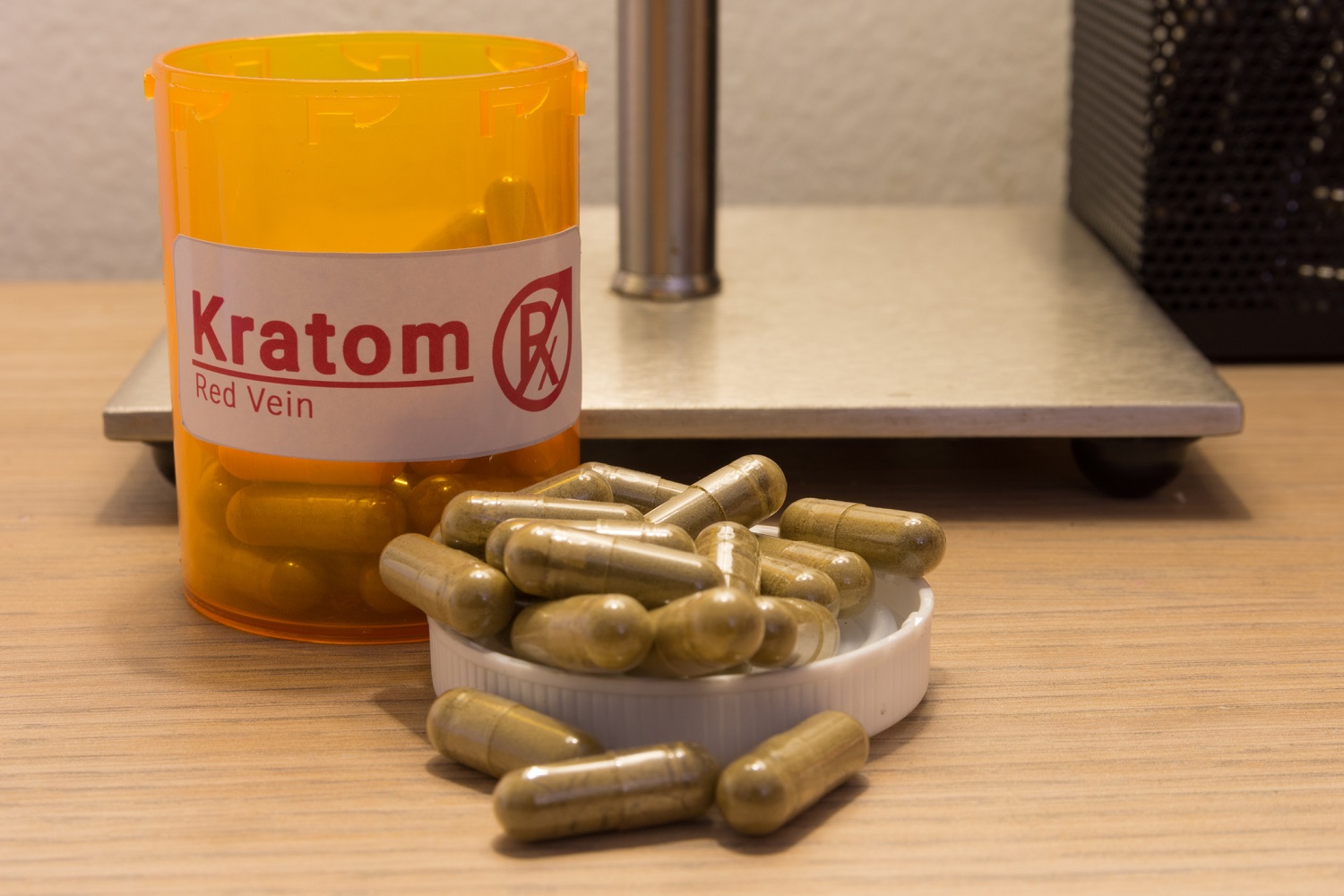
Kratom and kava are showing up in wellness shops, neighborhood bars, gas stations and ready-to-drink beverages. They are often marketed as natural ways to relax, socialize, boost energy or feel better, but their effects on the body are complex.
Here’s what to know about how kratom and kava work, why they have become so popular and what risks to consider before using them.
Kratom comes from the leaves of a tropical tree found in Southeast Asia. Its effects can vary depending on the amount used. At low doses, kratom may act as a stimulant, increasing energy and alertness. At higher doses, it can produce opioid-like effects, including pain relief, sedation and euphoria.
Kava comes from the root of a pepper plant found in the South Pacific islands. It’s known for its calming and sedative effects.
“Kratom and kava are widely available in the United States as teas, capsules, powders and ready-to-drink beverages,” said Nicole O’Toole, Pharm.D., M.T.M.C., emergency medicine clinical pharmacist at Inspira Medical Center Mullica Hill. “They’re often marketed as natural alternatives to alcohol or as wellness supplements, but the Food and Drug Administration (FDA) does not approve them for any medical use. Both carry real health risks.”
Kratom and kava are popular in part because they are increasingly easy to find and often marketed as harmless wellness products. Some people use them hoping to improve mood, ease anxiety, support relaxation or manage pain.
“Kava has become increasingly common around college campuses and in social settings as an alternative to alcoholic beverages,” said O’Toole. “But using kava in place of alcohol doesn’t mean it’s risk-free.”
Kratom and kava can cause different side effects.
Side effects of kava may include tremors, cognitive impairment and a skin condition called kava dermopathy, which can cause dry, scaly or discolored skin. Kava has also been linked to liver injury, especially when combined with alcohol or other substances that affect the liver.
Kratom side effects may include agitation, fast heart rate, drowsiness, hallucinations, seizures and confusion. In some cases, kratom use has also been associated with liver injury, adding to the concern about its safety, especially for people who use it regularly or take other medications.
“With regular use, kratom is associated with physical and psychological dependence,” said O’Toole. “Withdrawal symptoms are similar to opioid withdrawal and can include muscle aches and pain, trouble sleeping, runny nose, watery eyes, diarrhea, anxiety, irritability, restlessness and depression.”
Withdrawal symptoms may begin within 12 to 24 hours after the last dose. Physical dependence on kava is less common, but some people may still have difficulty stopping after regular use.
Kratom and kava can affect liver enzymes that help the body process medications. They may increase or decrease medication levels in the body, potentially causing dangerous side effects or reducing the effectiveness of prescribed medications.
Combining kava with alcohol can increase the risk of liver damage and excessive sedation. People taking opioids, benzodiazepines, sleep medications or other drugs that affect the central nervous system should be especially cautious.
Always tell your doctor and pharmacist if you use kratom or kava, especially if you take prescription medications.
Kratom and kava are often sold as dietary supplements, which means they do not go through the same safety, quality and effectiveness testing as prescription medications. Product content, potency and purity can vary from what is listed on the label.
“There is no reliable way to know exactly what’s in each product or how strong it is,” said O’Toole. “Some products marketed as kava have been found to contain kratom as well, which may not be clearly labeled.” This lack of consistency makes dosing difficult and increases the risk of unexpected side effects.
People should avoid kratom and kava, especially if they:
Seek immediate medical attention if you develop yellowing of the skin or eyes, difficulty breathing, seizures, loss of consciousness, rapid heart rate or severe abdominal pain after using kratom or kava.
If you are using these products to manage anxiety, pain, sleep issues or withdrawal symptoms, talk with your doctor. Safe, evidence-based treatment options are available.

OTC pain relievers can help manage common aches, pains and fever, but each medication works...

Explore top over‑the‑counter pharmacy picks and why understanding active ingredients and proper...

More than 100 South Jersey residents have filled over 300 prescriptions – free of charge – at two...