


OTC pain relievers can help manage common aches, pains and fever, but each medication works...

Choosing the right over-the-counter (OTC) medication can be confusing when every package claims to do the same thing, but pharmacists have insights into which treatments work best and what’s safest for common health concerns.
Learn which OTC medications pharmacists recommend most for everyday issues and tips on reading ingredient labels, knowing your dosage and avoiding unwanted side effects.
“Pharmacists understand which medications offer the best balance of safety and effectiveness and can help you navigate confusing packaging or ingredients,” said Adam Singh, Pharm.D., retail pharmacy manager at Inspira Medical Center Mullica Hill. “Your pharmacist can also identify interactions with other prescriptions.” A short conversation at the counter can save you time, money and discomfort—and best of all, it’s free.
Pharmacists often suggest ibuprofen or acetaminophen for mild to moderate pain. Ibuprofen, found in brands such as Advil and Motrin, is part of a class of medications called nonsteroidal anti-inflammatory drugs (NSAIDs), which are particularly effective in addressing inflammation-related pain, like muscle aches or joint soreness. Acetaminophen, the active ingredient in Tylenol, is the preferred treatment for headaches or general body pain. Your pharmacist can help determine the safest option if you have chronic conditions like liver disease, heart issues or stomach sensitivity.
“Many allergy medications work by blocking histamine, a naturally occurring chemical that causes symptoms such as sneezing, a runny nose and itchy eyes,” said Singh. “Some antihistamines can cause drowsiness, but other options are non-drowsy and better suited for daytime use.” If you’re unsure which option is best for you, ask your pharmacist for personalized advice.
For quick heartburn relief, many pharmacists recommend antacids, like calcium carbonate. If you’re looking for longer-lasting relief, H2 blockers like famotidine can be a good option. A proton pump inhibitor may be effective if you experience frequent heartburn. If you're dealing with gas and bloating, simethicone can help. Your pharmacist can guide you based on whether you're experiencing burning, bloating, indigestion or something else entirely.
When you're fighting a cold or the flu, it helps to target specific symptoms. Your pharmacist may recommend:
Many combination products can treat multiple symptoms at once. Your pharmacist can help you decide between single-symptom relief or a multi-symptom formula.
The active ingredient is usually listed at the top of the label or on the back of the product and explains which symptom the medication targets. “Even if brand names differ, you can compare the amount of the active ingredient to make sure you’re getting the same strength,” said Singh. “Your pharmacist can help double-check if two products are essentially the same or if one might be better for your needs.”
Always follow the directions on the package unless your physician tells you otherwise. Space your doses out evenly and never exceed the maximum daily amount. Talk to your doctor if you find yourself needing the same OTC product every day or for more than a couple of weeks.
Yes. Some OTC medications can cause side effects or interact with other therapies. NSAIDs like ibuprofen may cause stomach irritation or increase the risk of bleeding. Decongestants can raise your blood pressure or make you feel jittery. Acetaminophen, when combined with alcohol or taken in high doses, can be hard on your liver. Your pharmacist can help identify potential risks based on your lifestyle choices and health history.
Inspira’s pharmacy team is here to help you get the most from both your prescription and nonprescription medications. Whether you’re choosing a cold medication, managing seasonal allergies or dealing with recurring heartburn, we’re here with experience, advice and personalized support.
Call our pharmacy team at 1-800-345-7070 or request a quick refill today.

OTC pain relievers can help manage common aches, pains and fever, but each medication works...
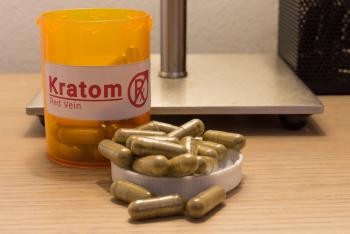
Kratom and kava are often marketed as natural wellness products, but both can cause side effects...

More than 100 South Jersey residents have filled over 300 prescriptions – free of charge – at two...