


A stroke took away Terry’s ability to read, speak clearly and walk on her own. She was certain her...
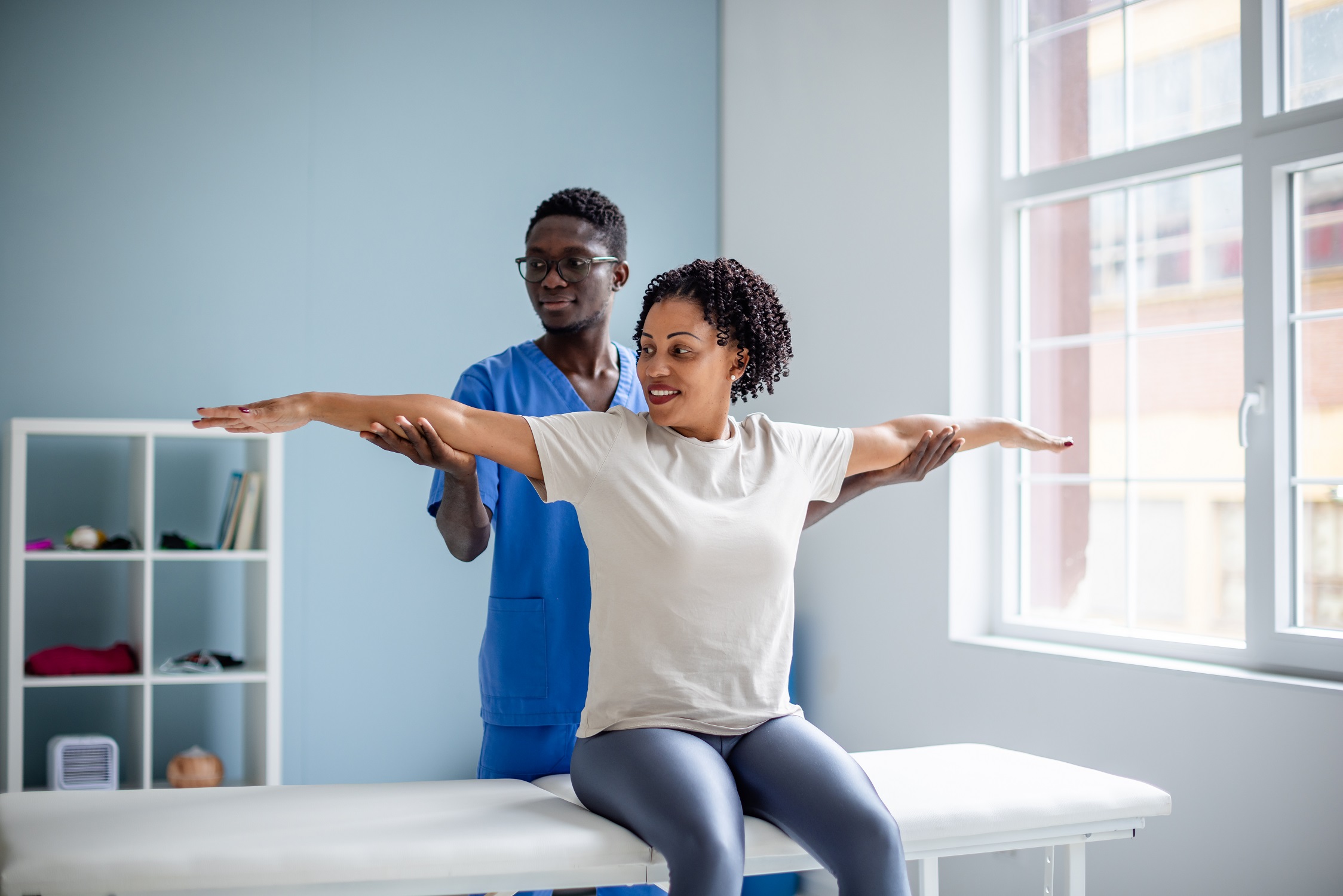
Rehabilitation isn't about enduring pain—it's about making progress in a supportive environment. Personalized care and pain management can help you manage your discomfort and make meaningful strides toward recovery.
Have you heard of the phrase “no pain, no gain”? Whether you’re dealing with a chronic condition or recovering from an injury, physical rehabilitation doesn’t have to be painful to be effective.
“Rehabilitation, at its core, is about facilitating progress in a supportive and manageable environment,” said Jamie Y. Miller, P.T., D.P.T., C.L.T.-L.A.N.A., physical therapist at Inspira Health. “While discomfort might be an inherent part of the process, it doesn’t have to be the defining factor.”
Instead, personalized care can help mitigate pain and empower individuals to achieve their highest level of function and make meaningful strides toward recovery and improvement. Learn more about the benefits of tailored treatment plans and pain management strategies.
In the physical therapy and rehabilitation process, discomfort doesn’t equate to progress. “Excessive pain during rehabilitation can impede progress and even lead to setbacks in recovery,” said Miller. “Some therapeutic exercises might be challenging to complete, but there's a big difference between productive discomfort and harmful pain.”
A personalized approach can optimize your progress and help you understand your unique pain thresholds and capabilities. No two individuals are alike, and your rehabilitation plan should include tailored exercises, therapies and approaches specific to your condition, needs and goals. “Talk with your therapist about how you can tailor your rehabilitation plan to best suit your needs,” said Miller.
Pain management is an integral part of a personalized approach. “Effective pain management doesn’t just involve medication; it encompasses a spectrum of techniques, including physical modalities, manual therapy, relaxation techniques and psychological support,” said Miller. “These strategies empower individuals to navigate discomfort while progressing steadily toward their goals.”
Integrating innovative technologies and methodologies can also help optimize the rehabilitation experience. From virtual reality-assisted therapies to biofeedback mechanisms, these advancements not only make sessions engaging but also offer precise monitoring and adjustments, mitigating pain and maximizing progress.
Beyond personalized care and pain management, your rehabilitation environment is crucial. Emotional support, encouragement and positivity significantly impact your rehabilitation journey. A supportive health care team, along with friends and family, can create an environment that fosters motivation and resilience, allowing you to navigate your rehabilitation journey and feel good about your hard work.
“Rehabilitation professionals play a crucial role in the delicate balance between pain and progress,” said Miller. “Their expertise lies not only in administering therapies but also in empathetically understanding their patients’ experiences. By actively involving patients in decision-making, offering constant support and adjusting interventions as needed, they create a healthy environment for healing.”
Inspira’s rehabilitation specialists develop patient-centered plans to help restore health and improve quality of life. Learn more here.

A stroke took away Terry’s ability to read, speak clearly and walk on her own. She was certain her...
When a torn ACL kept student-athlete Penny Floyd on the sidelines, Inspira Rehabilitation Services...

Aphasia and dysarthria both affect communication, but aphasia impacts language while dysarthria...