


Tommy John surgery, also known as UCL reconstruction, can help throwing athletes recover from...
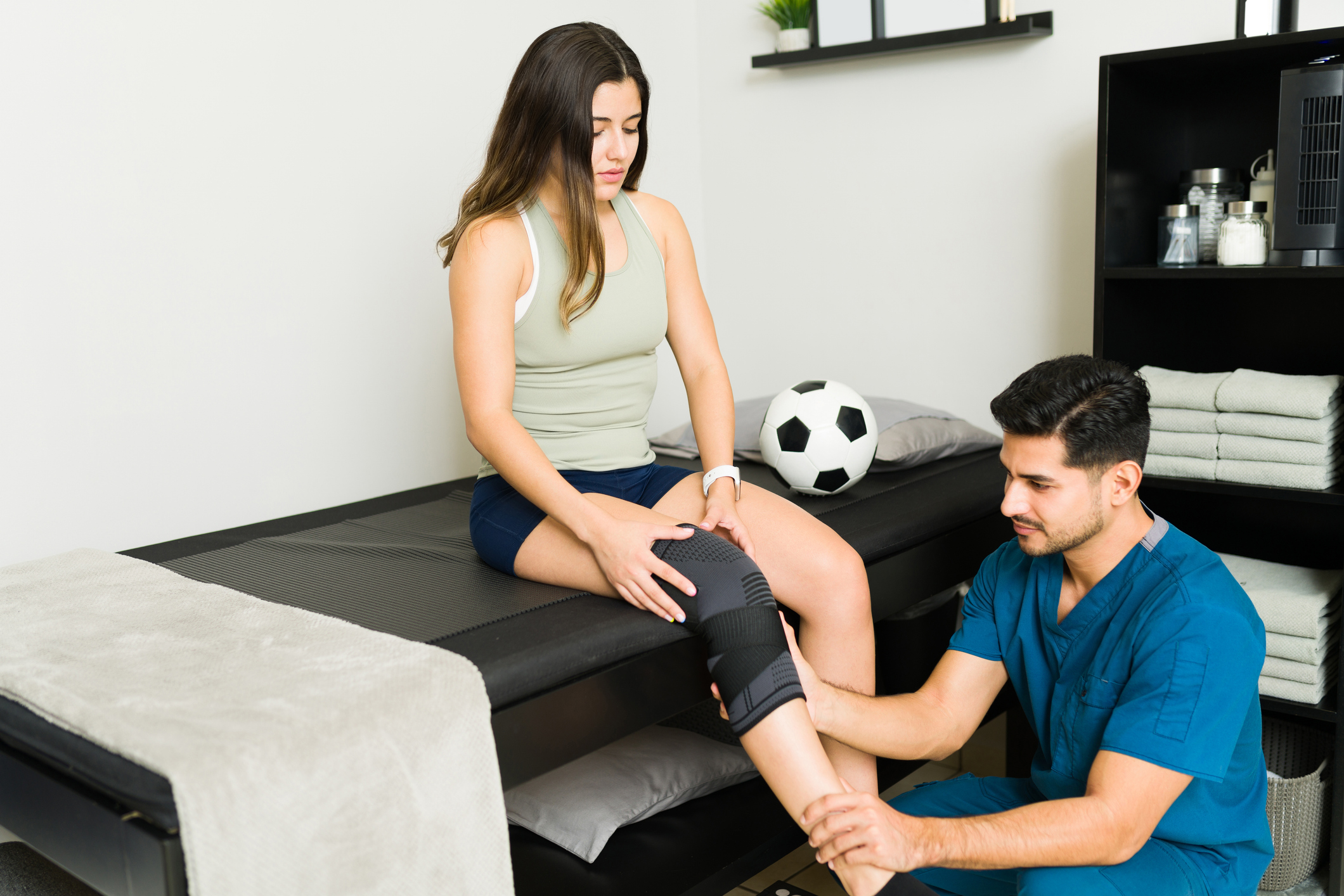
When you twist an ankle chasing after your kids or feel a nagging knee pain that just won’t quit, you may wonder whether to see a sports medicine specialist or a physical therapist first. Both play vital roles in helping you get back on your feet, but their approaches and areas of expertise are distinct.
Knowing who to turn to and when can speed up your recovery and prevent future setbacks.
Sports medicine physicians are medical doctors who specialize in musculoskeletal health, injury diagnosis and prevention. They’re often the first stop when you have an acute injury like a sudden shoulder dislocation on the tennis court, a throbbing elbow after a baseball game or a sports-related concussion.
Using imaging such as X-rays, MRIs and ultrasound, they pinpoint what’s happening beneath the surface.
“From there, they develop a treatment plan that may include medication, bracing or injections to manage pain and inflammation,” said Daniel Flaherty, PT, DPT, OCS, AIB-VRC, a physical therapist at Inspira Sports Rehab Care Deptford. “They also advise on safe return-to-play protocols, helping athletes of all levels get back to their sport without risking further harm.”
Physical therapists, by contrast, are movement specialists who help patients restore strength, flexibility and function after injury or surgery. Once your sports medicine specialist diagnoses the problem and manages immediate pain or structural concerns, your physical therapist guides your actual healing process. Through manual therapy, targeted exercises and hands-on techniques, they teach you how to rebuild muscle, improve range of motion and correct movement patterns that may have contributed to your injury in the first place.
A typical course of physical therapy could involve twice-weekly sessions over several weeks, along with a customized home exercise program to help you make progress between visits.
“If you experience a sudden injury, such as a torn ligament, fracture or acute tendonitis, or if you suspect an urgent issue like a concussion, start with a sports medicine specialist,” said Megan McLaughlin, MSPT, Inspira Sports Rehab Care. “They’ll perform any necessary imaging or diagnostic tests right away, manage pain, rule out dangerous complications and help you decide whether surgery is needed.”
Physical therapy is the next step if you’ve already seen a physician and need hands-on guidance to regain your pre-injury mobility and strength. Your physical therapist can pick up where your sports medicine specialist leaves off, taking you through progressive regimens designed to restore balance, coordination and confidence.
“Sports medicine and physical therapy teams work hand-in-hand,” said Flaherty. “A sports medicine physician may refer you to a physical therapist for rehabilitation, then follow up to ensure you’re progressing safely.” Likewise, a physical therapist keeps your physician informed, alerting them if pain persists or if you’re not meeting key recovery milestones. This collaborative model ensures nothing slips through the cracks and that you receive comprehensive care from diagnosis to a full return to activity.
Whether you’re a serious athlete sidelined by injury or someone simply hoping to stay active and pain-free, understanding these differences empowers you to seek the right level of care at the right time. Don’t let pain dictate your pace. Reach out today to learn how Inspira’s sports medicine specialists and physical therapists can team up to get you moving strong again—safely, effectively and on the shortest timeline possible.
Schedule a sports medicine appointment at Inspira.

Tommy John surgery, also known as UCL reconstruction, can help throwing athletes recover from...

A stroke took away Terry’s ability to read, speak clearly and walk on her own. She was certain her...

When a torn ACL kept student-athlete Penny Floyd on the sidelines, Inspira Rehabilitation Services...