

A stroke took away Terry’s ability to read, speak clearly and walk on her own. She was certain her...
Physical Therapy (PT) focuses on restoring and improving movement, strength and function after illness, injury or surgery. It involves evidence-based techniques to reduce pain, build mobility and support recovery so patients can return to daily activities with confidence. Physical therapists use individualized treatment plans to address a wide range of conditions, from orthopedic injuries and joint replacement recovery to neurological conditions and chronic pain.
Occupational Therapy (OT) helps people of all ages participate in activities of daily living (ADLs), including getting dressed, preparing meals, returning to work or managing school routines. OT fosters independence, confidence and quality of life by addressing the physical, cognitive and emotional skills you need for daily living.
Occupational therapists (OTs) help patients recover from injury, manage chronic conditions and adapt to new limitations. From rebuilding hand strength post-surgery to managing fatigue during cancer treatment, it provides tailored strategies to make daily tasks easier.
Our PT and OT programs provide evidence-based therapies and specialty programs designed to improve mobility, independence and quality of life, including:
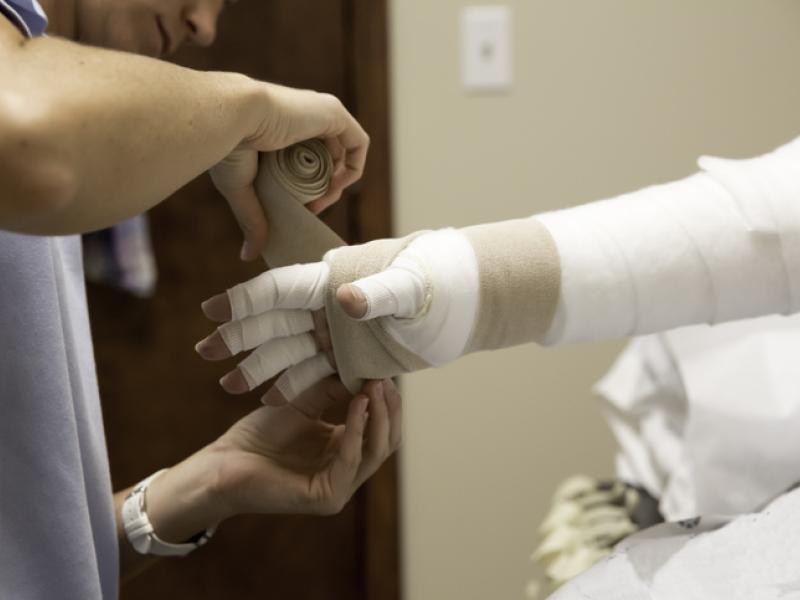
PT and OT therapists provide manual lymph drainage, compression and functional support

PT and OT provides pelvic floor rehabilitation, supports daily routines and adaptations related to pelvic health throughout the lifespan.

PT addresses dizziness, balance issues and headaches related to vestibular disorders or concussions, while OT provides vision and cognitive support for daily activities
Every PT plan begins with a one-on-one evaluation to assess movement, strength, balance and functional ability. Based on this assessment, the therapist develops a plan tailored to each patient’s goals, such as regaining independence after surgery or improving balance to prevent falls.
PT may include guided exercises, manual therapy, balance training and use of specialized equipment. Progress is monitored at each session, and therapy is adjusted to ensure safe, steady improvement. Patients are often given exercises to continue at home, reinforcing gains made in the clinic.
OT begins with an evaluation to understand a patient’s goals, daily challenges and functional abilities. This may involve testing motor skills, cognition, vision or endurance, as well as discussing how limitations affect life at home, school or work.
Based on this assessment, the OT develops a tailored plan. Treatment may include therapeutic exercises, adaptive strategies, custom splints or energy-conservation techniques. Education and home practice are key, ensuring patients and families have the tools they need to continue progress beyond the clinic.
At Inspira, patients can expect a supportive and individualized experience designed to promote safe movement, functional independence and confidence. Sessions are structured, interactive and goal-driven—whether the focus is rebuilding strength after surgery, improving flexibility to ease pain, restoring balance to prevent falls or practicing the daily activities that matter most.
Physical Therapists work closely with each patient, providing encouragement, education and strategies for continued progress outside the clinic. With consistent participation, patients experience meaningful improvements in mobility, independence and overall quality of life.
Occupational Therapy may include practicing self-care skills, learning adaptive techniques or using tools such as custom splints and ergonomic adjustments. Occupational Therapists also work closely with families and caregivers to ensure progress continues at home and in the community, reinforcing the skills that lead to lasting independence

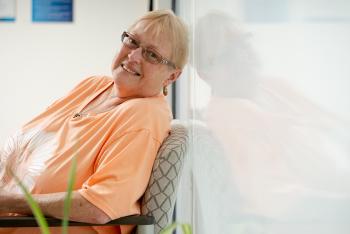
A stroke took away Terry’s ability to read, speak clearly and walk on her own. She was certain her...
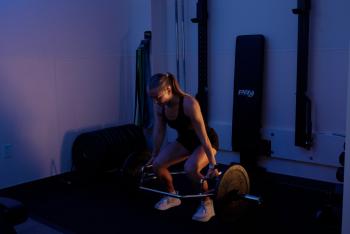
When a torn ACL kept student-athlete Penny Floyd on the sidelines, Inspira Rehabilitation Services...

Aphasia and dysarthria both affect communication, but aphasia impacts language while dysarthria...

Learn more about our online scheduling and schedule an appointment with your provider today.

We offer a wide variety of services at our many locations throughout New Jersey, including award-winning obstetrics and gynecology, cancer care and orthopedics.

World class care is in your backyard. Learn more about our local and nationally renowned physicians.