
A stroke took away Terry’s ability to read, speak clearly and walk on her own. She was certain her...
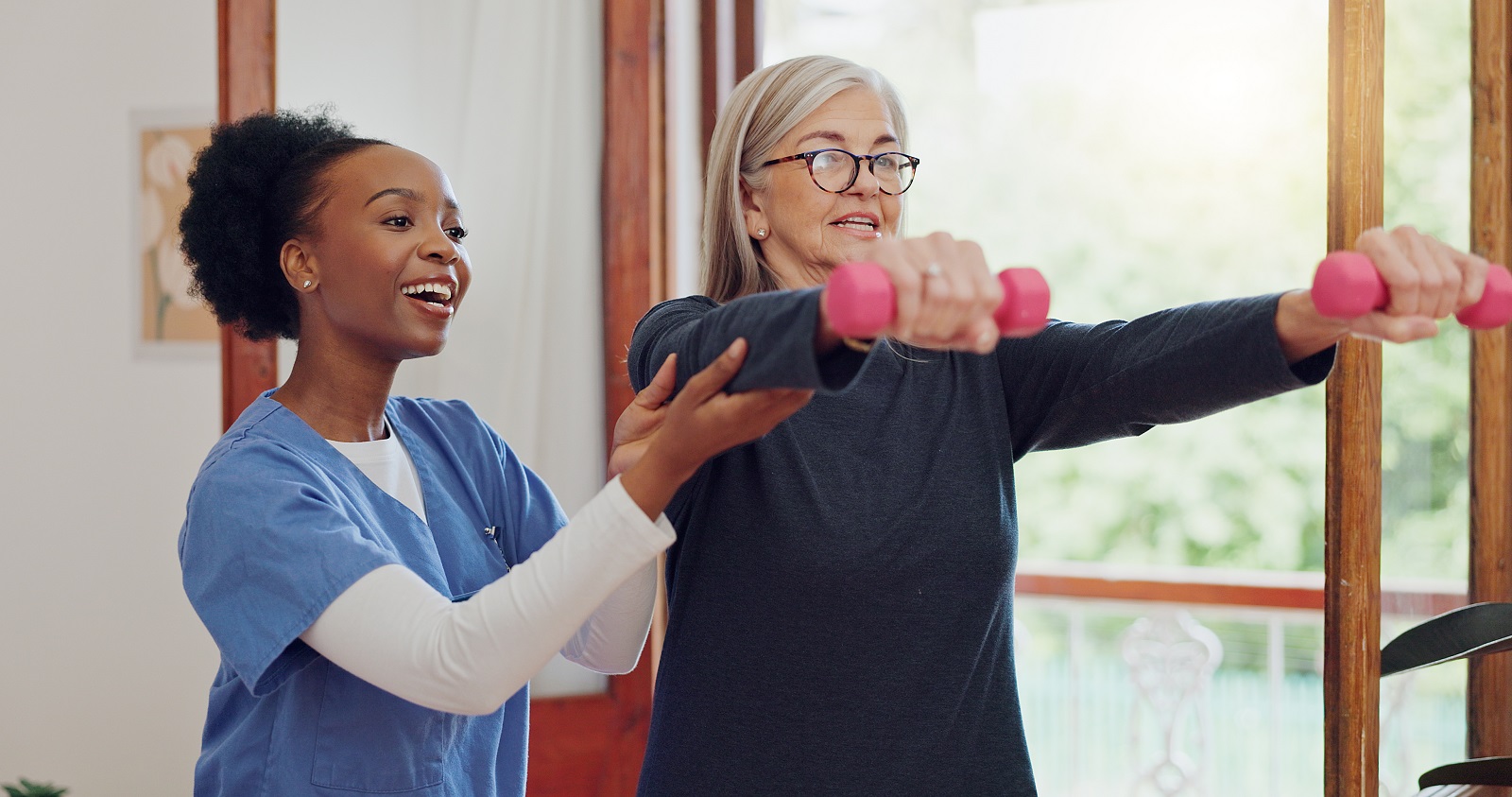
Stroke rehabilitation helps patients rebuild strength, coordination and communication skills. With specialized therapy, many people regain independence, regain confidence and improve their quality of life after a stroke.
Stroke rehabilitation is a structured program that helps patients regain abilities lost after a stroke. A stroke can affect movement (such as walking or using arms and legs), speech (including communicating or understanding language), memory (recalling information) or daily functioning (performing typical self-care activities). Therapy is essential for restoring independence.
Post-stroke therapy usually involves a team of specialists working together:
Physical Therapy for stroke patients focuses on rebuilding strength, balance and coordination
Speech Therapy supports communication and swallowing, while cognitive rehab addresses changes in memory, attention or problem-solving
This holistic approach ensures rehabilitation covers all aspects of recovery—physical, cognitive and emotional. Whether treatment begins in the hospital, an outpatient clinic or at home, the goal is to maximize function, minimize complications and support long-term recovery.
A stroke disrupts blood flow to the brain, damaging areas that control movement, speech and cognition. Rehabilitation for stroke recovery stimulates the brain’s ability to reorganize and form new pathways, a phenomenon known as neuroplasticity. Through guided practice, patients retrain their brains to restore lost functions
Physical Therapy focuses on rebuilding strength and coordination through repeated movement. Occupational Therapy applies these improvements to daily tasks for practical recovery.
Speech and Cognitive Therapy target communication, swallowing, memory, and problem-solving, supporting independence and long-term progress.
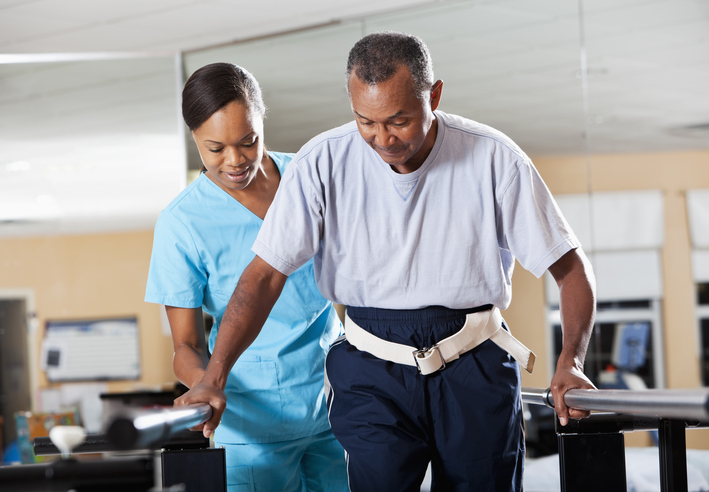
At Inspira, our program provides comprehensive, individualized care tailored to each patient. Patients undergo a thorough evaluation of their mobility, communication, cognition and overall health. This helps the team set goals and develop a personalized recovery program. Family or caregivers may join the planning to support home recovery.
During treatment, activities can include walking, strength and balance exercises, speech drills and memory or attention tasks. Therapists encourage progress and adjust strategies to keep therapy challenging and safe.
After initial therapy, Patients also receive home exercises and adaptive strategies to sustain progress. Follow-up visits monitor recovery and address any new challenges that may arise. Consistent participation leads to gains in movement, communication and independence, rebuilding confidence in daily life.
A stroke took away Terry’s ability to read, speak clearly and walk on her own. She was certain her...
When a torn ACL kept student-athlete Penny Floyd on the sidelines, Inspira Rehabilitation Services...

Aphasia and dysarthria both affect communication, but aphasia impacts language while dysarthria...

Learn more about our online scheduling and schedule an appointment with your provider today.

We offer a wide variety of services at our many locations throughout New Jersey, including award-winning obstetrics and gynecology, cancer care and orthopedics.

World class care is in your backyard. Learn more about our local and nationally renowned physicians.