
A stroke took away Terry’s ability to read, speak clearly and walk on her own. She was certain her...

Bilingual speech therapy helps strengthen communication across two languages, improving clarity and connection in everyday life.
Bilingual speech therapy helps children build communication skills in more than one language. A pediatric speech-language pathologist evaluates and treats language development in both languages, ensuring children can communicate clearly and confidently at home, in school and in social settings.
Therapy supports language growth while honoring cultural and linguistic diversity. Families are active partners in this process, reinforcing progress in both languages at home and empowering their children to thrive across all environments.
Bilingual speech therapy starts with an evaluation to understand your child’s strengths, challenges and how each language is used at home, school, and in the community. Parents and caregivers share important details about language exposure, which helps the speech-language pathologist develop a personalized plan.
During therapy, your child will engage in play-based activities, structured exercises or language-rich games that target both languages. The aim is to foster balanced growth across both languages. By practicing sounds, vocabulary and communication strategies in meaningful contexts, therapy helps children express themselves clearly and confidently.
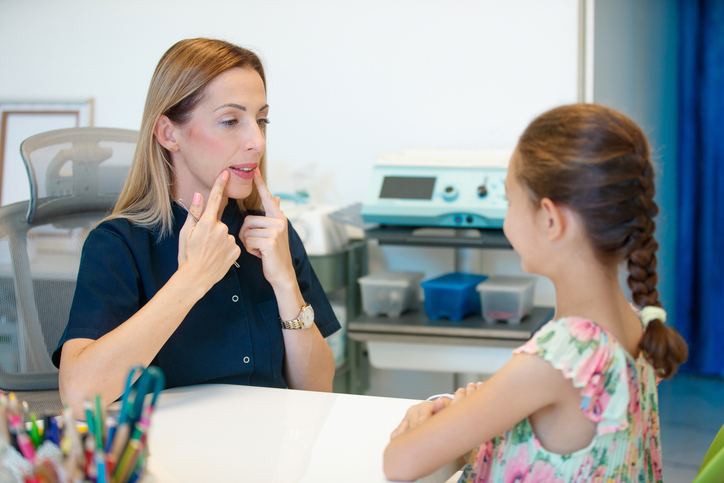
Families can expect a supportive and engaging environment where children feel comfortable using both of their languages. Therapy sessions are tailored to each child’s developmental level, with interactive, play-based activities designed to make practicing communication enjoyable and meaningful.
Parents and caregivers are active participants throughout the process. Evaluations include family input, and therapists provide strategies to reinforce progress at home in both languages. Over time, children gain confidence in expressing themselves in a variety of settings.
A stroke took away Terry’s ability to read, speak clearly and walk on her own. She was certain her...

When a torn ACL kept student-athlete Penny Floyd on the sidelines, Inspira Rehabilitation Services...

Aphasia and dysarthria both affect communication, but aphasia impacts language while dysarthria...

Learn more about our online scheduling and schedule an appointment with your provider today.

We offer a wide variety of services at our many locations throughout New Jersey, including award-winning obstetrics and gynecology, cancer care and orthopedics.

World class care is in your backyard. Learn more about our local and nationally renowned physicians.