
A stroke took away Terry’s ability to read, speak clearly and walk on her own. She was certain her...

A concussion can disrupt school, work or athletic activities by affecting your focus, energy and daily routines. With proper care, most people make a full recovery and return to normal life.
A concussion is a mild traumatic brain injury from a blow to the head or sudden jolt, causing temporary disruption of brain function. It often leads to short-term issues in coordination, thinking, or awareness.
Concussions are common, especially in contact sports, falls, car accidents, and impacts. Athletes, children, older adults, and those with previous concussions are at higher risk.
Treatment follows established protocols with immediate removal from play, medical evaluation, brief rest, and gradual return to activity. Although rarely life-threatening, repeated or unrecognized concussions can result in long-term problems like post-concussion syndrome. Early assessment and proper care treatment are key for recovery.
Concussion symptoms can appear immediately after injury or develop over the next several hours to days. Common signs of concussion include:
Not everyone experiences the same symptoms, and they can vary in intensity. Some people may exhibit only a few mild signs, while others may notice more significant effects that require closer monitoring.
Doctors diagnose a concussion through a careful review of symptoms, a physical exam and balance, memory and concentration tests. Your doctor may also perform neurological checks, which may include testing your eye movements, reflexes and coordination. Imaging tests, such as CT scans or MRIs, are not usually needed but may be ordered if a more serious head injury is suspected.

Concussion management focuses on allowing the brain to heal while safely guiding patients back to normal activity.

Speech Therapy may be recommended if communication, language or speech clarity is affected.

Counseling or behavioral health therapy helps patients manage stress, anxiety, irritability or depression that may develop during recovery.

Headaches, sleep problems or mood changes may be managed with medications, lifestyle adjustments or supportive care.
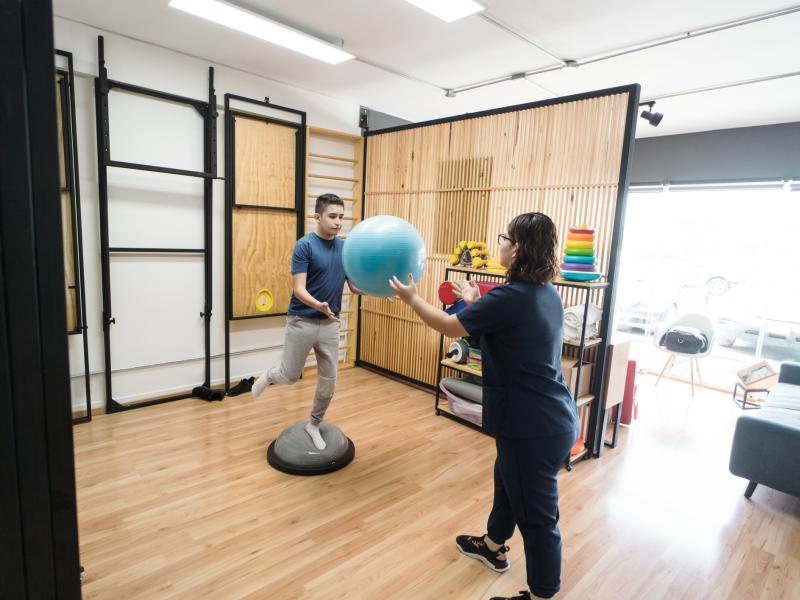
Inspira’s certified concussion therapists provide specialized exercises to reduce dizziness, improve stability and restore confidence.

Eye exercises help reduce blurred or double vision and improve visual tracking and coordination.

Structured activities can help support issues with attention span, memory and problem-solving skills.
Patients are advised to rest physically and mentally for a short period while being closely monitored for worsening symptoms during concussion recovery time, which is typically within the first 24 to 48 hours following injury.
At Inspira, concussion care is guided by evidence-based protocols and delivered by a team of specialists trained in brain and balance health. Every patient receives a thorough evaluation, followed by a personalized treatment plan that addresses their unique needs and goals. Our approach combines medical oversight with therapies such as vestibular rehabilitation, vision training and cognitive support to help patients recover fully and safely.
What sets Inspira apart is our use of advanced tools and certified expertise. Certified concussion therapists provide targeted rehabilitation, while collaboration with physicians and athletic trainers ensures continuity of care. For athletes, we follow structured return-to-play protocols that prioritize both safety and performance. For students and working adults, treatment focuses on helping patients return confidently to school or work. Across all settings, our goal is to restore function, prevent complications and support long-term brain health.

A stroke took away Terry’s ability to read, speak clearly and walk on her own. She was certain her...

When a torn ACL kept student-athlete Penny Floyd on the sidelines, Inspira Rehabilitation Services...

Aphasia and dysarthria both affect communication, but aphasia impacts language while dysarthria...

Learn more about our online scheduling and schedule an appointment with your provider today.

We offer a wide variety of services at our many locations throughout New Jersey, including award-winning obstetrics and gynecology, cancer care and orthopedics.

World class care is in your backyard. Learn more about our local and nationally renowned physicians.