
A stroke took away Terry’s ability to read, speak clearly and walk on her own. She was certain her...

Shin splints can cause pain, aching or tenderness in the lower legs while running, walking or even standing for long periods of time. With proper rest, therapy and adjustments to training, most people recover fully and return to activity without lasting discomfort.
Shin splints, medically known as medial tibial stress syndrome, cause pain and inflammation along the front or inner edge of the shinbone, or tibia. The condition develops from repetitive stress that irritates the muscles, tendons and bone tissue in the lower leg. It’s especially common among runners, dancers and athletes who increase their training intensity too quickly.
Causes of shin splints differ from person to person but often include overuse or running on hard surfaces. Wearing worn-out shoes, having flat feet or moving with improper gait mechanics can also contribute to increased strain.
Shin splints are common overuse injuries of the lower leg. They usually improve with rest and proper care. Early evaluation and gradual return to exercise are key to making a full recovery.
Shin splints cause pain in the lower leg that worsens with activity. Discomfort can range from a dull ache to sharp pain and may affect one or both legs. Symptoms may include:
Your doctor will review your symptoms and training history, identify pain triggers, and check for tenderness along your shinbone. Imaging tests like X-rays or MRI may rule out other causes, like stress fractures or compartment syndrome. After diagnosis, treatment focuses on rest, rehab, and gradual return to activity.
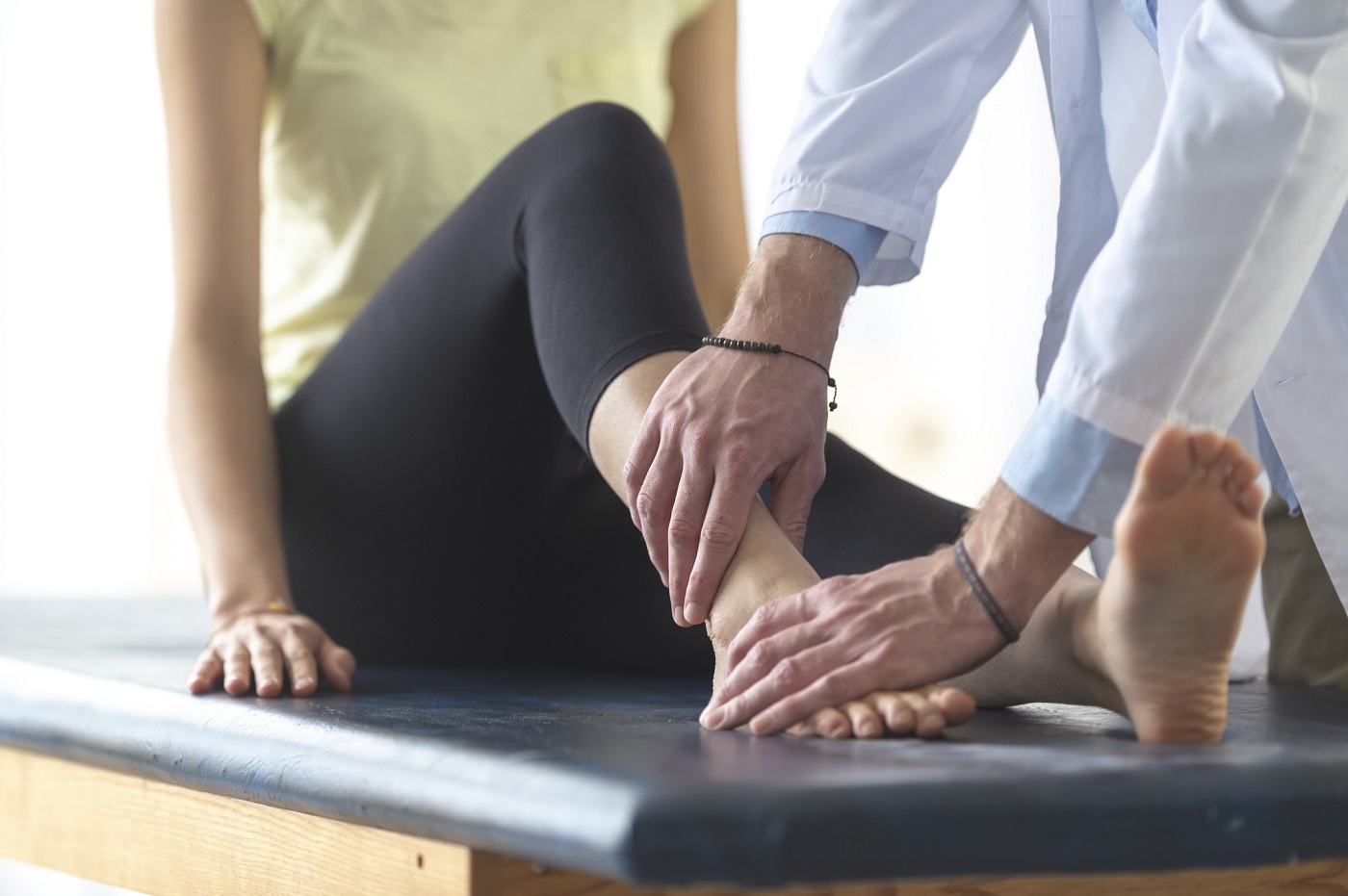

Shin splint therapies focus on improving form, balance and strength through guided shin splint exercises and gait training. Therapists may also use taping, manual therapy or shockwave therapy to aid in recovery. To help speed up healing, therapists might also use taping, manual therapy, or even shockwave therapy as part of your rehab plan.
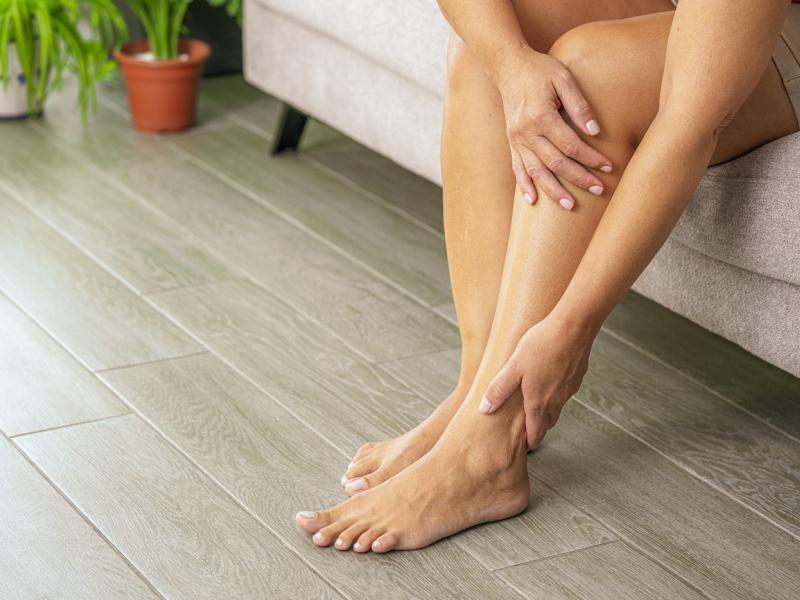
Taking a break from high-impact activities, such as running or jumping, allows the muscles and bone tissue to heal. Low-impact exercises such as swimming or cycling can help maintain fitness during recovery.

Applying ice packs several times a day and taking anti-inflammatory medications can help reduce pain and swelling along the shinbone.
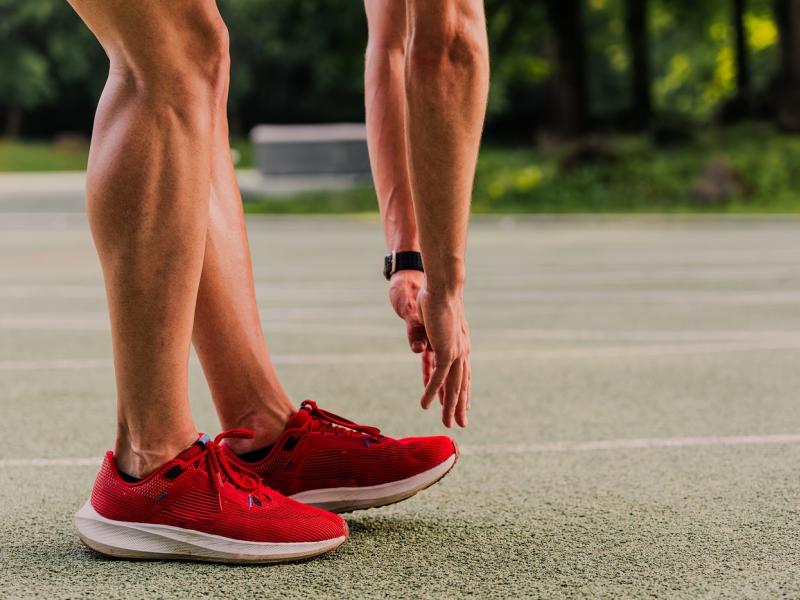
Physical Therapists will often recommend calf stretches and exercises that strengthen the lower leg and improve flexibility, which can relieve stress on the shinbone and prevent recurrence.

Wearing shoes with good cushioning and arch support—or using custom orthotics—helps correct biomechanical issues, such as flat feet, that contribute to the development of shin splints.

Once pain improves, patients work with their care team to slowly reintroduce weight-bearing and sport-specific activities, ensuring a safe and lasting return to exercise.
At Inspira, our rehabilitation specialists take a whole-body approach to treating shin splints, addressing both the pain and the underlying causes. Your care begins with a thorough evaluation of your movement patterns, footwear and training habits. From there, we create a personalized plan that combines rest, therapy and strengthening exercises to reduce inflammation, restore mobility and prevent recurrence.
Our Physical Therapists and Sports Medicine Specialists use evidence-based techniques to help you recover safely and effectively. Whether you’re a competitive athlete or an active walker, we focus on helping you move without pain and get back to your activities with confidence.
A stroke took away Terry’s ability to read, speak clearly and walk on her own. She was certain her...

When a torn ACL kept student-athlete Penny Floyd on the sidelines, Inspira Rehabilitation Services...

Aphasia and dysarthria both affect communication, but aphasia impacts language while dysarthria...

Learn more about our online scheduling and schedule an appointment with your provider today.

We offer a wide variety of services at our many locations throughout New Jersey, including award-winning obstetrics and gynecology, cancer care and orthopedics.

World class care is in your backyard. Learn more about our local and nationally renowned physicians.