
A stroke took away Terry’s ability to read, speak clearly and walk on her own. She was certain her...

A meniscus tear can make everyday movements, such as walking, bending or climbing stairs, painful and unstable. With the right treatment, most people regain comfort, flexibility and strength in their knee, allowing them to return to normal activity.
A meniscus tear is an injury to the cartilage cushioning your knee, which consists of two C-shaped pieces of cartilage—one on the inner side of the knee, called the medial meniscus, and one on the outer side, called the lateral meniscus. These act as shock absorbers, and a tear can cause pain, swelling, and stiffness. Meniscus tears often happen during activities involving knee twisting, like pivoting or squatting. However, degenerative tears can also develop gradually due to aging or repetitive stress. Risks include age, past knee injuries, and joint-straining actions.
There are several types of meniscus tears:
Understanding the type and location of the tear helps determine the most effective treatment, which can range from Physical Therapy and rest to surgical repair for more complex cases.
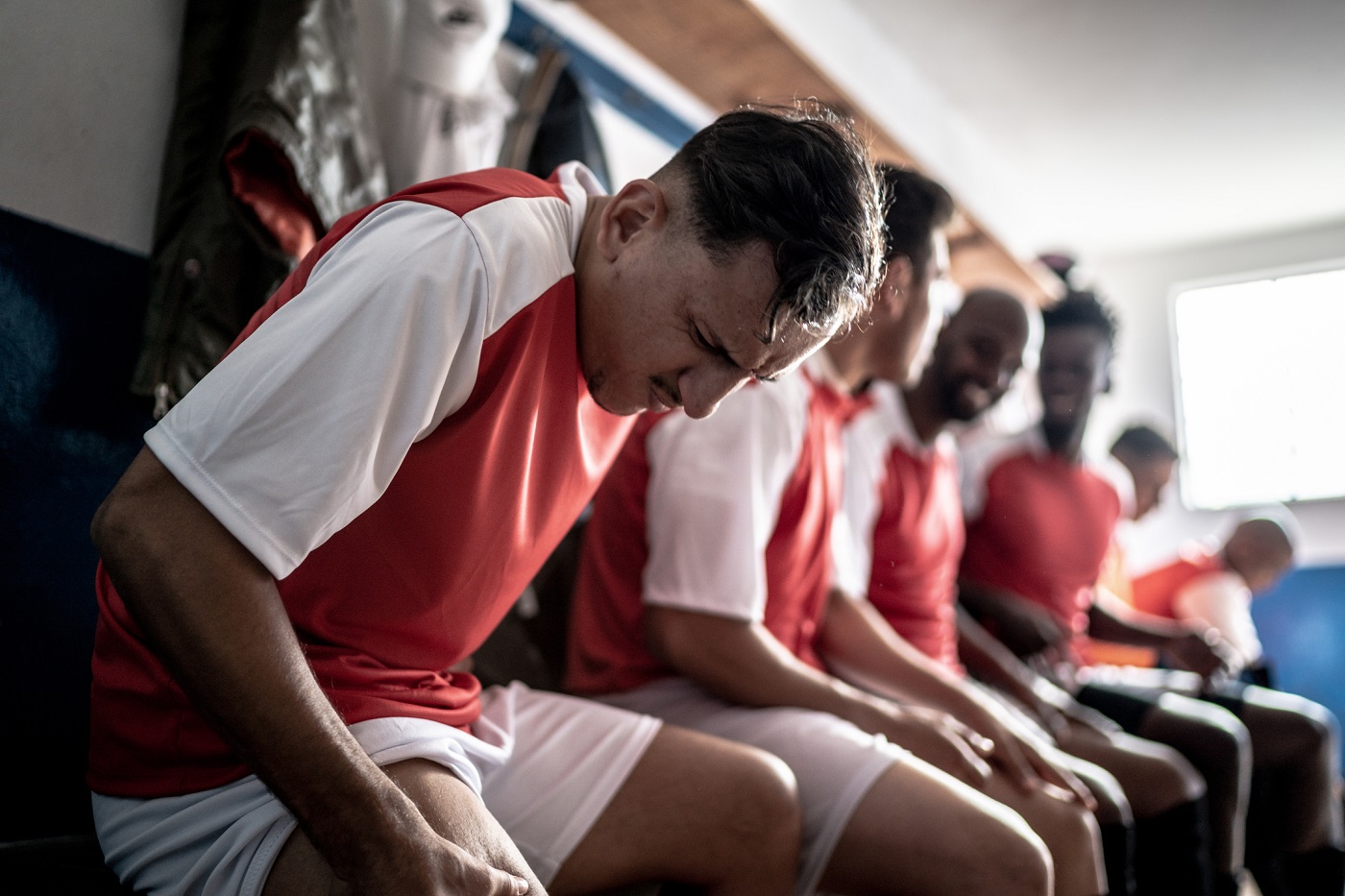
Symptoms of a torn meniscus can appear suddenly after an injury or develop gradually with overuse. The severity of pain and stiffness often depends on the type and location of the tear. Symptoms may include:
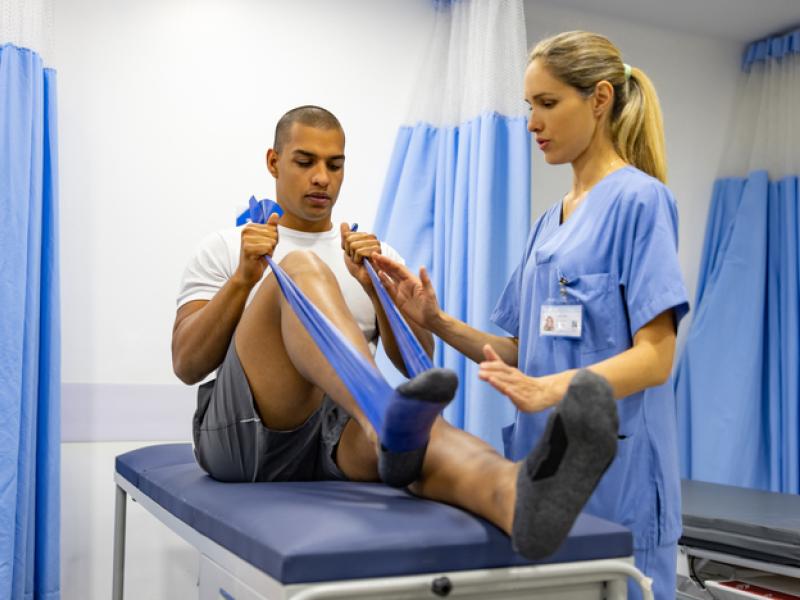
Rehabilitation focuses on restoring your range of motion, strengthening the surrounding muscles and improving stability. Therapy also helps reduce stiffness and prevent future knee injuries.

Applying ice several times a day and using anti-inflammatory medications can relieve pain and swelling during the early stages of recovery.
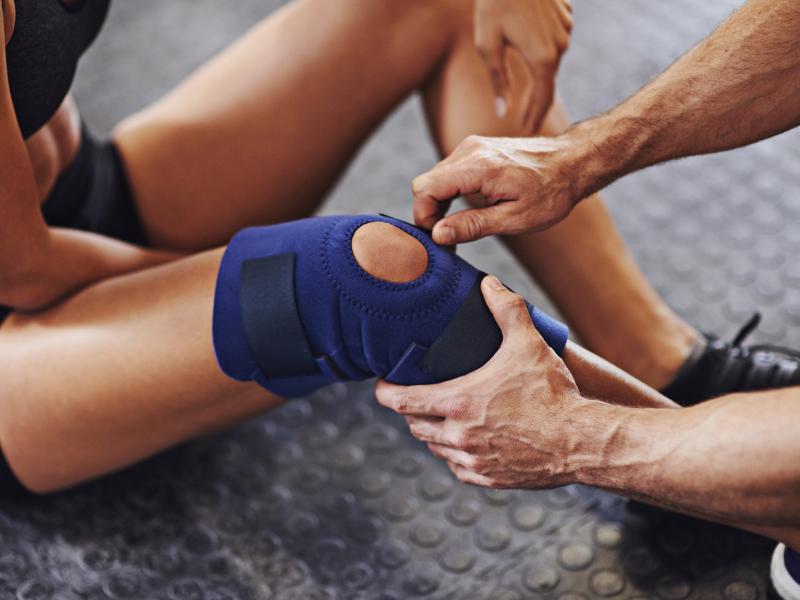
A knee brace can help stabilize the joint and provide additional support while walking or exercising, particularly in cases of minor or partial tears.
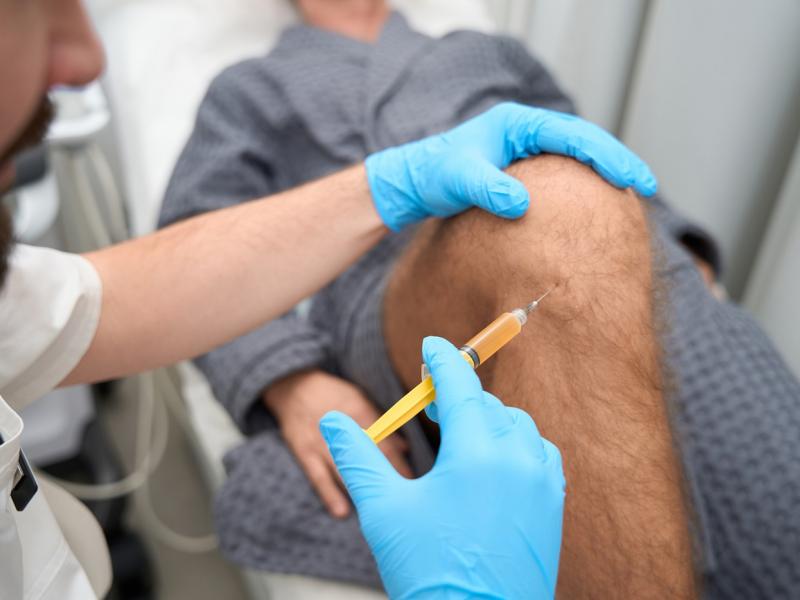
In some cases, corticosteroid or platelet-rich plasma (PRP) injections may be used to reduce inflammation and promote joint healing.
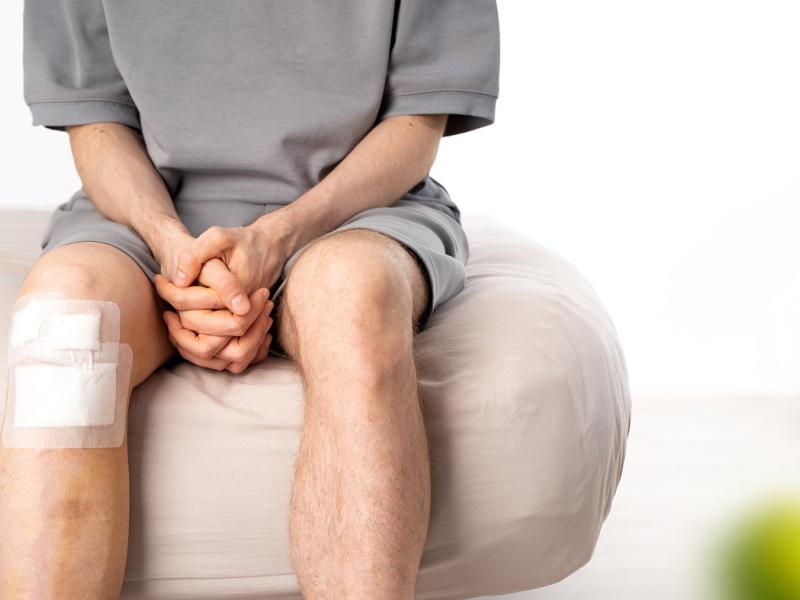
After surgery, a personalized rehabilitation plan focuses on regaining flexibility, strength and function, with a gradual return to activity over several weeks to months.
At Inspira, we understand that a meniscus tear can limit more than just sports performance—it can make simple tasks like walking, climbing stairs or standing uncomfortable. Our orthopedic and rehabilitation specialists work together to evaluate your injury and determine whether conservative care or surgical treatment is best for your needs. Every care plan is personalized to your activity level, goals and the type of meniscus tear you have.
Our team utilizes advanced diagnostics, evidence-based therapy and minimally invasive surgery to expedite recovery and minimize downtime. Physical therapists guide you through tailored exercises to rebuild knee strength, restore balance and prevent reinjury. With coordinated care and ongoing support, Inspira helps you return to daily activities and the sports you love with lasting comfort.

A stroke took away Terry’s ability to read, speak clearly and walk on her own. She was certain her...

When a torn ACL kept student-athlete Penny Floyd on the sidelines, Inspira Rehabilitation Services...

Aphasia and dysarthria both affect communication, but aphasia impacts language while dysarthria...

Learn more about our online scheduling and schedule an appointment with your provider today.

We offer a wide variety of services at our many locations throughout New Jersey, including award-winning obstetrics and gynecology, cancer care and orthopedics.

World class care is in your backyard. Learn more about our local and nationally renowned physicians.