
A stroke took away Terry’s ability to read, speak clearly and walk on her own. She was certain her...

Lymphedema therapy helps manage swelling caused by fluid buildup, which can sometimes happen after cancer treatment or surgery. Through specialized care, patients can experience improved comfort, mobility and overall quality of life.
Lymphedema therapy is a specialized form of care designed to manage swelling that develops when the lymphatic system is blocked or damaged. The causes of lymphedema can include surgery, radiation, infection, injury or, in some cases, a congenital and/or hereditary condition. It most commonly affects the arms or legs, but can also involve the chest, trunk, head or neck. Patients may experience heaviness, tightness or visible swelling that affects daily comfort and function.
The primary approach to lymphedema therapy is called complete decongestive therapy (CDT), which combines four key strategies:
Together, these techniques reduce swelling, improve mobility and provide patients with tools for ongoing lymphedema management at home.
Lymphedema therapy is recommended for individuals at any stage of lymphedema, from mild swelling to more advanced cases. Since the condition can appear immediately after cancer treatment or years later, early detection and treatment are vital for long-term health. Left untreated, lymphedema can cause stiffness, pain, skin changes or loss of function, and timely care is essential.
The lymphatic system normally drains protein-rich fluid, called lymph, from tissues back into the bloodstream. When this system is damaged or blocked, fluid accumulates, leading to swelling. Lymphedema therapy works by stimulating alternative drainage pathways and supporting the body’s ability to circulate fluid more effectively.
One key element is lymphatic drainage therapy, which gently directs fluid into functioning vessels and lymph nodes. Therapy also teaches long-term lymphedema management strategies. This multifaceted approach helps control symptoms, improve mobility and reduce complications across all lymphedema stages.
Patients undergo an evaluation that may include a physical exam which could include measurements, palpitation and observation.
Early detection allows therapy to start promptly, even before symptoms are noticeable.
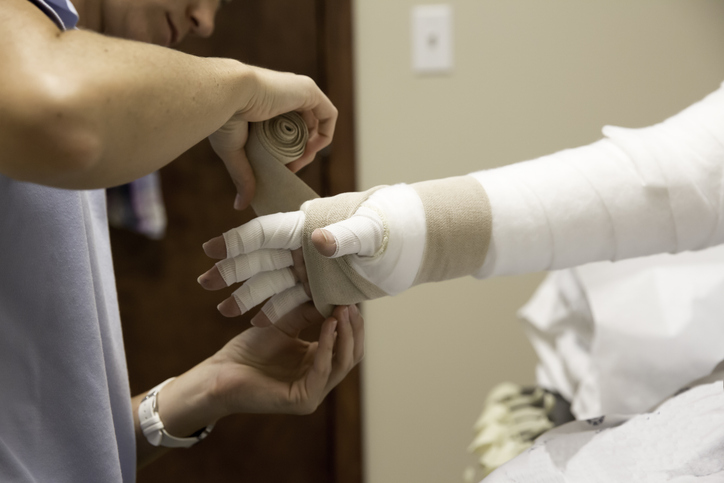
During treatment, a certified lymphedema therapist provides one-on-one care. Sessions often include manual lymph drainage, multi layered compression bandaging, vasopneumatic pump and guided exercises. Education is built into each visit, with therapists teaching patients how to care for their skin, protect the affected limb and practice safe daily activities.
After treatment, patients usually continue wearing compression garments and performing exercises at home to maintain progress. Follow-up visits may be scheduled to monitor swelling, adjust garments or refine self-care strategies.

A stroke took away Terry’s ability to read, speak clearly and walk on her own. She was certain her...

When a torn ACL kept student-athlete Penny Floyd on the sidelines, Inspira Rehabilitation Services...

Aphasia and dysarthria both affect communication, but aphasia impacts language while dysarthria...

Learn more about our online scheduling and schedule an appointment with your provider today.

We offer a wide variety of services at our many locations throughout New Jersey, including award-winning obstetrics and gynecology, cancer care and orthopedics.

World class care is in your backyard. Learn more about our local and nationally renowned physicians.