
A stroke took away Terry’s ability to read, speak clearly and walk on her own. She was certain her...

A UCL injury, often referred to as a Tommy John injury, can sideline athletes by causing pain and instability in the elbow during activities like throwing or lifting. With the right treatment, most people regain strength and stability, and many athletes safely return to their sport.
A UCL injury, also called a Tommy John injury, involves the ligament on the inside of the elbow that provides stability while throwing. Injury can cause pain, weakness and difficulty with activities that involve the elbow.
UCL injuries can be classified into the following categories:
UCL injuries often happen from doing the same throwing actions over and over, like in baseball, softball or javelin. Sometimes, these injuries occur suddenly when a lot of force is applied to the elbow, such as from a fall. Participating in a lot of throwing or overhead sports, training all year without breaks or having previously hurt your elbow can increase your risk for these injuries.
UCL injuries often affect athletes who throw or perform overhead movements, but symptoms can also appear during daily tasks. Symptoms may develop gradually from overuse or suddenly after a single injury and may include:
Your doctor will ask about your symptoms and how the injury happened. A physical exam may include applying gentle stress to the elbow, called a valgus stress test. MRI scans can confirm ligament damage. After diagnosis, your doctor will suggest treatment options based on your activity level and goals.
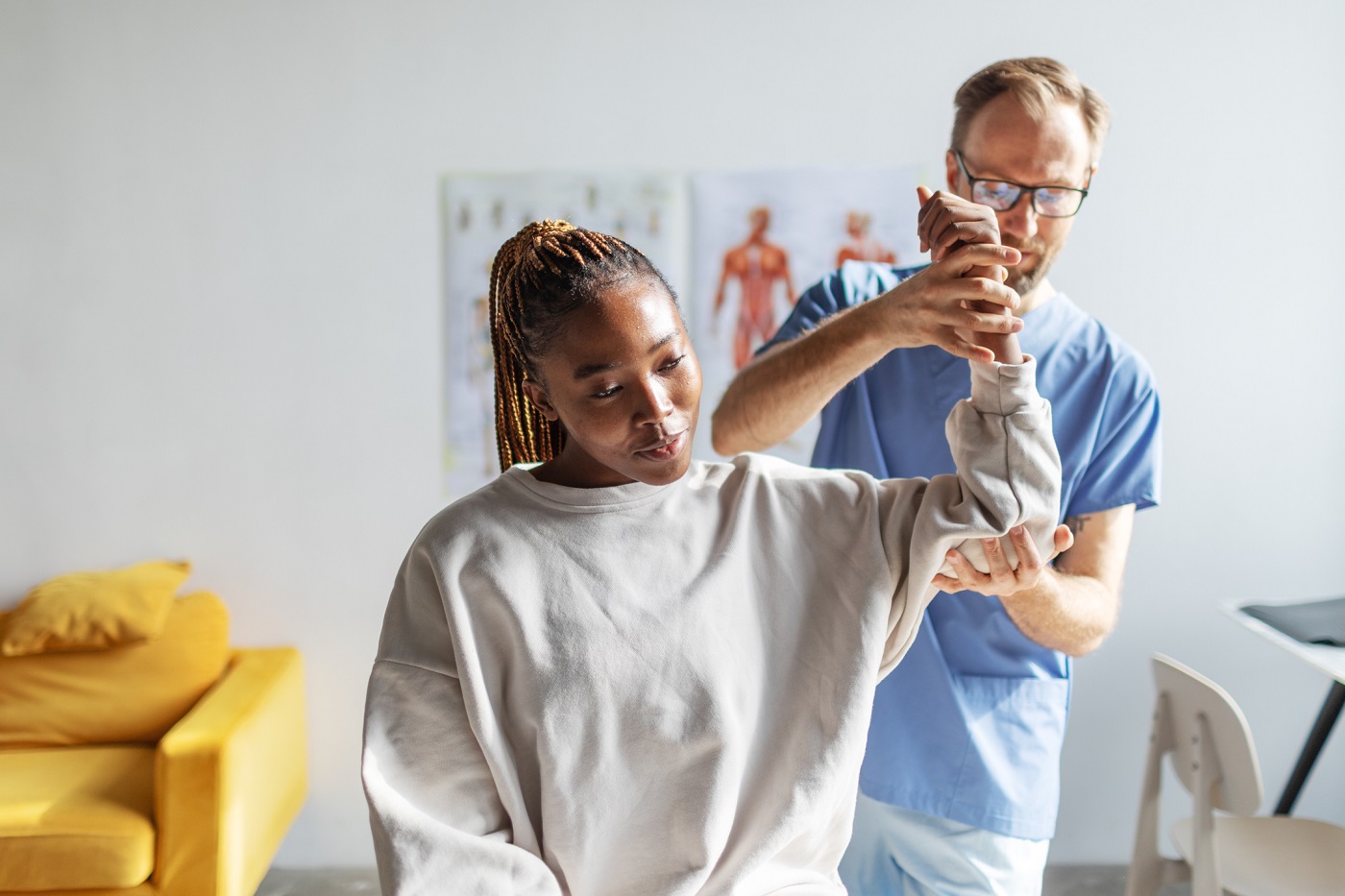

Strengthening and flexibility exercises for the arm, shoulder and core improve stability and reduce strain on the elbow.
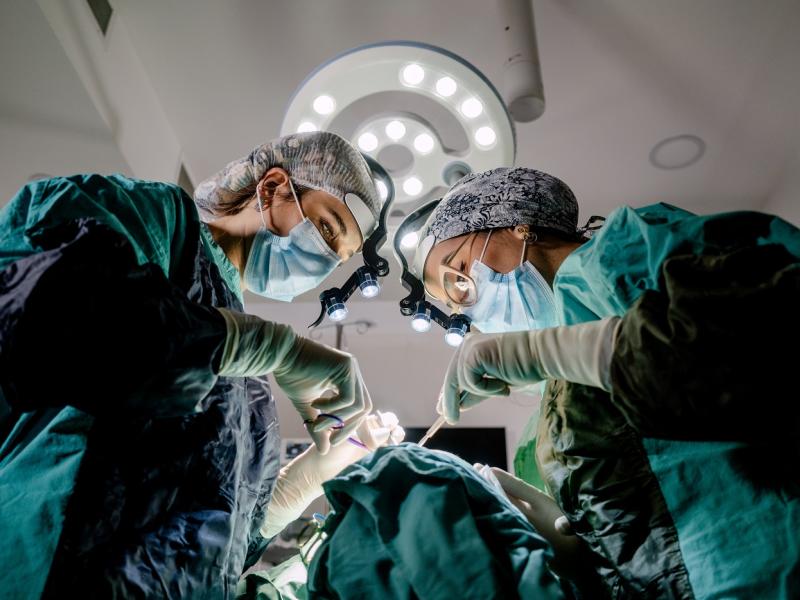
For complete tears or when conservative treatments fail, surgery rebuilds the ligament using a graft, followed by extensive rehabilitation.
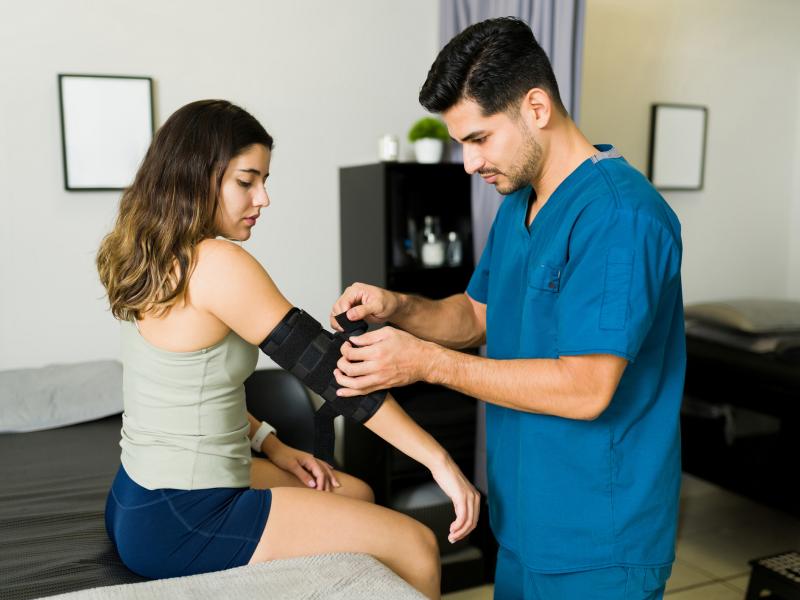
Your doctor may prescribe a supportive elbow brace to protect the joint and limit movements that stress the ligament.

Your doctor may recommend limiting or adjusting throwing activities and focusing on mechanics to avoid reinjury.
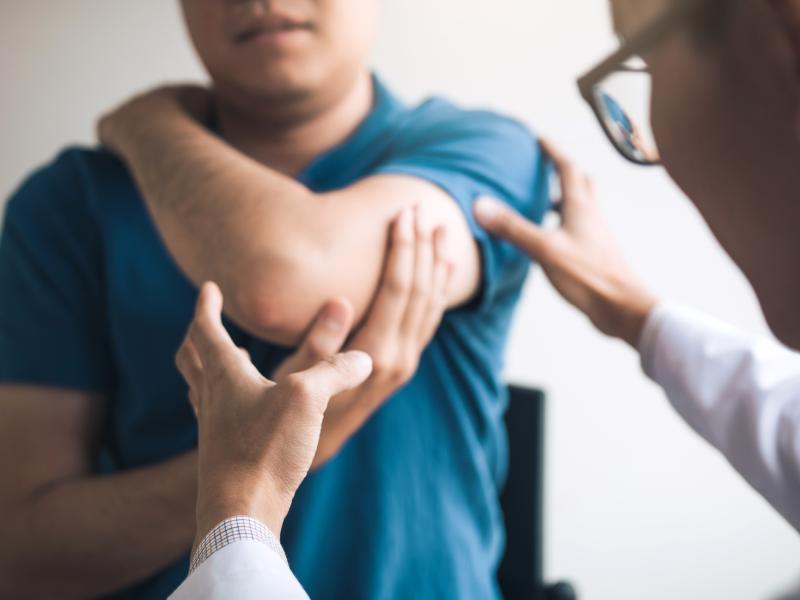
In some cases, injections are used to promote healing in partially torn ligaments.
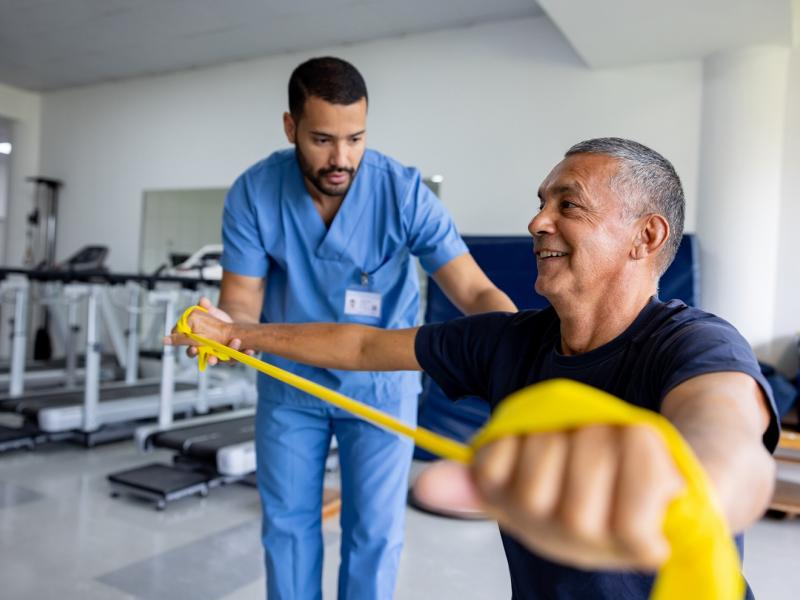
Physical and Occupational Therapy after UCL elbow surgery focuses on restoring strength, mobility and throwing mechanics, often requiring nine to 12 months before returning to competitive sports.
At Inspira, we deliver comprehensive UCL injury care tailored for athletes and active adults seeking a full return to activity. Our team begins with a detailed evaluation to understand the cause of the injury and its impact on your daily life or athletic performance. Treatment plans are personalized, combining rest, bracing and structured physical therapy to restore stability and reduce stress on the elbow.
When patients require surgery, our rehabilitation specialists coordinate closely with orthopedic surgeons to provide seamless care before and after Tommy John surgery. Our therapists focus on restoring mobility and strength to improve range of motion and support proper joint function, while also working on throwing mechanics to help athletes perform at their best. Injury prevention strategies are integrated into the rehabilitation plan to minimize the risk of reinjury. Our goal is to help patients reduce pain, regain function, rebuild confidence and safely return to the activities they love.

A stroke took away Terry’s ability to read, speak clearly and walk on her own. She was certain her...
When a torn ACL kept student-athlete Penny Floyd on the sidelines, Inspira Rehabilitation Services...

Aphasia and dysarthria both affect communication, but aphasia impacts language while dysarthria...

Learn more about our online scheduling and schedule an appointment with your provider today.

We offer a wide variety of services at our many locations throughout New Jersey, including award-winning obstetrics and gynecology, cancer care and orthopedics.

World class care is in your backyard. Learn more about our local and nationally renowned physicians.