
A stroke took away Terry’s ability to read, speak clearly and walk on her own. She was certain her...

Pediatric rehabilitation helps children develop movement, communication and participation skills. Inspira offers Physical, Occupational, Speech and Audiology therapies at our South Jersey locations, providing easier access for families.
Physical Therapy builds strength, coordination and balance using play. Occupational Therapy develops fine motor skills, promotes independence and enhances daily living abilities. Speech Therapy improves language, social skills, fluency and swallowing, sometimes with communication tools. Audiology evaluates hearing to help children access language and learning.
Inspira also offers specialized services, including feeding programs, sensory therapy and bilingual speech therapy. These services ensure a comprehensive, coordinated approach in one setting
Pediatric rehabilitation works by strengthening the body, training the brain and developing communication skills through structured, play-based activities tailored to each child's individual needs. Each therapy discipline targets specific needs while working together to support overall growth and independence.
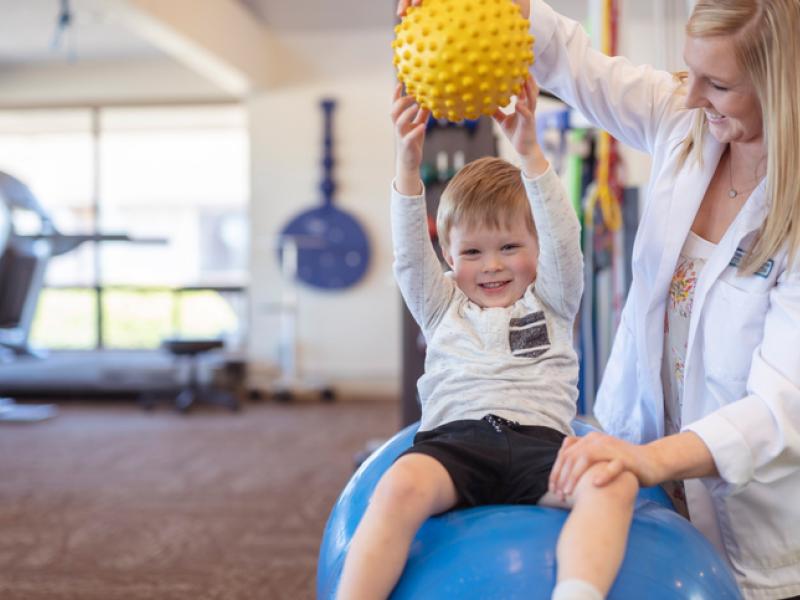
Physical Therapy builds mobility, posture, strength, balance and coordination through guided movement and repetitive practice. These exercises promote motor development and help children build confidence in walking, climbing and engaging in active play.
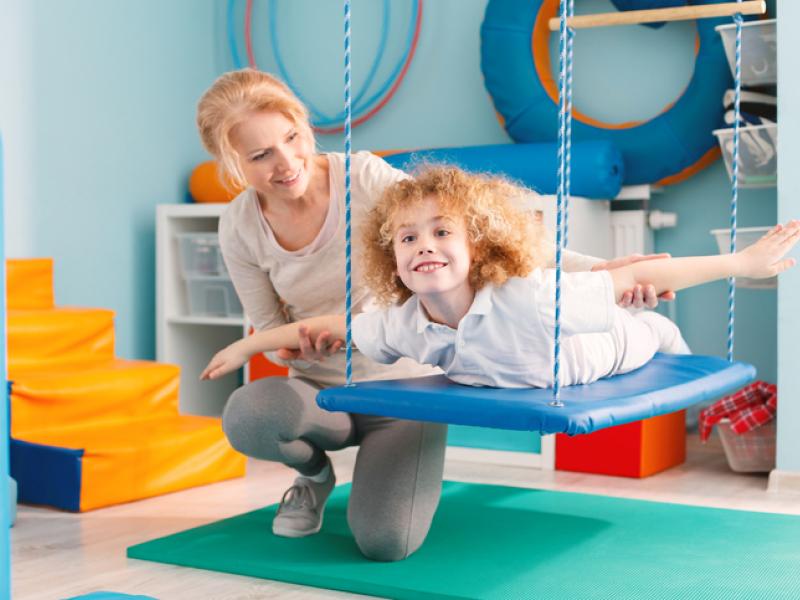
Occupational Therapy focuses on fine motor skills, sensory integration and self-care activities such as dressing, feeding and handwriting. By improving these skills, children are better able to participate in school, home routines and social interactions.
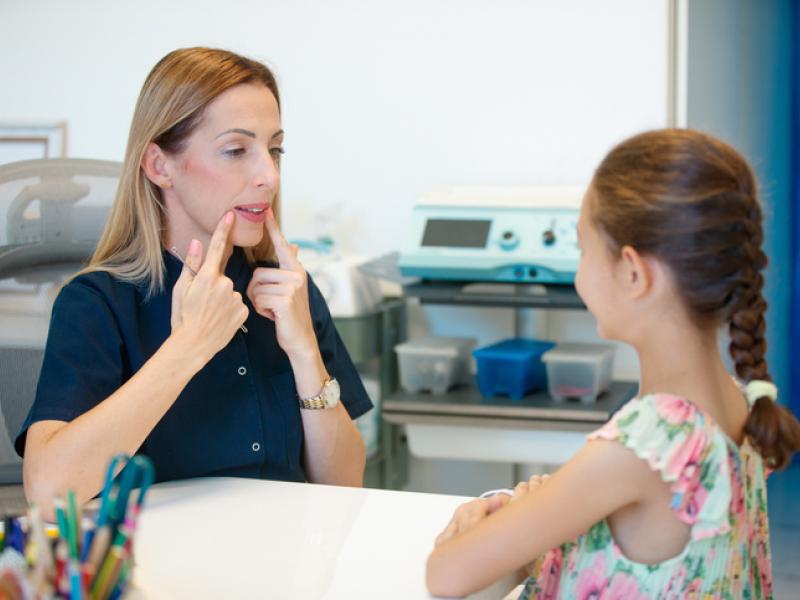
Speech therapy addresses communication and swallowing. Therapists may use interactive games, sign language or assistive devices to enhance speech clarity, improve language skills and promote feeding safety.
Families can expect a welcoming, comprehensive evaluation. Therapists take the time to understand a patient's medical history, developmental milestones and everyday routines. Parents and caregivers play an active role, sharing concerns and goals to help shape the child’s care plan.
During therapy, sessions are individualized and age-appropriate. Children engage in activities designed to build skills while feeling supported and motivated. Families are encouraged to participate, observing techniques and learning strategies they can use at home to reinforce progress between visits.
Ongoing support helps maintain momentum. Families receive home exercise plans and practical tips for daily routines, while follow-up visits track milestones and update goals as the child grows. Whether the focus is building new skills or regaining abilities after an illness or injury, pediatric rehabilitation provides steady guidance and encouragement every step of the way.
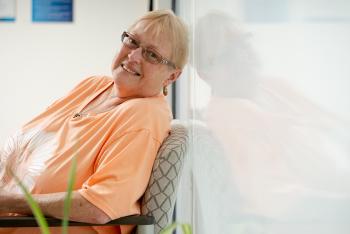
A stroke took away Terry’s ability to read, speak clearly and walk on her own. She was certain her...
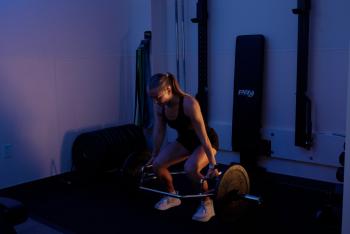
When a torn ACL kept student-athlete Penny Floyd on the sidelines, Inspira Rehabilitation Services...

Aphasia and dysarthria both affect communication, but aphasia impacts language while dysarthria...

Learn more about our online scheduling and schedule an appointment with your provider today.

We offer a wide variety of services at our many locations throughout New Jersey, including award-winning obstetrics and gynecology, cancer care and orthopedics.

World class care is in your backyard. Learn more about our local and nationally renowned physicians.