
A stroke took away Terry’s ability to read, speak clearly and walk on her own. She was certain her...

A hip flexor strain can make everyday movements, such as walking, running or climbing stairs, painful and stiff. With rest, stretching and therapy, most people regain flexibility and strength, allowing them to move comfortably and return to activity without lingering discomfort.
A hip flexor strain happens when one or more of the muscles at the front of the hip are overstretched or torn. These muscles, including the iliopsoas, rectus femoris and sartorius, help lift the knee and bend the hip. When they’re injured, pain, tightness and limited movement can make everyday activities, such as walking, running or standing, difficult.
A hip flexor injury can range from mild overstretching to a partial or complete muscle tear. It can be classified into three grades:
A strained hip flexor is often caused by sudden or repetitive motion that stresses the muscle beyond its limits. Common triggers include sprinting, kicking, jumping or abrupt changes in direction during sports. Tight hip flexors, poor warm-up routines or muscle imbalances can also increase the risk of injury.
Hip flexor strain symptoms can appear suddenly during activity or develop gradually over time due to repeated overuse. Pain is usually felt in the front of the hip or upper thigh and may worsen with movement. Symptoms may include:
Your doctor will ask about your symptoms, physical activity, and how the injury happened. They’ll check for tenderness, swelling, and use a hip flexor strain test to identify pain or weakness. Strength and flexibility tests determine injury severity. Imaging like MRI or ultrasound may be used to confirm the diagnosis and rule out other conditions.
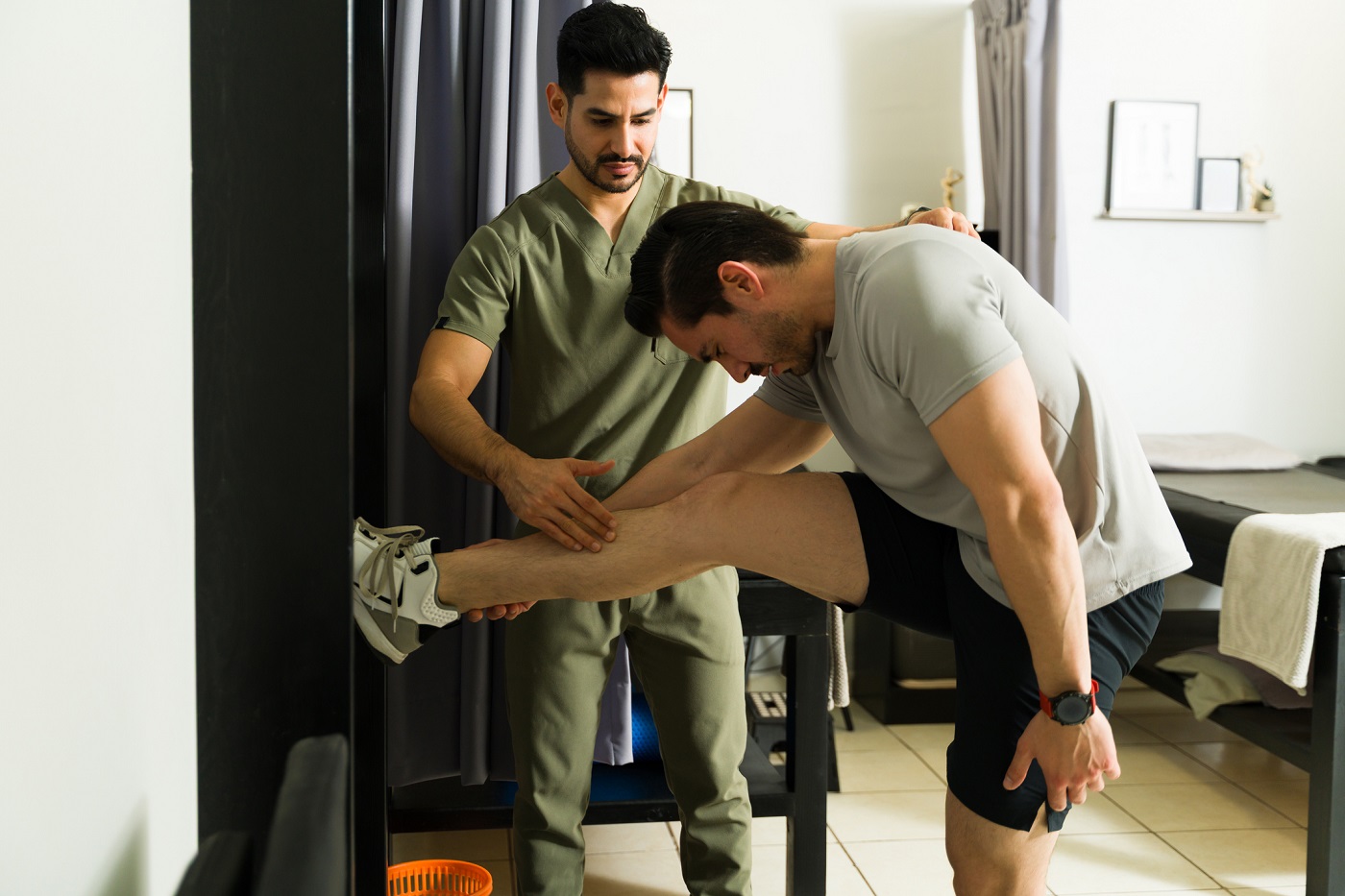
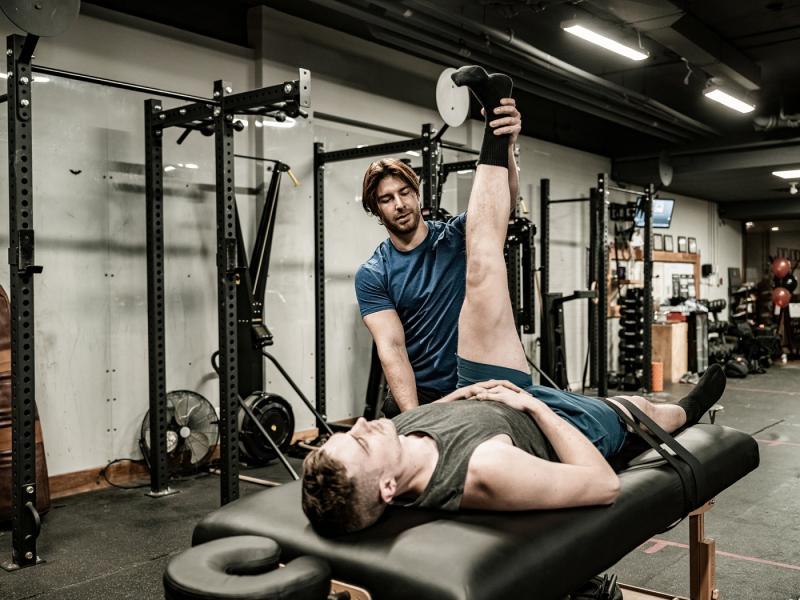
Avoiding activities that strain the hip flexors, such as running, sprinting or kicking, gives the muscles time to heal. Gentle stretching and light movement can help prevent stiffness during the recovery process.

Applying ice several times a day and using anti-inflammatory medications can reduce pain, swelling and inflammation in the affected area. Compression shorts or wraps may help stabilize the area, reduce swelling and enhance comfort during the early stages of recovery.

Physical Therapy often includes targeted stretches and exercises that improve flexibility, balance and muscle endurance. These hip flexor strain exercises help restore function and prevent reinjury.
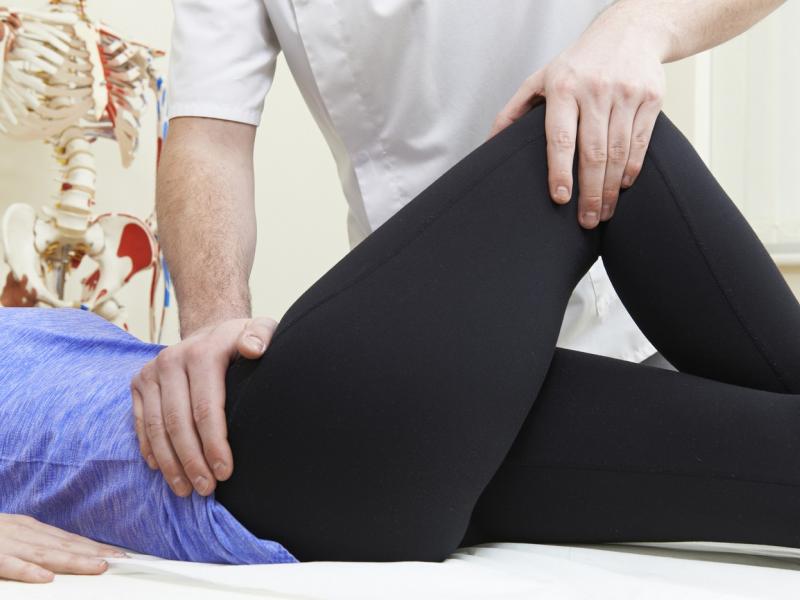
Therapists may use massage, myofascial release or soft-tissue mobilization to reduce tension and promote healing in the hip and surrounding muscles.
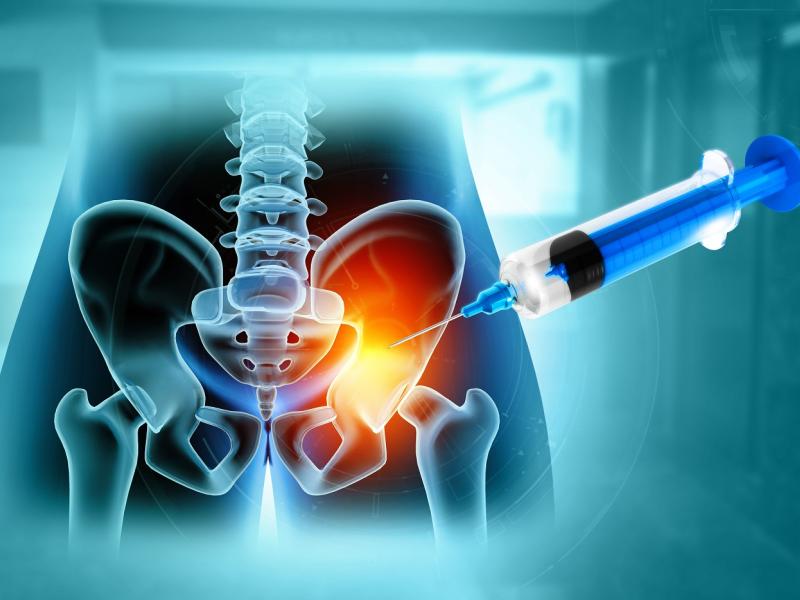
For persistent pain, corticosteroid or platelet-rich plasma (PRP) injections may be used to decrease inflammation and encourage tissue repair.
At Inspira, our rehabilitation specialists understand how a hip flexor strain can impact your mobility, comfort and performance—whether you’re an athlete, a fitness enthusiast or simply staying active day to day. Our care begins with a thorough evaluation to determine the cause and severity of your injury. We then create a personalized treatment plan that focuses on reducing pain, improving flexibility and safely restoring strength and range of motion.
Our physical therapists use evidence-based techniques, including targeted stretching, strengthening exercises and manual therapy, to promote healing. When appropriate, advanced therapies like soft-tissue mobilization or dry needling may be incorporated to enhance recovery. Throughout your care, we emphasize education and prevention, helping you correct movement patterns, improve your posture and build the resilience needed to avoid reinjury.

A stroke took away Terry’s ability to read, speak clearly and walk on her own. She was certain her...

When a torn ACL kept student-athlete Penny Floyd on the sidelines, Inspira Rehabilitation Services...

Aphasia and dysarthria both affect communication, but aphasia impacts language while dysarthria...

Learn more about our online scheduling and schedule an appointment with your provider today.

We offer a wide variety of services at our many locations throughout New Jersey, including award-winning obstetrics and gynecology, cancer care and orthopedics.

World class care is in your backyard. Learn more about our local and nationally renowned physicians.