
A stroke took away Terry’s ability to read, speak clearly and walk on her own. She was certain her...

Vestibular therapy treats dizziness, vertigo, imbalance and related symptoms. These issues often stem from inner ear problems, concussions or neurological conditions, and can make everyday activities feel difficult or even unsafe.
The purpose of vestibular therapy is to retrain the brain and body to interpret balance signals more effectively. Through targeted exercises and therapy techniques, patients can reduce dizziness, improve coordination and restore confidence in movement. Many people notice that symptoms lessen over time as the brain adapts to new input and builds resilience.
Your doctor may recommend this type of therapy for dizziness caused by conditions such as benign paroxysmal positional vertigo (BPPV), post-concussion syndrome, vestibular neuritis, labyrinthitis, stroke or other neurological conditions. It can also help with age-related balance dysfunction or dizziness triggered by head movements or visual changes.
There are many techniques used in vestibular rehabilitation therapy, including:
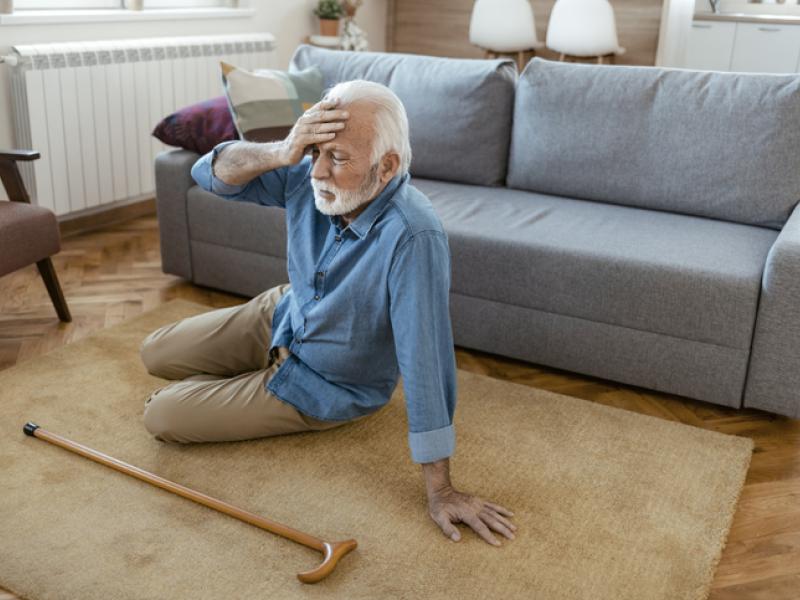
Specialized head and body movements, such as the Epley maneuver, move loose crystals in the inner ear back to their proper place to relieve vertigo caused by BPPV.

These exercises train the eyes to stay focused during head movements, improving vision stability and reducing dizziness during everyday tasks.

Practicing daily activities and general conditioning builds endurance and confidence and improves your overall quality of life.
Targeted activities strengthen the balance system, improve coordination and reduce fall risk.
Controlled exposure to dizziness-triggering movements helps the brain adapt, reducing sensitivity over time.
When you start vestibular therapy, you can expect a compassionate and structured approach to ease symptoms and restore your confidence. Your therapist will explain the evaluation process, which may involve checking your balance, testing eye movements and discussing how dizziness or vertigo affects your routine. This initial visit helps ensure your therapy plan reflects your unique needs and goals.
During treatment, sessions may include gentle repositioning maneuvers, customized vestibular rehabilitation exercises and interactive activities that challenge your balance safely. Some patients may feel mild dizziness while practicing habituation exercises, but this response is expected and helps the brain adapt. Therapists carefully guide you through each step, ensuring therapy remains safe and effective.
Over time, patients often notice improvements not only in physical steadiness, but also in daily confidence. With consistent participation and home practice, vestibular rehabilitation can make a meaningful difference in both your safety and quality of life.

A stroke took away Terry’s ability to read, speak clearly and walk on her own. She was certain her...
When a torn ACL kept student-athlete Penny Floyd on the sidelines, Inspira Rehabilitation Services...

Aphasia and dysarthria both affect communication, but aphasia impacts language while dysarthria...

Learn more about our online scheduling and schedule an appointment with your provider today.

We offer a wide variety of services at our many locations throughout New Jersey, including award-winning obstetrics and gynecology, cancer care and orthopedics.

World class care is in your backyard. Learn more about our local and nationally renowned physicians.