
A stroke took away Terry’s ability to read, speak clearly and walk on her own. She was certain her...

A rotator cuff tear can make everyday activities—such as reaching overhead, lifting or sleeping—painful and difficult. With the right treatment, most people regain strength, restore shoulder mobility and return to the activities they enjoy.
A rotator cuff tear is an injury to one or more of the tendons that stabilize and move your shoulder. These tendons connect muscles to the bones of the shoulder joint, allowing you to lift, rotate and reach overhead. When a tendon becomes partially or fully torn, pain and weakness can limit your ability to use the arm comfortably.
Rotator cuff tears are described in different ways depending on how much of the tendon is damaged and how the injury occurred:
Rotator cuff tears may result from sudden trauma, such as falling on an outstretched arm, or from gradual wear and tear over time. Repetitive overhead movements in sports, heavy lifting or age-related degeneration are common causes. Risk increases with age, smoking and jobs or activities that place repeated stress on the shoulder.
Symptoms of a rotator cuff tear can range from mild discomfort to significant loss of shoulder function. They may develop suddenly after an injury or gradually over time due to ongoing wear and tear. Symptoms may include:
Your doctor will ask about your symptoms, how the injury occurred and examine your shoulder for muscle anatomy, strength, and range of motion. Imaging tests like X-rays and MRI or ultrasound help confirm the diagnosis and reveal partial or complete tears. Treatment options will be discussed based on your needs and goals.


Exercises for a torn rotator cuff help strengthen surrounding muscles, improve range of motion and support shoulder stability. Therapy is often the first step in the treatment process.
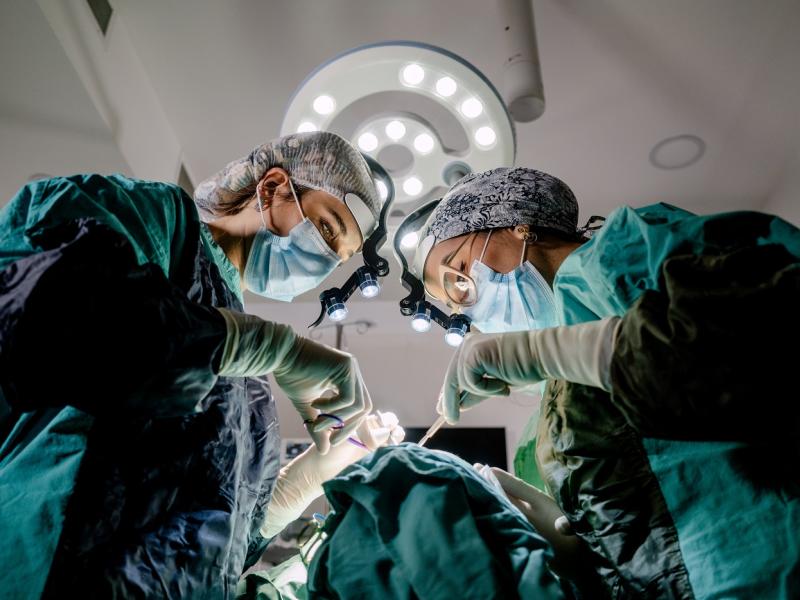
When tears are large, complete or unresponsive to conservative care, surgery may be needed to reattach the tendon to the bone.

Cold packs, warm compresses and nonsteroidal anti-inflammatory drugs (NSAIDs) can ease pain and swelling in the shoulder.
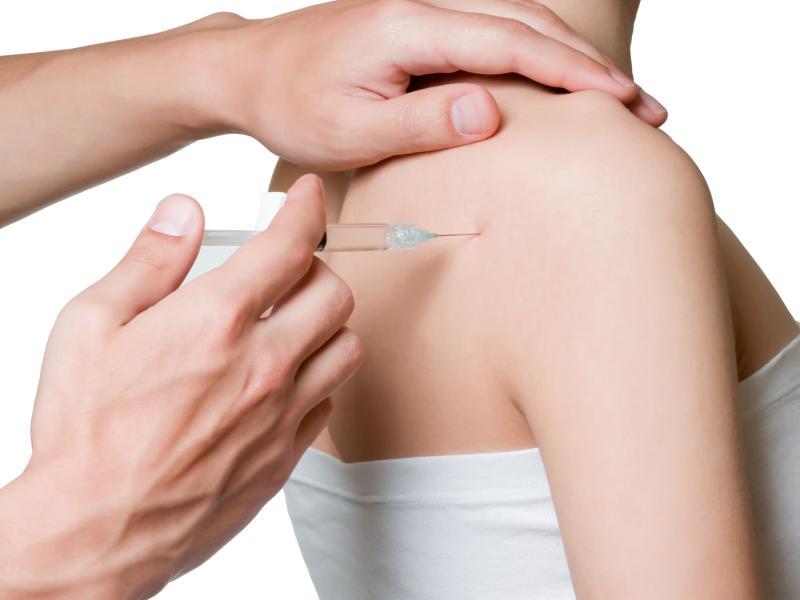
For persistent pain, injections directly into the shoulder joint may provide temporary relief and reduce inflammation.
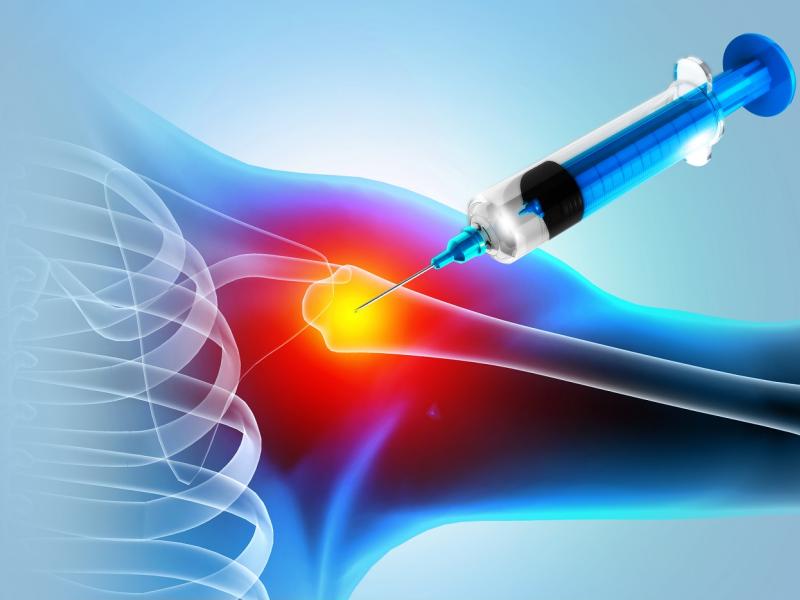
In some cases, PRP injections are used to stimulate tendon healing, though results may vary.

Rehabilitation after surgery is crucial for restoring strength and mobility. Recovery typically includes several months of structured Physical or Occupational Therapy.
Avoiding overhead or heavy lifting movements can help reduce strain on the shoulder and allow inflammation to subside.
Rotator cuff care at Inspira begins with a thorough evaluation to understand the extent of the injury and its impact on your daily activities. Our specialists create a personalized plan that may include activity modification, Physical/Occupational Therapy and advanced treatments to reduce pain and restore shoulder strength.
When surgery is required, our orthopedic surgeons and rehabilitation team work together to provide seamless, coordinated care. Post-surgical therapy focuses on rebuilding mobility, strengthening surrounding muscles and preventing reinjury. With access to certified rehabilitation clinicians and advanced therapies, we help patients regain function and return to work, hobbies or athletics with confidence.

A stroke took away Terry’s ability to read, speak clearly and walk on her own. She was certain her...
When a torn ACL kept student-athlete Penny Floyd on the sidelines, Inspira Rehabilitation Services...

Aphasia and dysarthria both affect communication, but aphasia impacts language while dysarthria...

Learn more about our online scheduling and schedule an appointment with your provider today.

We offer a wide variety of services at our many locations throughout New Jersey, including award-winning obstetrics and gynecology, cancer care and orthopedics.

World class care is in your backyard. Learn more about our local and nationally renowned physicians.