
A stroke took away Terry’s ability to read, speak clearly and walk on her own. She was certain her...

Tennis elbow can make simple tasks, such as gripping, lifting or turning a doorknob, painful and frustrating. With proper care, most people relieve pain, restore strength and return to daily activities without lasting issues.
Tennis elbow, also known as lateral epicondylitis, is a condition that causes pain and tenderness on the outside of the elbow. It develops when the tendons that attach the forearm muscles to the elbow become irritated or damaged, usually from repetitive gripping or lifting motions. Despite its name, tennis elbow affects people beyond athletes, including those who type, paint or use hand tools on a regular basis.
The condition is often linked to repetitive overuse of the wrist and forearm, which places stress on the tendons and causes tiny tears that lead to inflammation and pain. Risk factors include frequent participation in racquet sports, jobs that involve repetitive arm use, improper technique during activities and age, with most cases occurring in adults between 30 and 50 years old.
Symptoms of tennis elbow typically develop gradually, beginning with mild discomfort that worsens over time with repeated arm use. Pain is usually felt where the forearm tendons attach to the outside of the elbow. Symptoms may include:
Your doctor will ask about your symptoms and daily activities, then conduct a physical exam, possibly including Cozen’s test—extending your wrist against resistance to check for pain that indicates tennis elbow. Imaging tests like X-rays or MRIs may be ordered to rule out other causes. After diagnosis, treatment options will be discussed based on your needs.
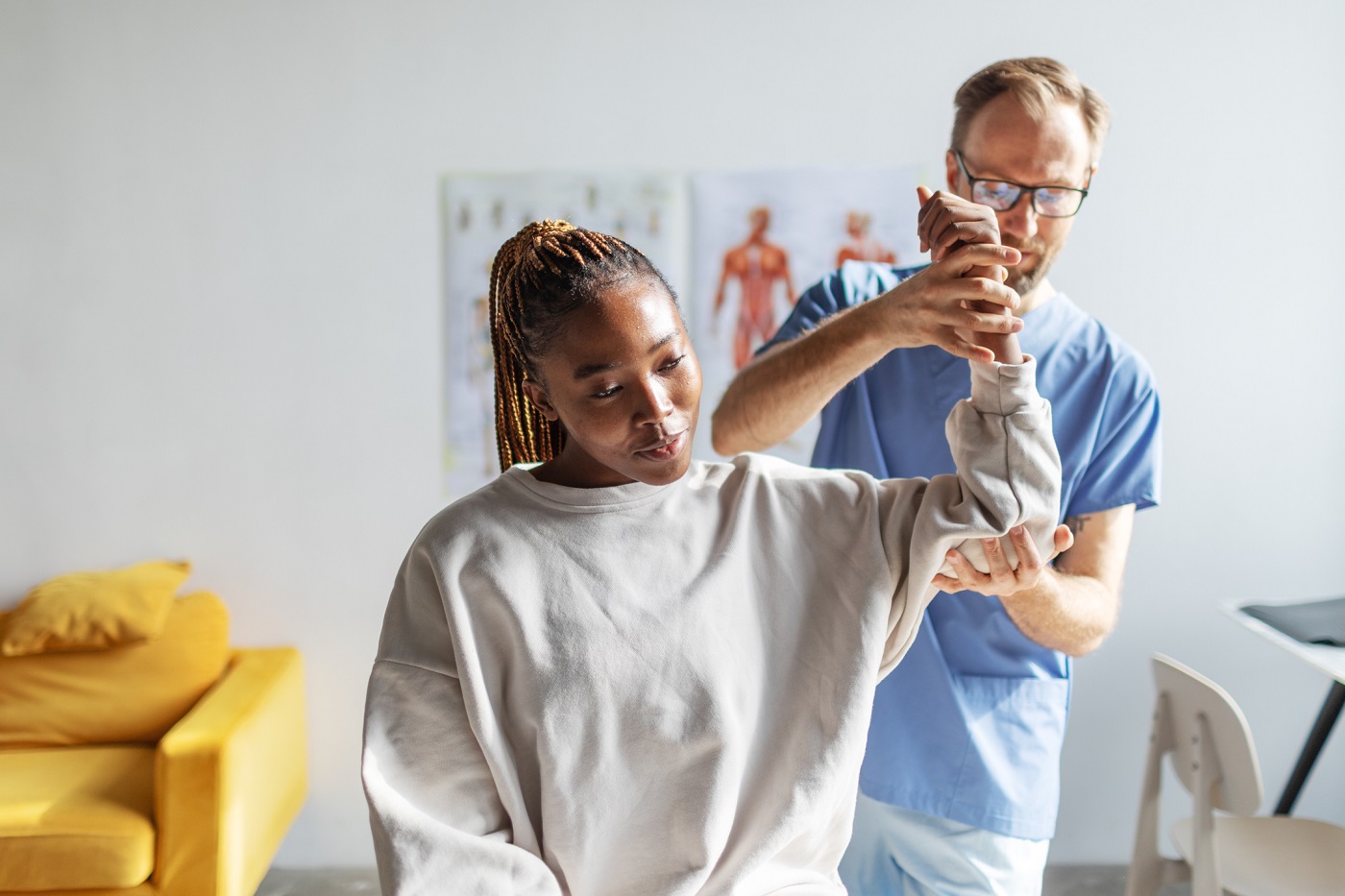

Targeted stretching and strengthening exercises improve flexibility and support tendon healing. Therapy may also include manual techniques and activity retraining.
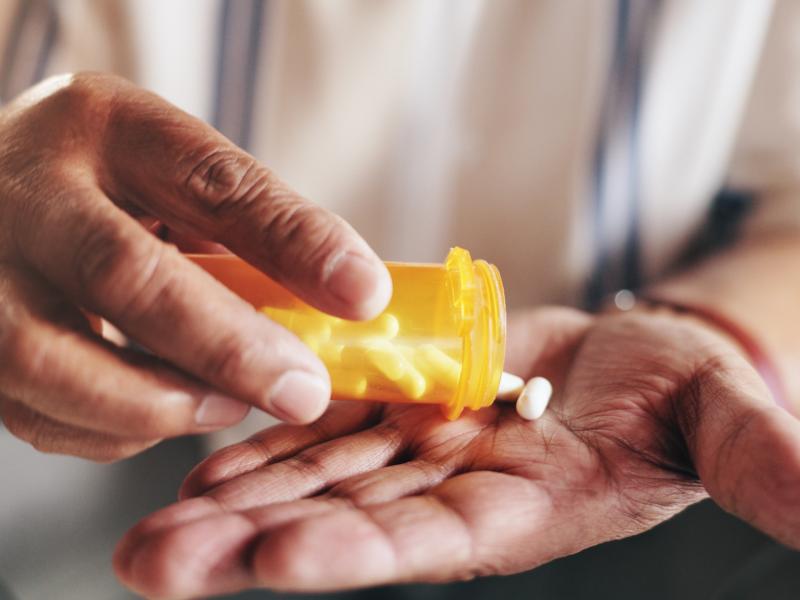
Applying ice packs and taking nonsteroidal anti-inflammatory drugs (NSAIDs) can reduce pain, swelling and discomfort in the elbow.
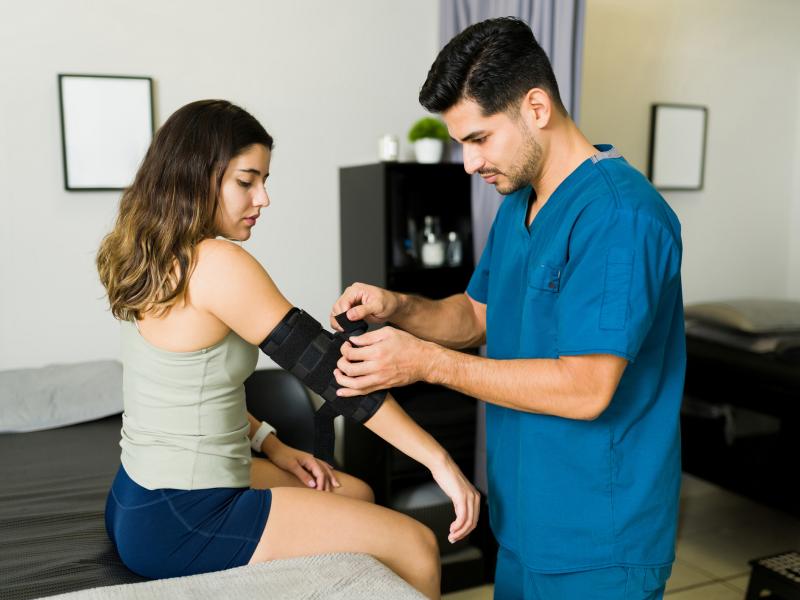
A counterforce brace or forearm strap can reduce strain on the tendon by redistributing pressure away from the injured area.
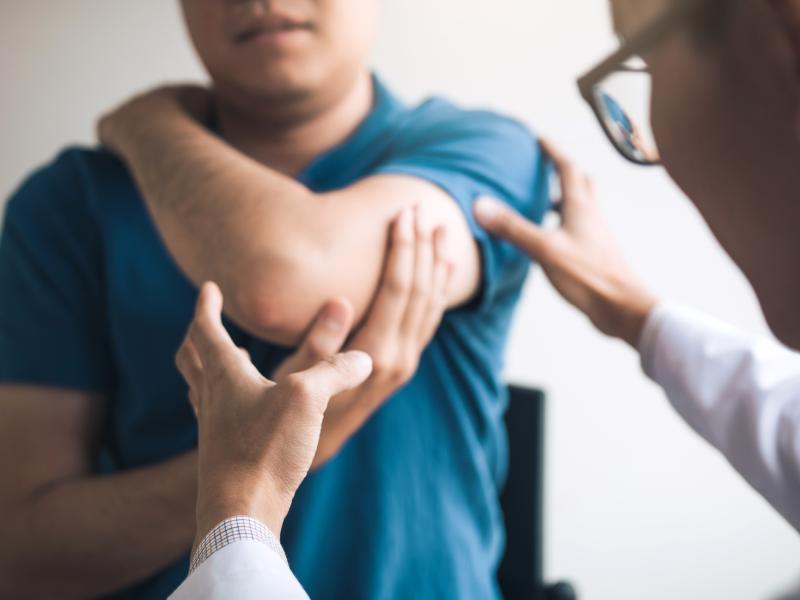
For persistent cases, corticosteroid or platelet-rich plasma (PRP) injections can reduce inflammation or stimulate healing in the tendon.
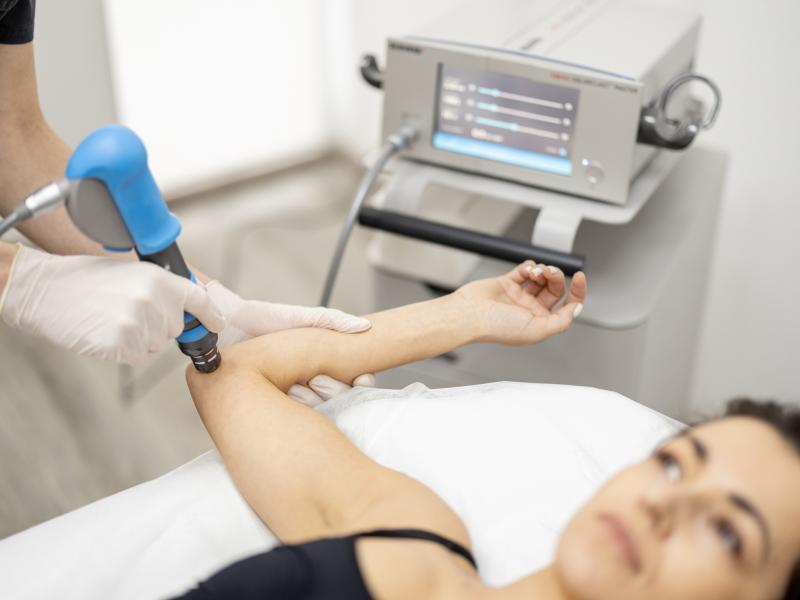
In some cases, sound wave treatments can promote blood flow and healing in the tendon tissue.
At Inspira, treatment for tennis elbow begins with a thorough evaluation to identify the cause of your symptoms and how they affect your daily life or athletic activities. Our team creates personalized care plans that may include rest strategies, Physical/Occupational Therapy and bracing to relieve pain while restoring strength and flexibility in the forearm.
For patients with persistent symptoms, our team works closely with orthopedic specialists to offer advanced therapies, including injections and surgery as needed. Throughout treatment, we focus on helping you recover safely and prevent recurrence by addressing both the injury and the activities that contribute to it. Our goal is to relieve pain, restore function and support your return to work, hobbies or athletics with confidence.

A stroke took away Terry’s ability to read, speak clearly and walk on her own. She was certain her...

When a torn ACL kept student-athlete Penny Floyd on the sidelines, Inspira Rehabilitation Services...

Aphasia and dysarthria both affect communication, but aphasia impacts language while dysarthria...

Learn more about our online scheduling and schedule an appointment with your provider today.

We offer a wide variety of services at our many locations throughout New Jersey, including award-winning obstetrics and gynecology, cancer care and orthopedics.

World class care is in your backyard. Learn more about our local and nationally renowned physicians.