


Energy drinks may contain vitamins, amino acids and herbal extracts that claim to boost performance...
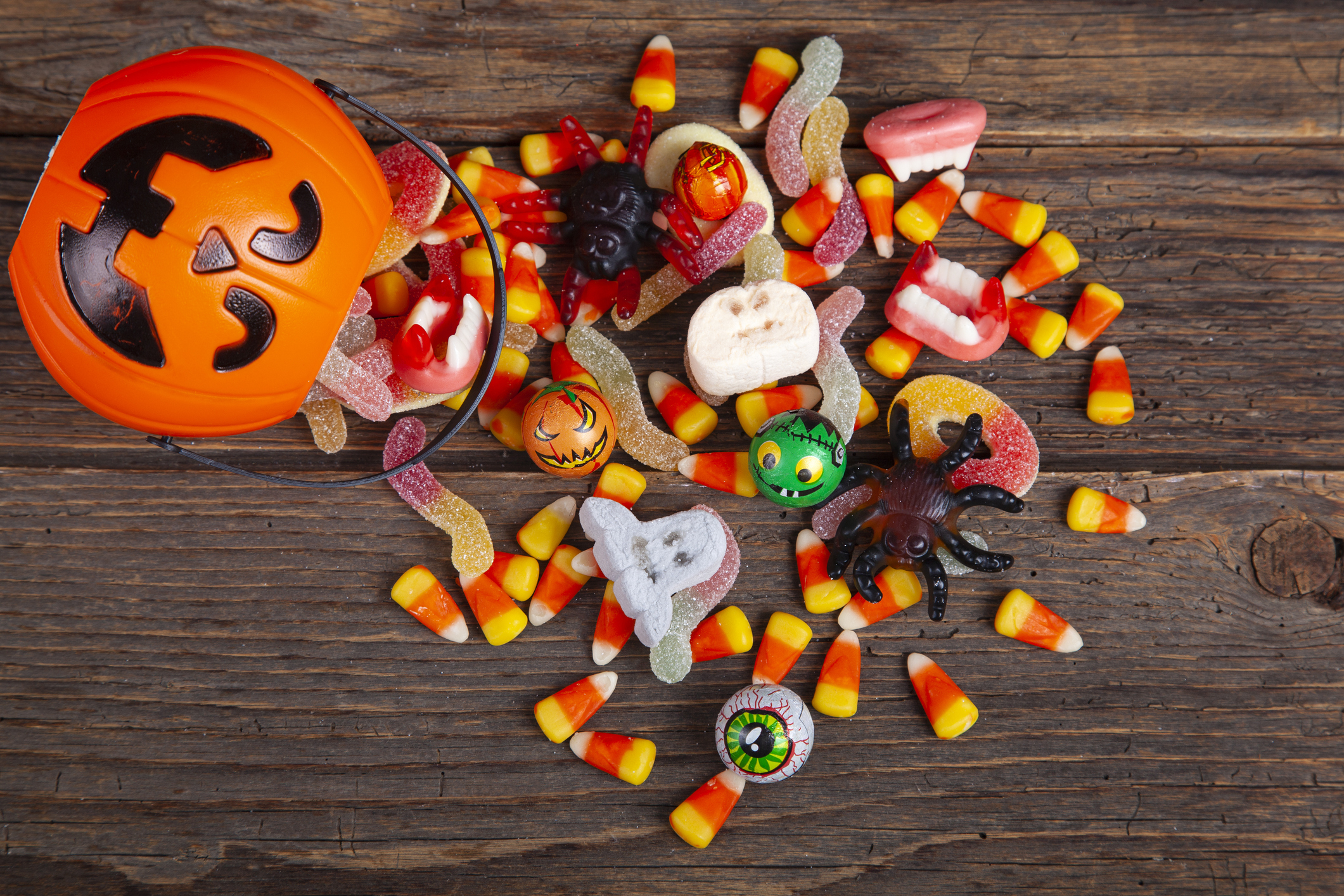
Halloween candy may look innocent in its colorful wrappers, but what’s hiding inside might surprise you.
Sugar isn’t always listed as “sugar” on ingredient labels. It goes by dozens of names, making it tricky to know just how much you’re really eating. Learning to spot hidden sugars is an important step toward protecting your health—not just during candy season, but year-round.
“Food manufacturers often use alternative names for sugar, both for taste and to make nutrition labels look less alarming,” said Jill Darminio, RD, CNSC, system clinical nutrition manager at Inspira Health. “Instead of ‘sugar,’ you might see terms like high-fructose corn syrup, dextrose, maltose, cane juice, agave nectar, molasses or fruit juice concentrate.” These are all forms of added sugar, even if the label makes them sound more natural.
Some foods even contain several different types of sugar, each listed separately, so that “sugar” doesn’t appear at the top of the ingredient list—even though the total amount may still be high.
“Sugar itself isn’t the enemy; our bodies use glucose, a simple sugar, for energy,” said Darminio. “But added sugars, which are not naturally found in foods like fruit or milk, can add up quickly and harm your health.” Diets high in added sugar have been linked to weight gain, type 2 diabetes, heart disease and dental problems.
Candy, soda, baked goods and sweetened cereals are some of the most common sources of added sugar. Around Halloween, it’s especially easy to underestimate how much sugar sneaks into your daily diet.
The nutrition facts panel on packaged foods now includes “added sugars,” listed in grams and as a percent of your daily value. “The American Heart Association recommends limiting added sugar to no more than 25 grams per day for women and those assigned female at birth (AFAB) and 36 grams for men and those assigned male at birth (AMAB),” said Darminio.
Ingredient lists can be more difficult to interpret. Anything ending in “-ose” (like glucose, fructose or maltose) is a form of sugar. Syrups and nectars are other red flags. If you see multiple forms of sugar listed, the product is likely very high in added sugars.
You don’t need to ban candy altogether to protect your health. Instead, focus on balance:
Enjoy in moderation: Savor one or two fun-sized treats instead of a handful
Halloween candy may be a seasonal indulgence, but hidden sugars can be found in everyday foods—from salad dressings and sauces to granola bars and flavored yogurts. “By learning to recognize the many names sugar goes by, you’ll be better equipped to make healthier choices for yourself and your family,” said Darminio.
Sugar doesn’t always wear a simple label. From high-fructose corn syrup to agave nectar, added sugars take many forms—and too much can impact your long-term health. By reading labels carefully and making small swaps, you can keep sugar from sneaking into your diet and enjoy Halloween without letting hidden sweets haunt your health.

Energy drinks may contain vitamins, amino acids and herbal extracts that claim to boost performance...

Dietary supplements are more popular than ever, but taking too many or the wrong combinations can...

Ultra-processed foods are everywhere, but eating them often can crowd out more nutritious choices...