


THC edibles can look like candy, making accidental ingestion a growing concern for families. Learn...
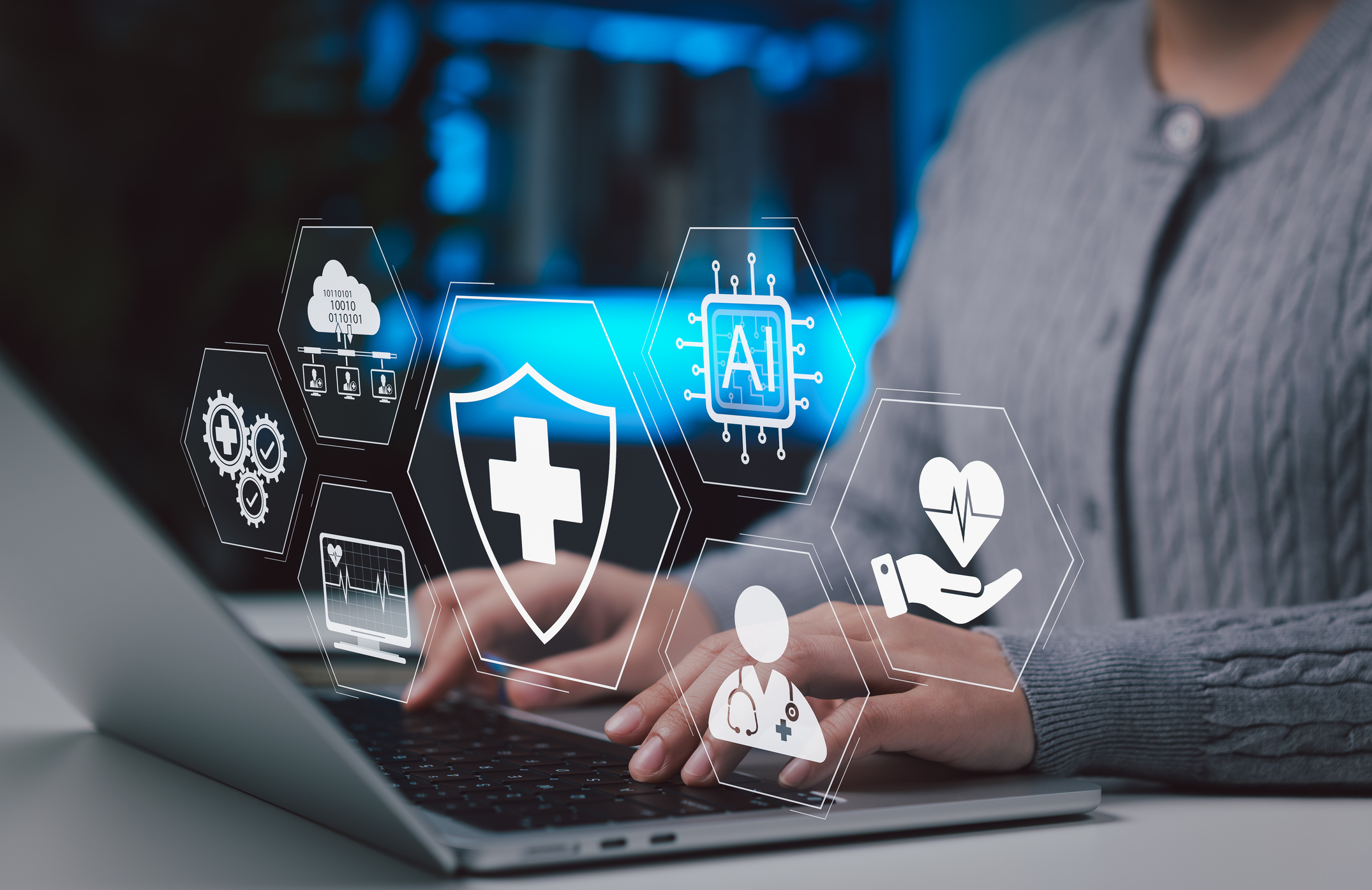
Artificial intelligence (AI) is becoming a common stop on the health care journey, promising quick clarity in moments of uncertainty. But medicine isn’t just about processing information; it’s about interpreting it, which is where AI still has limits.
While AI can support health care in powerful ways, relying on it alone can lead to missed context, misleading conclusions and delayed care. Understanding what AI can—and can’t—do helps ensure patients use these tools wisely.
AI analyzes patterns in large datasets. In health care, it can be incredibly useful for spotting trends across thousands of records or flagging possible issues that deserve attention. But AI doesn’t understand illness the way medical professionals do.
“AI can’t assess how symptoms unfold over time, how stress or social factors affect health or how multiple conditions interact in one person,” said Evelyn Balogun, M.D., Chief Medical Officer of Ambulatory Services at Inspira Health. “It also doesn’t have insight into your personal health baseline.” Your primary care provider weighs all of these factors during an appointment.
AI systems are only as good as the data used to train them. If certain populations are underrepresented in that data, AI-based recommendations may be less accurate for those groups. This can affect how symptoms are interpreted, how risk is calculated and which conditions are prioritized.
Doctors are trained to recognize these gaps and adjust their thinking. AI, on its own, cannot.
Many symptoms, such as fatigue, dizziness and abdominal pain, can point to dozens of possible causes. AI tools often list these possibilities without ranking real-world likelihood or accounting for what’s already been ruled out.
“During the diagnostic process, doctors don’t just ask, ‘What could this be?’ They ask, ‘What is most likely, what is dangerous and what needs to be addressed now?’” said Dr. Balogun. “That prioritization is critical in primary care and emergency settings, and it’s something AI struggles to do well.”
One of the biggest risks of relying on AI is misplaced confidence. An AI tool might suggest a serious diagnosis based on limited information or minimize symptoms that require immediate evaluation.
Health decisions are rarely binary. They require follow-up questions, physical exams, lab results and conversation.
When used correctly, AI enhances clinical care by supporting—rather than replacing—health professionals.
Within systems like your electronic medical record, AI tools help care teams by:
These tools operate in the background to assist and inform clinical judgment, not to replace the decisions made by health care professionals.
AI can help you prepare for an appointment or provide general information, but it should never replace talking with your doctor, especially when symptoms persist or worsen.
“If something doesn’t feel right, trust that instinct and seek medical care,” said Dr. Balogun. “Human judgment remains essential in health care, especially when decisions are complex or high-stakes.”
AI is a powerful tool, but it can’t replace clinical experience, contextual judgment or human connection. The best care comes from the partnership of advanced technology and skilled clinicians—each bringing unique strengths to your health journey.
Your health and well-being deserve nuanced, human understanding. While AI can be a valuable support tool in health care, it works best alongside a trusted team that knows your history, listens to your concerns and can apply clinical judgment in real time. When technology and human expertise work together, patients get safer, more personalized care.

THC edibles can look like candy, making accidental ingestion a growing concern for families. Learn...

Although cannabis is now legal in New Jersey, consuming too much or mixing it with other substances...

Tailgates, concerts and sporting events bring excitement, but they can also pose real safety risks...