


THC edibles can look like candy, making accidental ingestion a growing concern for families. Learn...
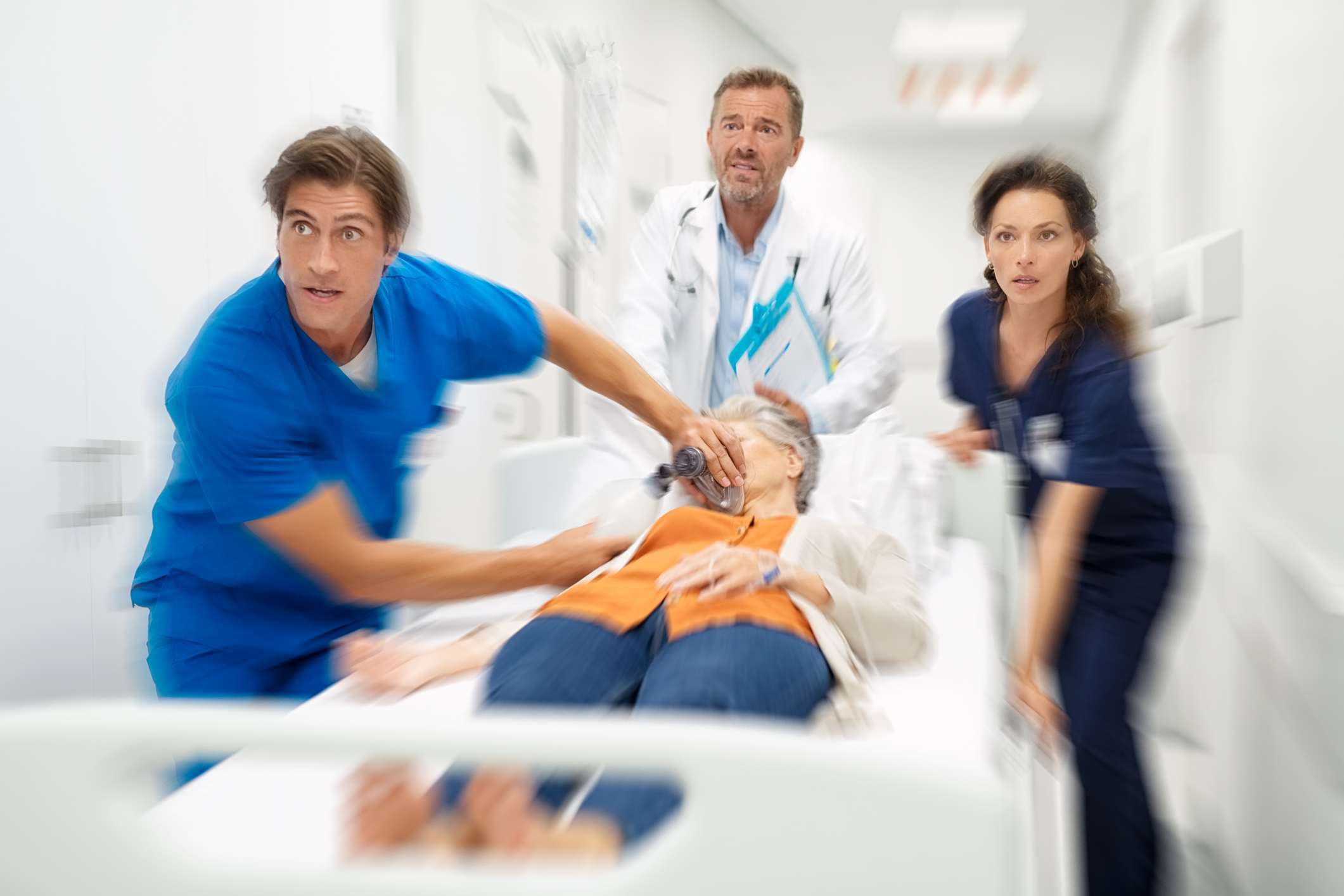
From miracle diagnoses to mysteries solved in minutes, TV dramas make emergency care look thrilling and unrealistically flawless. Although they’re entertaining, these shows often feature conditions that are rare or nearly impossible to encounter in real emergency departments.
In reality, emergency medicine relies on evidence-based care and careful evaluations, not dramatic guesswork. Let’s explore how some of TV’s most exaggerated medical tropes compare to the realities of emergency care.
“On screen, it seems as if every patient arrives with a baffling, once-in-a-lifetime illness that leaves doctors stumped,” said emergency medicine physician Brian Jerusik, D.O. “In reality, emergency departments encounter recurring medical patterns: infections, respiratory problems, abdominal pain, heart symptoms, injuries and dehydration.”
True medical “zebras” do occur, but they rarely show up out of nowhere or get solved in minutes. Most conditions are identified through standard evaluation, labs and imaging rather than the lightning-bolt diagnoses that make for good television.
TV doctors often claim to diagnose life-threatening conditions at a glance. In reality, even the most experienced clinicians need vital signs, labs, imaging, EKGs and a full patient history before making decisions.
“Emergency departments are designed to rule out emergencies, not to necessarily diagnose every issue a patient presents with,” said Dr. Jerusik. “For example, when presenting with chest pain, our work is centered around ruling out serious cardiac and pulmonary causes. Once we've ruled out the life-threatening causes, we may refer you to the appropriate follow-up to make a final diagnosis.”
Some conditions, such as a heart attack or stroke, require protocol-driven evaluations for timely, safe care. Speed matters, but accuracy matters more.
On screen, CPR almost always leads to dramatic recoveries. In practice, CPR is demanding and not always successful. Survival rates, though improving, are much lower than portrayed on television.
“Even when someone does survive cardiac arrest, recovery involves ongoing care, monitoring and, in many cases, long-term rehabilitation,” said Dr. Jerusik. “Emergency teams celebrate every success, but they also know the limits of what CPR can achieve.”
TV often shows patients extubated and chatting within minutes, as if they were waking from a nap. In reality, being on a ventilator is a major medical intervention, and waking up can cause confusion, weakness or discomfort for the patient.
Before removing a ventilator, care teams carefully assess their patient’s breathing, level of consciousness and overall infection risk. Recovery takes place gradually, with respiratory therapy, oxygen and close monitoring—not instantly as TV shows and movies often suggest.
Sudden throat-closing reactions make for a dramatic scene, but most allergic reactions in the real world begin with warning signs. Hives, swelling, itching or trouble breathing can develop minutes to hours after exposure.
Emergency teams know allergic reactions can range from mild to severe, and treatment depends on how the symptoms present. What TV often misses is the careful monitoring after the allergic reaction to make sure symptoms don’t return.
TV shows love blaming catastrophic symptoms on exotic toxins, mysterious parasites or uncommon diseases.
Emergency clinicians understand that most symptoms come from common issues, not rare illnesses or medical mysteries. Far more often, symptoms are the result of factors like dehydration, viral infections, medication side effects or chronic conditions.
TV often shows one heroic doctor performing exams, ordering tests, interpreting scans and single-handedly saving the day. In reality, emergency care is highly collaborative and relies on a coordinated team.
“Nurses, physician assistants, nurse practitioners, respiratory therapists, pharmacists, radiology technologists, physicians and more all work together,” said Dr. Jerusik. “This coordinated, team-based approach benefits every patient far more than the heroic solo efforts depicted on screen.”
While medical dramas keep viewers on the edge of their seats, real emergency care focuses on accuracy, safety and teamwork—not plot twists.
If you or a loved one develops unexpected symptoms, skip the TV logic and seek a real medical evaluation.
For experienced, evidence-based care, visit an Inspira Emergency Department location, open 24/7 when you need us most.

THC edibles can look like candy, making accidental ingestion a growing concern for families. Learn...

Although cannabis is now legal in New Jersey, consuming too much or mixing it with other substances...

Tailgates, concerts and sporting events bring excitement, but they can also pose real safety risks...