


THC edibles can look like candy, making accidental ingestion a growing concern for families. Learn...
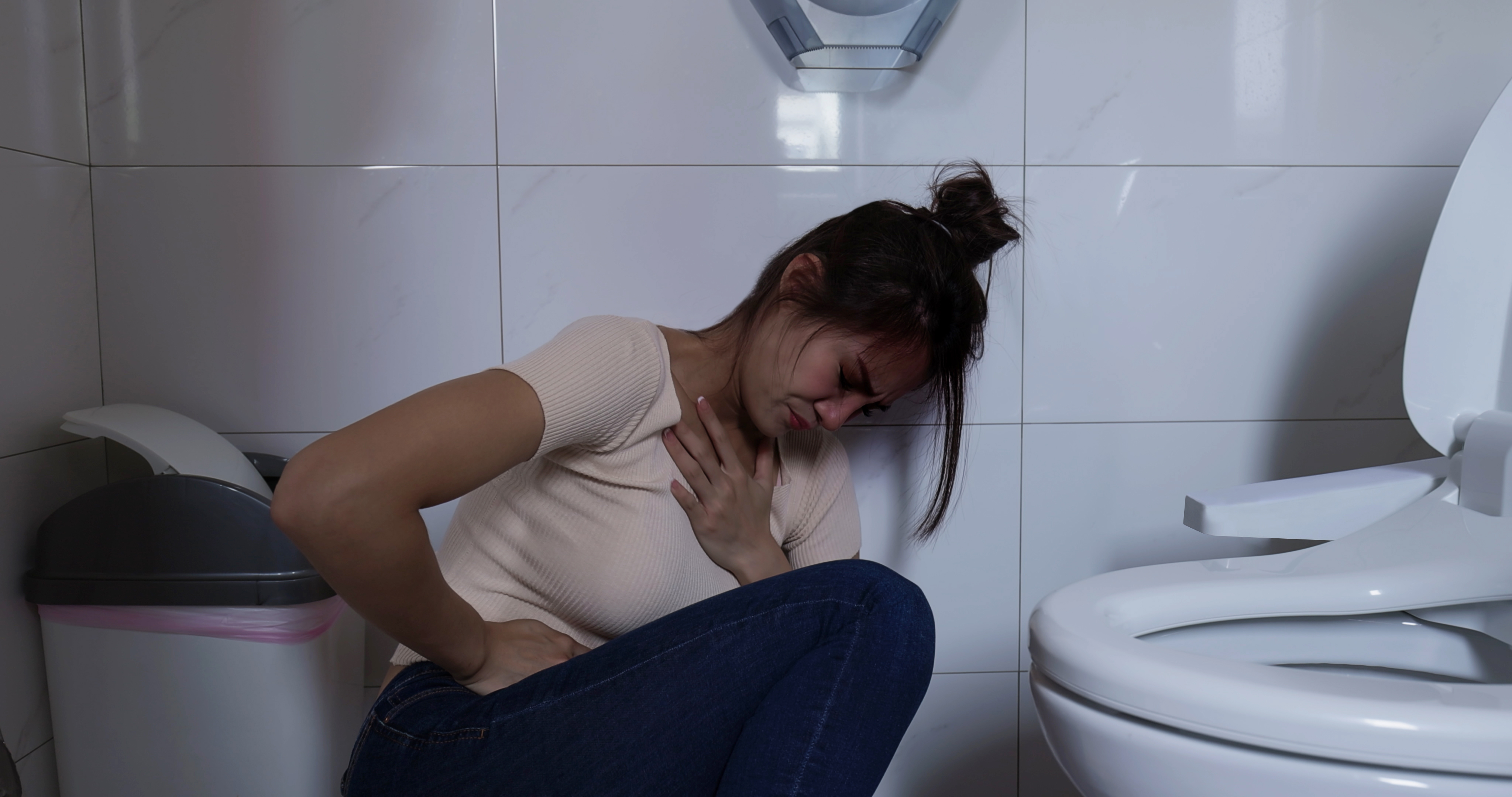
If it seems stomach bugs are spreading faster this winter, you’re not imagining it.
Norovirus—often called the “stomach flu,” though unrelated to influenza—surges in colder months and is among the most contagious viruses.
Causing sudden, intense vomiting and diarrhea, norovirus spreads rapidly in schools, workplaces, nursing homes and homes. Knowing how it spreads, what symptoms to watch for and how to recover helps limit its impact.
“Norovirus is a highly contagious virus that attacks the lining of the stomach and intestines, triggering acute gastroenteritis, or sudden inflammation of the digestive system,” said Tara Wyche Bullock, M.D., a primary care physician with Inspira Health. “This inflammation disrupts normal digestion and fluid absorption, leading to abrupt vomiting, diarrhea and abdominal pain.”
The virus spreads through close contact, contaminated food or surfaces and airborne droplets produced during vomiting. Even a trace of the virus can cause infection, which can lead to outbreaks escalating quickly, especially in shared environments.
Norovirus symptoms often come on fast Norovirus symptoms appear 12 to 48 hours after exposure and often start suddenly. Common symptoms include:
Vomiting is often frequent and forceful, earning norovirus its “super vomiting” label. Symptoms can be intense, but most people feel better within one to three days.
Norovirus is hard to contain. “It can survive for days on surfaces, resist common disinfectants and spread before symptoms appear,” said Dr. Wyche-Bullock. “That means someone can still be contagious even after they feel well again.”
Winter conditions also contribute to the spread of norovirus. More time indoors and closer contact in shared spaces make transmission easier during colder months.
Good hygiene is essential for norovirus prevention. Alcohol-based hand sanitizers do not work well against this virus, so washing hands thoroughly with soap and water is crucial.
To reduce your risk:
If someone in your household is ill, do not share towels, eating utensils or food, and immediately clean areas that may have been contaminated with vomit or feces.
There is no medication that cures norovirus. Treatment focuses on managing symptoms and preventing dehydration.
Most people can recover at home by:
“Contact your primary care doctor if symptoms are severe or prolonged, or if you notice signs of dehydration, such as dizziness, dry mouth, infrequent urination or confusion,” said Dr. Wyche-Bullock. “Seek urgent medical care for a high fever, severe abdominal pain, blood in the stool or if symptoms last longer than a few days.”
While norovirus is unpleasant, most people recover fully with supportive care. Staying informed and practicing good hygiene can help protect you, your family and your community during peak norovirus season.

THC edibles can look like candy, making accidental ingestion a growing concern for families. Learn...

Although cannabis is now legal in New Jersey, consuming too much or mixing it with other substances...

Tailgates, concerts and sporting events bring excitement, but they can also pose real safety risks...