


THC edibles can look like candy, making accidental ingestion a growing concern for families. Learn...
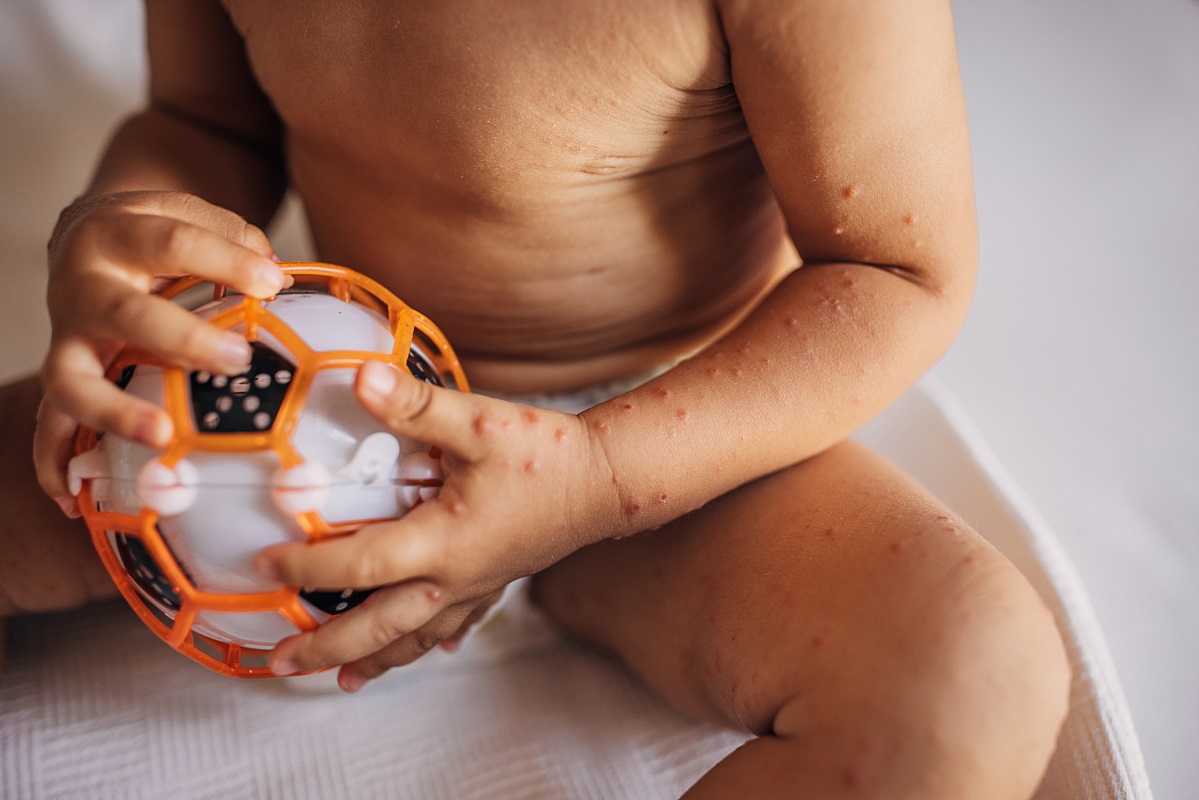
Hand, foot and mouth disease (HFMD) is a common viral illness that primarily affects children under five, especially in the fall and early winter months. While it often causes a rash that can look alarming, it’s usually mild and clears up on its own with at-home care.
“HFMD is caused by a group of viruses called enteroviruses, which commonly infect young children and can spread easily through close contact,” said Shannon Pan, M.D., a pediatrician and primary care physician with Inspira Health. “The virus passes through coughing, sneezing, saliva, nasal mucus, stool or fluid from blisters, which is why it’s so common in daycare and school settings where children share toys and interact closely.”
Symptoms typically start with:
Fever
Within a few days, children often develop painful mouth sores or ulcers on the tongue, gums or the inside of their cheeks, as well as small red spots or blisters on the palms, soles and sometimes the buttocks or legs.
The rash doesn’t usually itch, but it can make walking or eating uncomfortable. Most symptoms resolve within seven to 10 days.
“Because it’s viral, antibiotics don’t treat HFMD, and most children recover fully without complications,” said Dr. Pan. “Care focuses on keeping your child comfortable while the virus runs its course.”
To make your child more comfortable, you can offer plenty of fluids to prevent dehydration. Cold drinks or popsicles can also help soothe a sore mouth. You can also give your child acetaminophen or ibuprofen for fever or pain, following the dosing instructions specific to their age. Also, avoid spicy, salty or acidic foods that can irritate mouth sores.
While most cases are mild, you should contact your child’s pediatrician if they:
Your doctor can confirm the diagnosis and rule out other illnesses that cause similar symptoms.
Most children recover from HFMD without any problems, but there are a few uncommon issues to watch for. Occasionally, children may develop nail shedding, a temporary loss of fingernails or toenails, a few weeks after the illness. This can look concerning, but it is painless, and the nails grow back on their own. In very rare cases, certain strains of the virus can lead to viral meningitis or neurological symptoms, which may cause severe headaches, neck stiffness or unusual sleepiness.
“If your child’s symptoms worsen, if they develop signs of dehydration (e.g. decreasing frequency of wet diapers or not able to take in/keep down fluids), or if they experience persistent fever, severe headaches, confusion or have trouble walking, contact your pediatrician right away,” said Dr. Pan. “These complications are uncommon, but it’s important to seek medical care promptly if any symptoms seem out of the ordinary.”
Yes, but it’s much less common. Adults can catch the virus through close contact with infected children, but they usually experience milder symptoms. Practicing good hygiene and avoiding direct contact with blisters or saliva can help protect the whole family.
Because there’s no vaccine for HFMD, prevention depends on everyday hygiene habits. Teach your child to wash their hands thoroughly, keep their hands away from their face and cover their mouth when coughing or sneezing. Regular cleaning of shared toys and surfaces, especially during cold and flu season, can also help keep germs at bay.
HFMD can spread quickly, but by recognizing the symptoms early and taking preventive steps, you can keep your child comfortable and help stop the virus from spreading at home or school.

THC edibles can look like candy, making accidental ingestion a growing concern for families. Learn...

Although cannabis is now legal in New Jersey, consuming too much or mixing it with other substances...

Tailgates, concerts and sporting events bring excitement, but they can also pose real safety risks...