


THC edibles can look like candy, making accidental ingestion a growing concern for families. Learn...
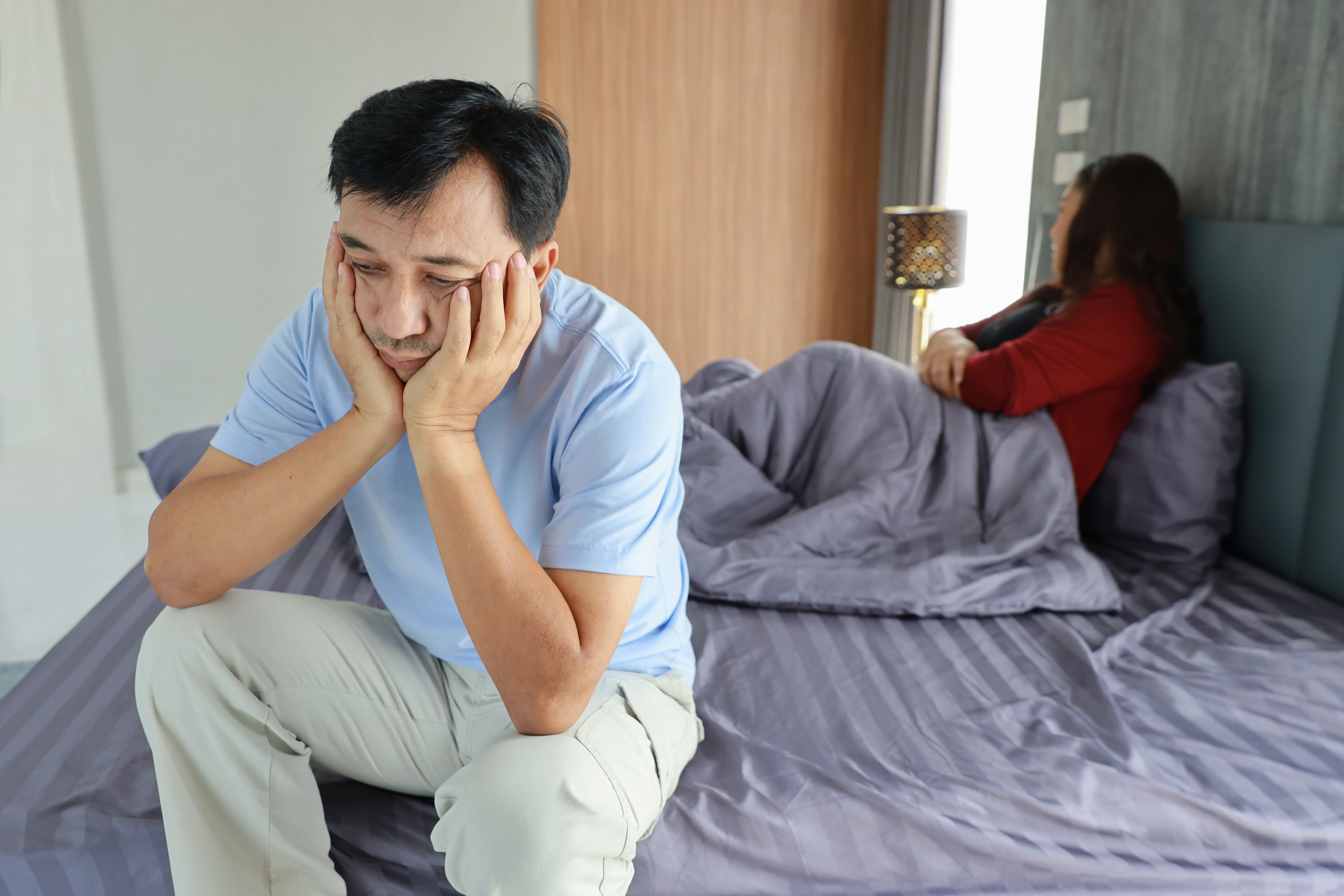
Men’s pelvic health is about more than urinary problems or sexual function; it’s a window into overall well-being.
“Low testosterone can influence energy, mood, muscle mass and sexual desire,” said Emmanuel Amofah, D.O., a primary care physician at Inspira Health. “Those changes often ripple into pelvic health, affecting erections, bladder habits, pelvic pain and intimate relationships.”
Knowing the signs, what to ask your doctor and the treatment options available can help you take control and feel like yourself again.
Low testosterone doesn’t always announce itself with dramatic symptoms. More often, people notice a gradual decline in energy or interest that they shrug off or attribute to aging.
Common warning signs include:
From a pelvic health perspective, low testosterone can make sexual difficulties like weaker erections or reduced desire more likely, and those changes can affect confidence and relationships. Low testosterone can also coexist with, and sometimes worsen, pelvic floor tension, chronic pelvic pain or urinary symptoms such as urgency or a weak stream.
“Because these symptoms overlap, a proper diagnosis starts with a conversation with your doctor that connects the dots between mood, energy, sexual health and urinary or pelvic symptoms,” said Dr. Amofah.
Evaluation typically begins with a focused medical history and a blood test. Testosterone levels naturally fluctuate, so doctors often order morning bloodwork and may repeat tests to confirm a diagnosis. They might check related hormones and screen for conditions that commonly accompany low testosterone, such as diabetes or sleep apnea. Medication reviews are also vital because some drugs can lower testosterone levels.
Treatment is individualized. Lifestyle changes—regular strength training, weight loss when appropriate, improved sleep habits and limiting alcohol—can raise testosterone and improve pelvic health for many. If lifestyle changes and treating reversible causes aren’t enough, testosterone replacement therapy (TRT) is an option for those with confirmed low levels and ongoing symptoms. TRT comes in several forms and carries benefits and potential risks that your doctor can review with you.
“If you experience pelvic pain, urinary problems or erectile dysfunction, your doctor may recommend urology care or pelvic floor physical therapy alongside hormonal treatment,” said Dr. Amofah. “In some cases, medications for erections or targeted procedures for prostate or bladder conditions form part of a combined plan.”
Schedule an appointment with your primary care doctor if you experience ongoing or worsening symptoms that affect your quality of life. Seek urgent care for sudden testicular pain, sudden inability to urinate or severe pelvic pain. If you start hormone therapy, plan regular follow-up appointments so your doctor can monitor side effects, check blood counts and follow prostate health recommendations.
You don’t have to navigate low testosterone concerns alone. Talk to your primary care doctor, who can evaluate your symptoms, order diagnostic tests or refer you to a urologist or endocrinologist for specialized treatment if needed.
Early evaluation often leads to treatment that can improve energy, sexual function and pelvic comfort, and help you get back to the things that matter. If you experience symptoms of low testosterone, schedule an appointment to discuss your symptoms and personalized options.
Schedule a primary care appointment at Inspira.

THC edibles can look like candy, making accidental ingestion a growing concern for families. Learn...
Although cannabis is now legal in New Jersey, consuming too much or mixing it with other substances...

Tailgates, concerts and sporting events bring excitement, but they can also pose real safety risks...