
Sleep apnea, a common sleep disorder characterized by interruptions in breathing during sleep...

Your quality of sleep can tell you a lot about your health. If you frequently wake up during the night, have difficulty staying asleep, struggle with daytime fatigue, snore or even stop breathing in your sleep, you might have a condition called sleep apnea.
Sleep apnea is a potentially serious disorder that causes your breathing to become interrupted repeatedly during sleep. There are several types of sleep apnea, but the most common is obstructive sleep apnea, or OSA, which occurs when there is a blockage in your airway that reduces or completely cuts off airflow.
Because sleep is crucial to nearly every bodily function, system and organ, obstructive sleep apnea can elevate your risk for other conditions, or complicate existing ones, such as diabetes, cardiovascular disease and more.
Several cardiovascular conditions can occur with untreated obstructive sleep apnea. For example, if you have obstructive sleep apnea, you are more likely to have high blood pressure (hypertension) or difficulty controlling your blood pressure. Among hypertension sufferers, about 30 percent have OSA. If you have OSA, there is a 50 percent chance you also have hypertension.
Symptoms of obstructive sleep apnea can be mild or severe, ranging from loud snoring and excessive daytime sleepiness to more serious signs such as high blood pressure, decreased libido and even depression. Common symptoms include:
To test for OSA, your physician may refer you to a specialist to conduct a sleep apnea test. An in-lab polysomnogram, or sleep study, is a comprehensive test that transmits and records specific physical activities while you sleep, such as your heart rate and rhythm, sleep pattern, breathing, brainwave activity, eye movement and oxygen levels, through a series of electronic sensors placed on your legs, head and chest. Alternatively, a home study may be ordered, which can be accomplished easily in the comfort of your own home.
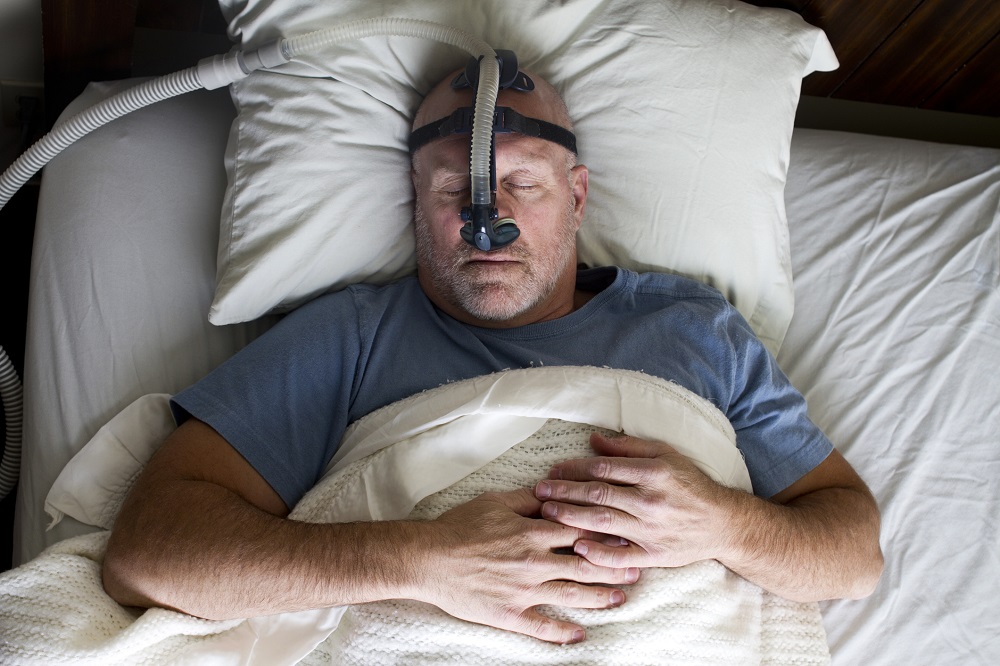
If you are diagnosed with OSA, there are a variety of potential treatments your doctor may recommend, based on the severity of your condition. Treatment options include:
A device that forces air through your nose and/or mouth to ensure you get enough oxygen as you sleep.
Mild sufferers may receive a dental appliance that keeps your tongue from blocking your airway, or an oral mandibular device that brings your lower jaw forward to improve airflow.
In cases where a device or other therapy won’t resolve the issue, surgery may be necessary to remove excess tissue, reconstruct the jawbone or facial muscles, or otherwise make adjustments to open up the throat.
At Inspira, our experienced providers understand the importance of a good night’s sleep to your overall health. Screening for sleep apnea is the first line of defense to improving your sleep, and with six sleep centers across South Jersey, it’s easy to get the care you need close to home.
Our licensed polysomnographers and sleep specialists can guide you through the diagnotic process and identify the treatment that’s right for you—whether it’s a CPAP machine, surgery, a dental device, Inspire device or lifestyle changes.
Sleep apnea, a common sleep disorder characterized by interruptions in breathing during sleep...

Mouth taping is a practice that promotes nasal breathing during sleep, which may improve sleep...

Waking up in the middle of the night can be frustrating, but picking up your phone or trying to...

Learn more about our online scheduling and schedule an appointment with your provider today.

We offer a wide variety of services at our many locations throughout New Jersey, including award-winning obstetrics and gynecology, cancer care and orthopedics.

World class care is in your backyard. Learn more about our local and nationally renowned physicians.