


A stroke took away Terry’s ability to read, speak clearly and walk on her own. She was certain her...

For people living with Parkinson's disease, the condition's effects on movement and communication can make everyday tasks feel like a challenge. Tremors, stiffness and slowed movement can limit independence, while changes in voice volume and clarity can make it harder to connect with the people who matter most.
The good news is that specialized, research-backed therapies are helping people with Parkinson's regain strength, mobility and confidence—and the earlier someone starts, the better the outcomes tend to be.
LSVT BIG and LSVT LOUD are two of the most widely studied and clinically supported treatment programs developed specifically for people living with this condition.
LSVT BIG is a physical and occupational therapy program that focuses on large, intentional movements. “Because Parkinson's often causes the brain to underestimate the amount of movement actually produced, patients frequently move in smaller, more restricted ways without realizing it,” said Charles Scapellato, PT, MPT, a physical therapist at Inspira Health. “LSVT BIG retrains the brain and body to produce bigger, more normal movements, thereby improving balance, walking speed, coordination and the ability to perform everyday activities like getting dressed or rising from a chair.”
LSVT LOUD takes a similar approach but targets the voice. Many people with Parkinson's develop hypophonia, a condition where the voice becomes soft and difficult to understand. LSVT LOUD uses high-effort vocal exercises to strengthen the voice and train the brain to recognize what a normal volume feels like. The result is a clearer, more projected voice without straining.
Both programs are intensive. Each is typically delivered four days a week for four consecutive weeks, with daily practice assignments to reinforce progress. This structure is intentional: Repetition and intensity drive lasting neurological change.
These programs are appropriate for people at various stages of Parkinson's disease. “Those in the early stages can use LSVT BIG and LSVT LOUD to stay ahead of functional decline, while individuals further along in their diagnosis can work to restore abilities that have changed over time,” said Kristin Siena, MA CCC-SLP a speech language pathologist at Inspira Health. “People who have noticed differences in their walking, posture, handwriting, facial expression or voice are often strong candidates.”
Caregivers and family members sometimes notice these changes before patients do. A quieter voice, a shuffling gait or difficulty getting up from furniture can all be early signals that rehabilitation could help.
Parkinson's is a progressive condition, which means symptoms tend to change over time. “Starting targeted therapy early gives the nervous system the best opportunity to adjust and build new movement patterns before a significant decline happens,” said Scapellato. “People who begin these therapies earlier in their diagnosis may be able to maintain higher levels of independence and improved quality of life for longer.”
That said, it is never too late to benefit. Even those who have been living with Parkinson's for many years can experience meaningful improvements through these programs.
If you or someone you love has been diagnosed with Parkinson's disease, connecting with a rehabilitation team trained in LSVT BIG and LSVT LOUD is a meaningful step toward maintaining independence and communication. A rehabilitation specialist can conduct an evaluation and help determine whether these programs are the right fit.
Living well with Parkinson's is possible, and the right therapy can make a huge difference.
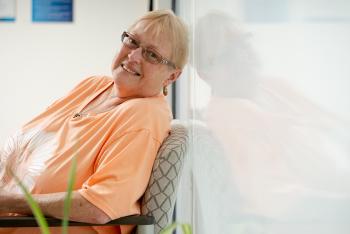
A stroke took away Terry’s ability to read, speak clearly and walk on her own. She was certain her...
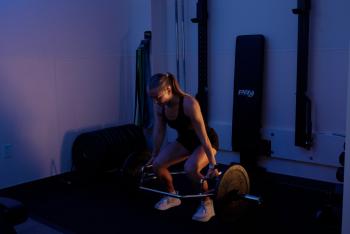
When a torn ACL kept student-athlete Penny Floyd on the sidelines, Inspira Rehabilitation Services...

Aphasia and dysarthria both affect communication, but aphasia impacts language while dysarthria...