


A stroke took away Terry’s ability to read, speak clearly and walk on her own. She was certain her...
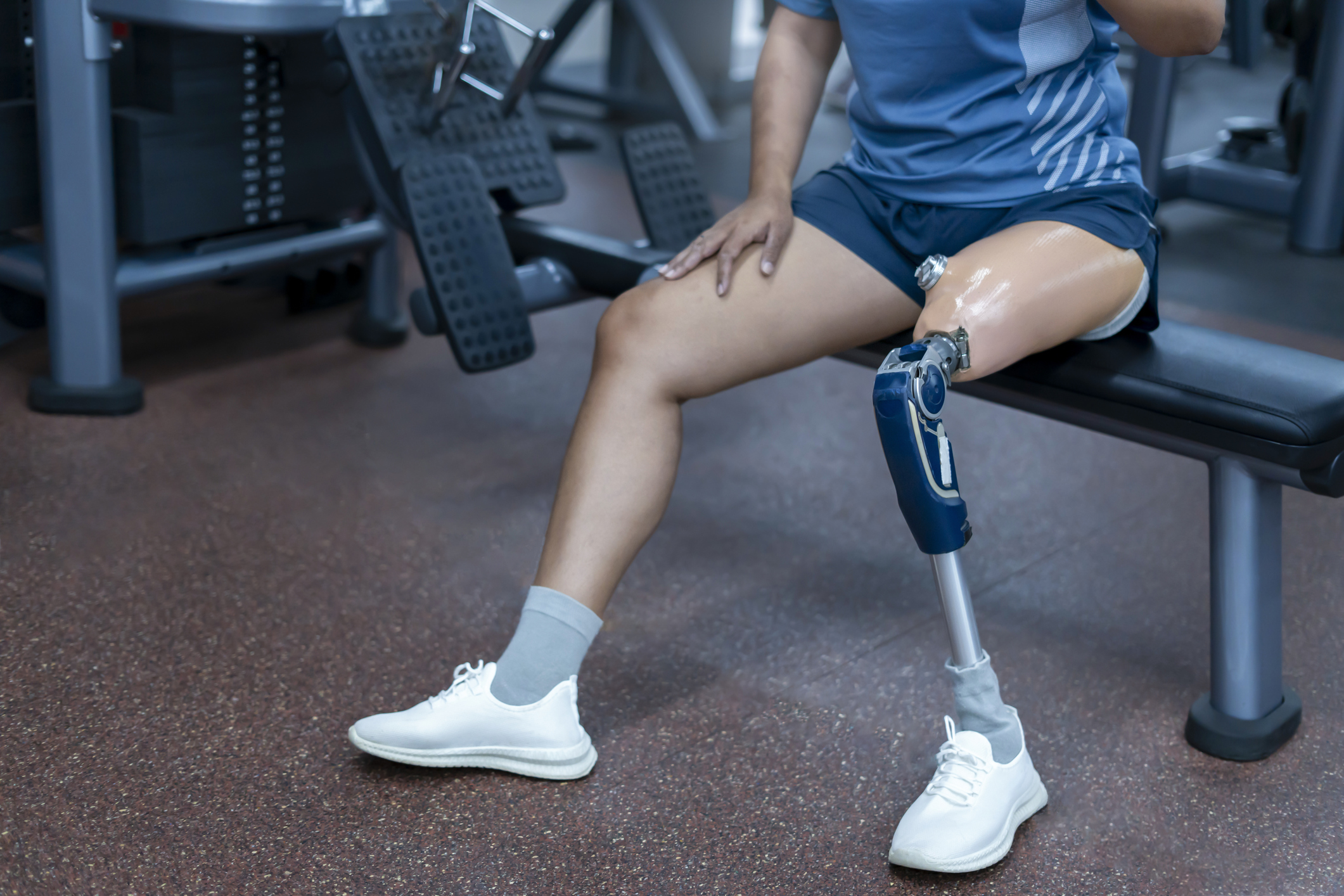
Limb loss can bring significant physical and emotional changes, but with the right support and rehabilitation strategies, many people regain independence and confidence in daily life.
Recovery involves more than adjusting to a prosthesis. It includes strengthening the body, adapting routines and learning new ways to move comfortably and safely. If you or a loved one is navigating life after an amputation, these practical tips can help support mobility, resilience and long-term well-being.
Therapy is key to recovery after limb loss. Working with rehabilitation specialists can help you rebuild strength, improve balance and learn safe ways to move through everyday activities.
“Rehabilitation therapists can also guide patients through exercises that prepare the body for prosthetic use, improve endurance and prevent strain on other joints and muscles,” said Elizabeth Forbes, PT, DPT, a physical therapist at Inspira Health.
Muscle strength and stability are essential for mobility after amputation. Rehabilitation programs often focus on strengthening the core, the hips and the remaining limb to improve balance and posture.
Simple exercises, such as seated leg lifts, resistance-band movements and supported standing exercises can help rebuild strength gradually. Starting slow and increasing activity over time, with guidance from your care team, helps your body adjust and lowers the risk of injury.
Daily routines will look different after limb loss. “Rehabilitation specialists can show you practical techniques to make activities like dressing, cooking or bathing easier and safer while maintaining as much independence as possible,” said Forbes.
Small changes, such as reorganizing frequently used items, using assistive devices or modifying movement patterns can make daily routines more manageable while preserving independence.
Many people experience phantom limb sensations or phantom limb pain after amputation. These sensations may feel like tingling, pressure or pain in the area where the limb once was.
Strategies that may help include massaging the residual limb, mirror therapy, desensitization exercises and prescribed medications when needed. A rehabilitation specialist can help determine which approaches are most effective.
A properly fitted prosthesis can make a big difference in how comfortable and confident you feel as you move through daily life. Regular check-ins with your prosthetist allow for adjustments as your body changes during recovery.
“Caring for your residual limb is just as important,” said Forbes. “Keeping the skin clean and watching for irritation, redness or pressure spots can help prevent problems that might make it harder to wear your prosthesis comfortably.”
Recovery after limb loss often involves emotional adjustment as well as physical healing. It’s normal to experience a range of emotions, including frustration, grief or anxiety about the future.
Connecting with peer support groups, counseling services or rehabilitation specialists can help individuals process these feelings and build confidence as they adapt to new routines.
Maintaining an active lifestyle can improve physical health and emotional resilience. Many people return to hobbies, sports and everyday activities after rehabilitation.
“Setting realistic goals and celebrating progress along the way can help maintain motivation,” said Forbes. “Over time, many individuals find new ways to stay active and engaged in the activities they enjoy.”
Life after limb loss comes with challenges, but rehabilitation and supportive care can help you regain mobility and independence. With the right strategies, resources and care team, many people discover new strength and resilience as they move forward.

A stroke took away Terry’s ability to read, speak clearly and walk on her own. She was certain her...
When a torn ACL kept student-athlete Penny Floyd on the sidelines, Inspira Rehabilitation Services...

Aphasia and dysarthria both affect communication, but aphasia impacts language while dysarthria...