


A stroke took away Terry’s ability to read, speak clearly and walk on her own. She was certain her...
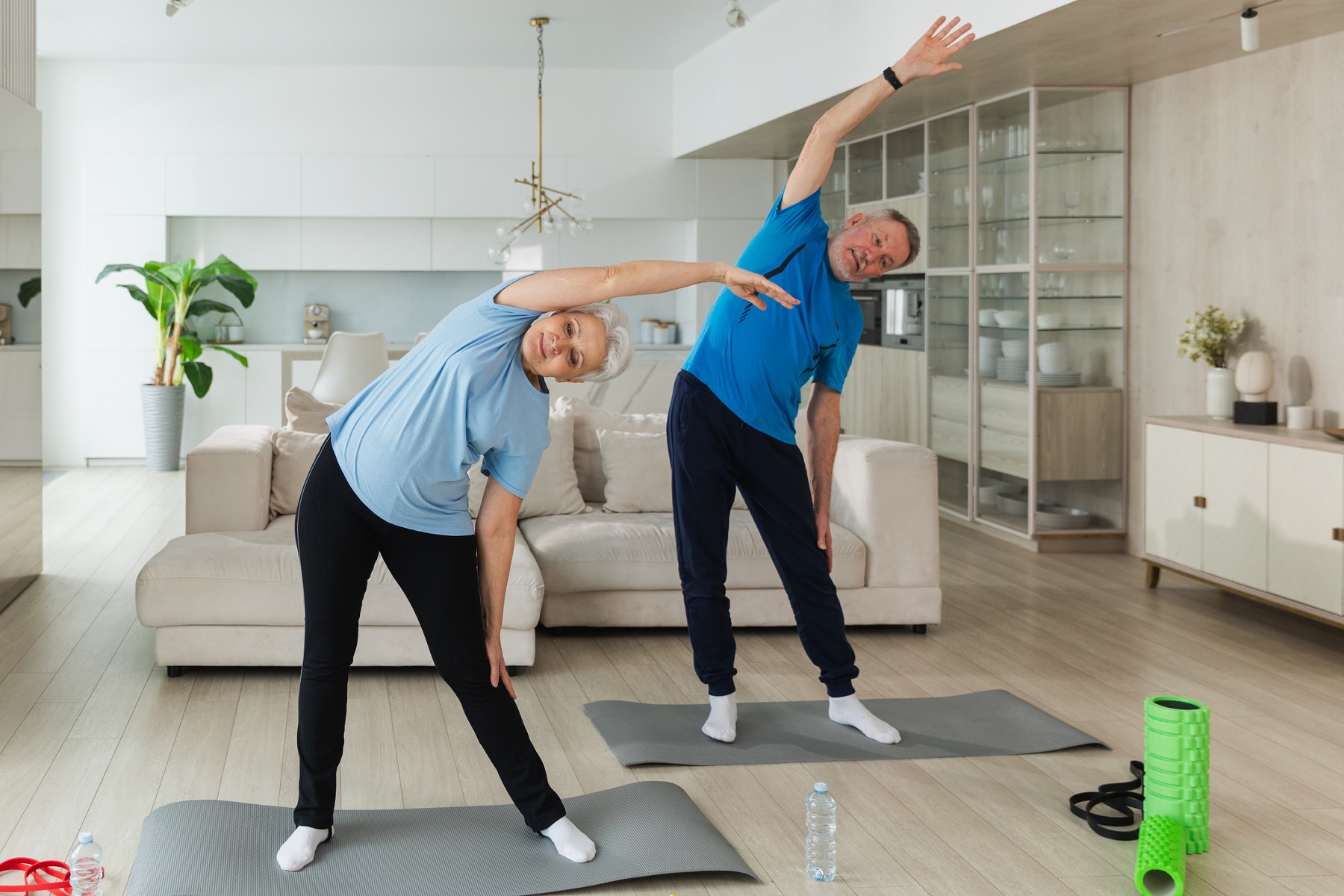
Continuing rehabilitation activities at home is vital to achieving optimal recovery and returning to a fulfilling, functional lifestyle.
Recovery after an injury or surgery is a journey that often extends beyond hospital walls. Physical rehabilitation sets the foundation of your healing process, and continuing rehab at home through a personalized recovery plan developed by your doctor is crucial. It helps you recover faster and get back to doing the things you love.
Here are some benefits of practicing home-based, personalized rehabilitation exercises after an injury or surgery:
Everyone has their own idea of what they want to accomplish with rehab. Some may want to play with their grandchildren, while others may aim to walk their child down the aisle at their wedding or even train for a marathon. A personalized recovery plan caters to your individual goals, needs and circumstances. It addresses specific challenges and allows you to work at your own pace.
“When a recovery plan is tailored to a patient’s unique needs, abilities and goals, we often see faster progress and improved outcomes," said Kristen Marsh, P.T., D.P.T., a physical therapist at Inspira Sports Rehab Care Vineland.
Integrating rehabilitation exercises into daily life is easier when you can carry out a personalized recovery plan at home. People can perform exercises during routine activities, such as brushing their teeth, showering or putting away groceries, which makes rehabilitation and the benefits of the exercises more sustainable and long-lasting.
“Recovery should not be an isolated phase but an integrated part of your lifestyle, and personalized plans facilitate this integration,” said Marsh.
Home-based rehabilitation offers flexibility that a clinical setting cannot. By scheduling exercises and therapies around your own timetable, it becomes easier to maintain consistency and balance with your other responsibilities. Continuing rehabilitation in the safety and comfort of your home helps you adhere to your plan and exercise more consistently. Being at home can also reduce anxiety and boost your motivation to participate regularly, leading to better recovery outcomes.
Home‑based rehabilitation cuts out common obstacles, such as travel time or scheduling conflicts, that can limit progress. When your exercises are just a few steps away, it’s easier to stay on track—even on busy days.
“When patients bring rehabilitation into their own space, they often report fewer missed sessions and a smoother path to recovery,” said Marsh.
Home‑based rehab empowers you to take ownership of your recovery journey. When you learn to recognize your body’s signals and adjust exercises on your own, you build confidence in your abilities. And that confidence often translates into better long‑term adherence. This sense of mastery can carry over into daily activities, helping you feel more independent and capable as you resume your regular routine.
“Patients who take an active role in their home exercise program frequently experience a greater sense of independence and confidence in managing their own progress,” said Marsh.
By embracing and committing to personalized recovery plans, you can expedite your recovery, regain functionality and improve your overall quality of life.
Learn more about physical therapy and rehabilitation at Inspira.

A stroke took away Terry’s ability to read, speak clearly and walk on her own. She was certain her...

When a torn ACL kept student-athlete Penny Floyd on the sidelines, Inspira Rehabilitation Services...

Aphasia and dysarthria both affect communication, but aphasia impacts language while dysarthria...