


Respiratory syncytial virus (RSV) is a common respiratory infection that can be serious for infants...

Pneumonia is a lung infection that can range from mild to life-threatening. It affects millions of people in the United States each year and is one of the most common reasons adults are hospitalized.
While anyone can get pneumonia, it’s especially risky for older adults, young children and people with chronic health conditions.
“Pneumonia can range from a simple infection to a severe illness that requires hospitalization,” said Krystal Green, M.D., a physician with Inspira Medical Group Primary Care. “Recognizing symptoms early and getting timely treatment can make all the difference.”
Pneumonia happens when the tiny air sacs in your lungs (alveoli) become inflamed and fill with fluid or pus. This inflammation makes it difficult for your body to get enough oxygen, leading to coughing, fever and shortness of breath.
There isn’t just one cause of pneumonia. In fact, it can result from several different types of germs, including:
Bacteria: The most common cause of pneumonia in adults is Streptococcus pneumoniae.
Viruses: Illnesses like the flu, RSV and COVID-19 can sometimes progress into viral pneumonia.
Fungi: Fungal infections can cause pneumonia, particularly in people with weakened immune systems.
Aspiration: Inhaling food, drink or vomit into the lungs can lead to aspiration pneumonia.
“The type of germ that causes pneumonia helps guide treatment,” said Dr. Green. “That’s why it’s important for your provider to identify the cause before starting medication.”
Pneumonia symptoms can vary depending on your age, overall health and the type of infection. Some people develop symptoms suddenly, while others notice a gradual worsening after a cold or the flu.
Common symptoms include:
A cough that produces mucus
Fever, chills or sweating
Shortness of breath or rapid breathing
Chest pain that worsens when you breathe deeply or cough
Fatigue, weakness or loss of appetite
Older adults or people with weakened immune systems may experience subtler symptoms, such as confusion or a drop in body temperature.
“If you’ve had a cold or flu and your symptoms suddenly get worse instead of better, that can be a red flag for pneumonia,” said Dr. Green.
Pneumonia treatment depends on what’s causing the infection and how severe it is. Bacterial pneumonia is usually treated with antibiotics, while viral pneumonia may resolve with rest, fluids and over-the-counter medication to reduce fever or pain. Antifungal medications are used for pneumonia caused by fungi.
“Most people start to feel better within a few days of treatment, but full recovery can take several weeks,” said Dr. Green. “Rest, hydration and finishing all prescribed medication are key to getting better.”
In more serious cases, especially if oxygen levels are low or symptoms are severe, hospital care may be needed. Hospital treatment may include IV antibiotics, fluids and oxygen therapy.
Because pneumonia can become serious quickly, it’s important to know when to seek medical care. You should call your doctor right away or visit an urgent care if you experience:
Shortness of breath or difficulty breathing
Chest pain that worsens with deep breaths or coughing
A fever higher than 102°F that doesn’t improve
Confusion, dizziness or extreme fatigue
“If you’re over 65, pregnant or living with a chronic health condition like asthma, diabetes or heart disease, you’re more vulnerable to complications from pneumonia,” Dr. Green said. “Don’t wait to get checked out.”
Your doctor can confirm pneumonia through a physical exam and may order a chest X-ray or blood test. Early diagnosis can prevent the infection from worsening and reduce the risk of long-term lung damage.
The good news is that many cases of pneumonia can be prevented. Taking simple steps to protect your lungs can make a big difference:
Get vaccinated. The pneumococcal vaccine protects against many types of bacterial pneumonia, and the annual flu vaccine helps prevent flu-related pneumonia. Staying up to date on COVID-19 vaccines can also lower your risk.
Wash your hands often. Good hand hygiene helps stop the spread of germs that can cause respiratory infections.
Don’t smoke. Smoking damages your lungs and makes them more prone to infection.
Stay healthy. Eat nutritious foods, get enough sleep and stay active to strengthen your immune system.
“Healthy habits go a long way in preventing pneumonia,” said Dr. Green. “Something as simple as washing your hands or getting a flu shot each year can protect you and those around you.”
Pneumonia is a common illness, but it doesn’t have to be a dangerous one. Knowing the warning signs and taking preventive steps can help you stay healthy year-round. If you notice symptoms or your recovery from a cold or flu isn’t going as expected, don’t hesitate to reach out to your primary care provider.
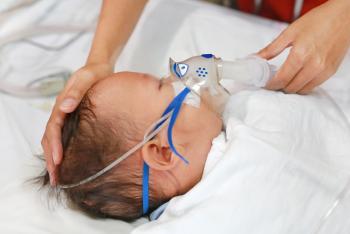
Respiratory syncytial virus (RSV) is a common respiratory infection that can be serious for infants...

Zephyr valves are tiny, one-way devices that help people with severe COPD or emphysema breathe...

Sue and Ron Caltabiano, ages 69 and 71, were each diagnosed with chronic obstructive pulmonary...