


HPV is one of the most common viral infections in the United States and is linked to several types...

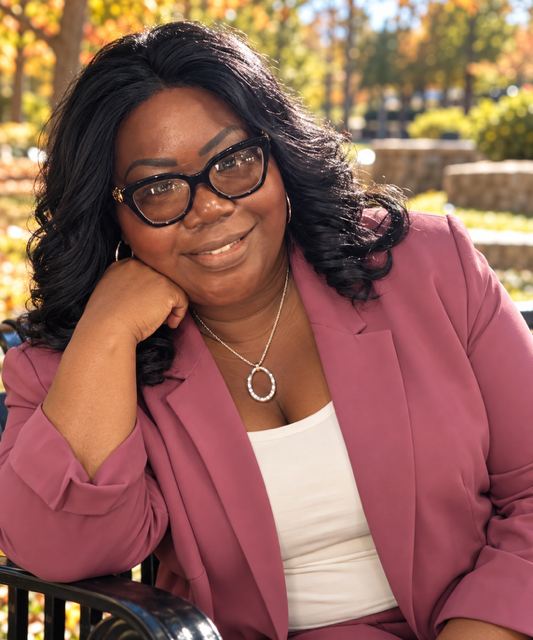
Tara Butler, a mother of two from Vineland, New Jersey, felt a lump in her breast during a self-exam in January 2023. What followed was a year-long journey through diagnosis, surgery, chemotherapy and radiation that would test her faith, her resilience and her trust in the people caring for her. She found all three at Inspira.
Tara is not someone who sits still. A 30-year veteran of juvenile corrections, she runs two alternative detention programs for Cumberland County's youth, overseeing electronic monitoring and in-home detention for young people who are working to stay out of the system. She also runs her own financial solutions business, Echelon Financial Solutions, and serves as chairwoman of the trustee ministry at her church in South Jersey. Between her two adult children and two grandchildren—including a 6-year-old grandson she describes as "the smartest person on earth"—her life moves fast, and she moves with purpose.
So when Tara noticed something unfamiliar during a routine self-exam just days after turning 50, she did not ignore it. "I felt a lump," she said. "I thought maybe it was nothing, but I acted on it anyway."
She made an appointment with her gynecologist and her primary care physician. Both encouraged her to stay with her concerns and keep moving forward. That instinct, to trust herself and keep asking questions, turned out to matter more than she knew.
What Tara did not know at the time was that she may have had an earlier opportunity to catch the cancer sooner. Her oncologist later found a record of a mammogram from another hospital in April 2021 that Tara had no memory of. Her mother had passed away that January, and grief had clouded that period of her life entirely. The mammogram was performed, but Tara never received a follow-up call from the hospital about the results.
By the time she discovered the lump in early 2023, it had grown considerably from what it may have been two years prior.
"I tell women: Just because they didn't call you doesn't mean you're good," she said. "Stay on top of it. Call and ask for your results. Because I probably would have only needed surgery at that point, and not everything I went through."
It is a message she now carries into her church and her community, calling herself a self-made advocate for early detection.
After her biopsy confirmed a diagnosis of invasive ductal carcinoma of the left breast, Tara was referred to Dr. Nandini Kulkarni, a breast surgeon with Inspira Health. She began chemotherapy in April 2023, and surgery was scheduled for the fall.
Tara remembers her first appointment with Dr. Kulkarni clearly.
"The very first day that I met with her, I knew I was going to like her," she said. "She had a plan. She busted out the Xs and Os on a piece of paper."
Tara laughed when she described it. Her father was a football coach, and she grew up fluent in the language of the game. When Dr. Kulkarni mapped out the treatment strategy the way a coach draws up a play, something shifted.
"When she did that, it was like: okay, this lady knows what she's doing," Tara said. "I had all the confidence in the world. That's what did it for me."
For someone who manages programs, oversees staff and runs her own business, the feeling of being out of control is one of the hardest parts of a serious diagnosis. Dr. Kulkarni understood that without Tara having to say it.
"I'm in control of a lot of things," Tara said. "So when I don't feel like I'm in control, I get weary. She stayed on top of everything with me. I didn't have any questions about what was going to happen next. This is the day we're going to do this. This is what to expect. There was no stone left uncovered. I knew everything."
On September 8, 2023, Dr. Kulkarni performed Tara's lumpectomy. During the procedure, she found that cancer had also spread to the lymph nodes. Twenty days later, on September 28, Dr. Kulkarni performed a second surgery to remove the affected nodes.
The road to recovery did not end there. Because her cancer was hormone receptor positive, she would need to be careful about what she ate and how she managed her health going forward. Radiation began at the end of November and continued through early February 2024. From late February through August 2024, she completed a second course of chemotherapy. She is currently on an oral chemotherapy medication as part of her treatment plan.
Through it all, Tara's oncologist, Dr. Mylene Go, brought the same energy she had come to expect from Dr. Kulkarni.
"She did the same thing," Tara said. "She told me exactly what the chemotherapies were, how many, what to expect. I talked to other people about their journeys and they didn't know what chemos they were on. They didn't know how many. She was just as good as Dr. Kulkarni as far as what I needed to know."
The extended care team reinforced that standard at every level. When Dr. Kulkarni was unavailable, her assistant, Cherisha Samuels, stepped in seamlessly. "I did not feel like I was getting any less care," Tara said.
Today, Tara describes herself as living well. The treatment took a physical toll—she experienced neuropathy during chemotherapy, lymphedema in her arm and challenges managing her blood pressure and blood sugar, as she has also been living with diabetes since 2022. Her care team addressed each complication as it came, connecting her with additional specialists, ordering compression garments and sending her to therapy for her lymphedema.
"Chemo and radiation do a lot of damage to your body," she said. "They will get rid of the cancer, but they do other damage. Still, my blood pressure and my blood sugar are under control. I feel a whole lot better than I did before."
She continues to follow up regularly with her doctors and keeps to her mammogram schedule every six months.
Tara continues to advocate for early detection. She invited Dr. Kulkarni to speak about breast cancer at her church in October. She tells every woman she knows to do her self-exams and follow up on her results, no matter what.
"If you get the right doctors and you listen to what they say, your journey won't be as hard as it could be," she said. "Keep the hope alive. Believe that you're going to make it through. Fight until you can't fight anymore."

HPV is one of the most common viral infections in the United States and is linked to several types...
Diagnosed on April Fool’s Day, Missy Cosgrove shares her stage 2 breast cancer journey and how...
From the Mummers Parade to her Inspira care team, Christina Camuccio found strength in every note of...