


Diagnosed on April Fool’s Day, Missy Cosgrove shares her stage 2 breast cancer journey and how...
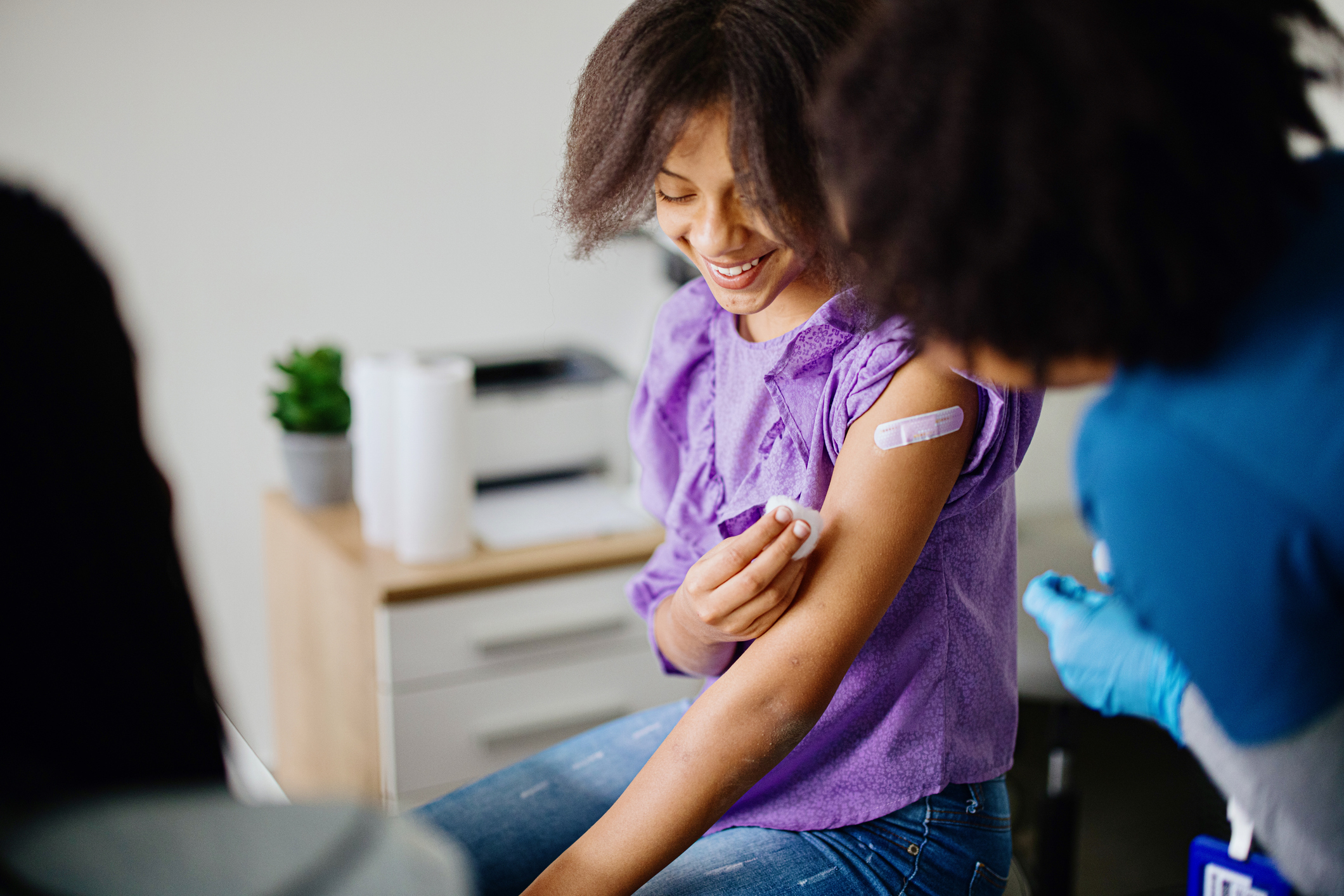
Most parents want to do everything they can to protect their children's long-term health. When it comes to human papillomavirus (HPV), one of the most powerful tools available is a vaccine that can be given well before there is any risk of exposure.
Here’s what you need to know about HPV and the HPV vaccine.
HPV is the most common sexually transmitted infection in the United States. In fact, the Centers for Disease Control and Prevention (CDC) estimates that nearly all sexually active people will get some form of HPV at some point in their lives if they are not vaccinated.
There are more than 100 strains of HPV, and most cause no symptoms at all. Many people carry and transmit the virus without ever knowing it. “The virus spreads through skin-to-skin contact, most commonly during sexual activity,” said Amanda Deal, D.O., a physician with Inspira Health. “Condoms, while helpful, do not fully prevent transmission since they don't cover all exposed skin.”
In most cases, your immune system will clear the infection on its own within a couple of years. But this isn't guaranteed, and there's currently no way to predict who will clear the virus and who won't. That uncertainty is part of what makes prevention so important. Certain high-risk strains can persist and, over time, lead to serious health problems.
HPV is more than a common infection. “High-risk strains of the virus are responsible for nearly all cases of cervical cancer, as well as a significant share of cancers of the throat, mouth, anus, penis, vagina and vulva,” said Dr. Deal. “Every year in the U.S., HPV is linked to about 37,000 new cancer diagnoses.”
The tricky part? There are no early warning signs. HPV-related cancers can develop silently over 10 to 20 years after the initial infection, which is why prevention, not just detection, matters so much.
The HPV vaccine (Gardasil 9) protects against the strains of HPV most likely to cause cancer and genital warts. It doesn't treat an existing infection, which is why timing is so important.
The CDC recommends that children receive the HPV vaccine at age 11 or 12, before they are likely to encounter the virus. When given at this age, two doses are all that's needed. Teens and young adults who start the vaccine series between ages 15 and 26 will need three doses.
Adults aged 27 to 45 may also benefit from vaccination, though the decision is best made in consultation with a doctor based on individual circumstances.
Yes. “The HPV vaccine has been studied extensively and is considered safe and effective by the CDC, the American Academy of Pediatrics (AAP) and health organizations around the world,” said Dr. Deal. “It has been given to hundreds of millions of people globally, and serious side effects are rare.”
The most common reactions are mild: soreness at the injection site, a low-grade fever or brief dizziness after the shot.
If your child is approaching their preteen years, now is a great time to bring up the HPV vaccine with your pediatrician or primary care doctor. It's a routine part of the recommended vaccine schedule, right alongside meningococcal vaccines and the annual flu shot.
Protecting your child from cancer may sound like a big promise for a small shot. But that's exactly what the HPV vaccine delivers, long before it's ever needed. Think of it the same way you think about a seatbelt: you hope you never need it, but you're glad it's there.

Diagnosed on April Fool’s Day, Missy Cosgrove shares her stage 2 breast cancer journey and how...

From the Mummers Parade to her Inspira care team, Christina Camuccio found strength in every note of...

Prostate cancer is the second most common cancer in men. While metastatic disease can feel daunting...