
THC edibles can look like candy, making accidental ingestion a growing concern for families. Learn...

Vaccines help protect children and adults from serious illnesses by building immunity before exposure happens. Recommended vaccine schedules provide protection at different stages of life based on age, health needs and risk factors.
A vaccine schedule is a recommended timeline for administering vaccines throughout life. Vaccine schedules are designed to provide protection at the ages when people are most vulnerable to serious illness. For children, vaccines are spaced out over time to support a developing immune system. For adults, vaccines help maintain protection and prevent illness later in life.
Vaccine schedules are based on extensive research and are updated as new evidence becomes available. Your primary care doctor can help determine which vaccines are recommended for you based on age, health history and risk factors.
Vaccines help the body learn how to recognize and fight specific infections. They expose the immune system to a harmless part or version of a virus or bacteria so the body can build protection without causing illness.
Once vaccinated, the immune system can respond more quickly and effectively if exposed to the real infection in the future. This protection helps reduce the risk of severe disease, complications and hospitalization.
| Vaccine | What it helps protect against | Recommended timing or eligibility |
| Hepatitis B | A liver disease that can be mild or lifelong | At birth, 1 to 2 months and 6 to 18 months |
| Rotavirus | A disease that causes severe diarrhea, vomiting and dehydration | Before 15 weeks, with the full series completed by 8 months |
| Diphtheria, tetanus and pertussis (DTaP) | Diseases that can cause breathing issues, muscle stiffness or severe coughing | 2 months, 4 months, 6 months, 15 to 18 months and 4 to 6 years |
| Haemophilus influenzae type B (Hib) | Meningitis and blood infections that can lead to brain damage, hearing loss or death | Starting at 2 months, with the last dose at 12 to 15 months |
| Pneumococcal (PCV) | Pneumonia, ear infections and meningitis that can cause severe complications | 2 months, 4 months, 6 months and 12 to 15 months |
| Polio | A virus that can cause paralysis | 2 months, 4 months, 6 to 18 months and 4 to 6 years |
| Measles, mumps and rubella (MMR) | Infections that can cause pneumonia, brain damage or death | 12 to 15 months and 4 to 6 years |
| Chickenpox (Varicella) | An infection that can lead to serious skin, lung or brain complications | 12 to 15 months and 4 to 6 years |
| Hepatitis A | A liver infection that spreads through close contact or contaminated food | 12 to 23 months and again six months later |
| Influenza (Flu) | A contagious respiratory illness that can lead to serious complications | Every flu season, starting at 6 months |
| COVID-19 | A respiratory illness that can cause severe disease | Everyone 6 months and older |
| Respiratory syncytial virus (RSV) | A virus that causes severe breathing issues | During RSV season, for eligible infants and young children |
| Human papillomavirus (HPV) | An infection can cause certain cancers | Ages 11 to 12, but can start as early as age 9 |
| Meningococcal ACWY | A disease that can affect the brain and bloodstream | Ages 11 to 12 and 16 years |
| Meningococcal B | An additional type of meningococcal disease | Those ages 10 and up who are at increased risk |
| Tetanus and diphtheria (Tdap) booster | Diseases that can cause serious breathing and muscle complications | Ages 7 and up |
| Vaccine | What it helps protect against | Recommended timing or eligibility |
| Influenza (Flu) | A contagious respiratory illness that can lead to serious complications | Every year |
| COVID-19 | A respiratory illness that can cause severe disease | Recommended for most adults |
| Tetanus and diphtheria (Tdap) | Diseases that can cause serious breathing and muscle complications | Booster every 10 years |
| Shingles (Zoster) | A viral infection that causes a painful rash | Recommended for adults 50 and older |
| Pneumococcal | Pneumonia, bloodstream infections and meningitis | Recommended for adults 65 and older or younger adults with certain health conditions |
| Hepatitis B | A liver disease that can be mild or lifelong | Recommended for unvaccinated adults or those at increased risk |
| Meningococcal ACWY | A disease that can affect the brain and bloodstream | Recommended for adults with certain risk factors |
| Meningococcal B | An additional type of meningococcal disease | Recommended for adults ages 10 and older at increased risk |
| Respiratory syncytial virus (RSV) | A virus that causes severe breathing issues | Recommended for some older adults or adults with certain health conditions |
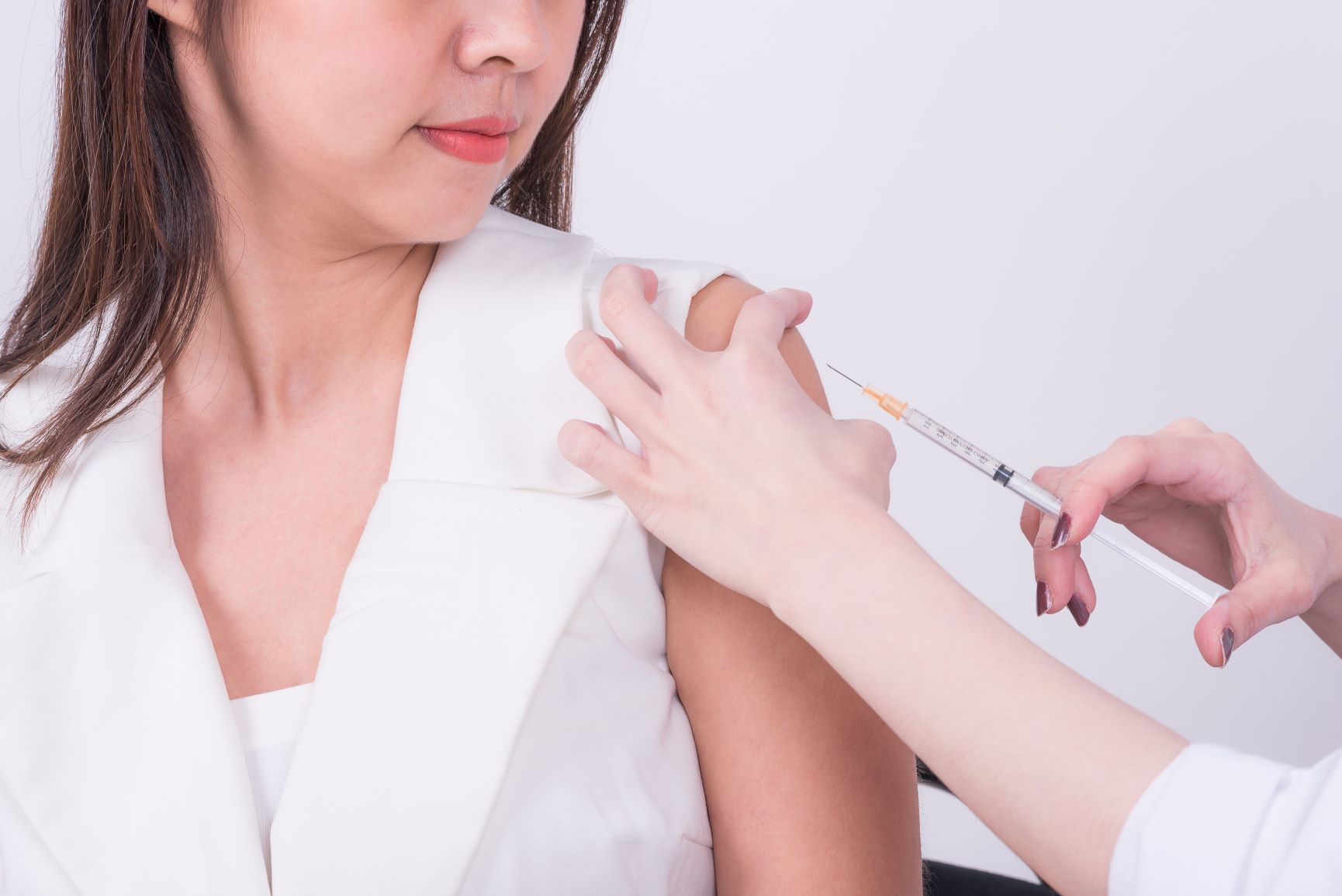
Before receiving a vaccine, a member of your care team will review your medical history and answer any questions. Most vaccines are given as a quick injection.
After vaccination, mild side effects such as soreness at the injection site, fatigue or low-grade fever are common and usually go away within a few days. Serious side effects are rare. You will be advised on what symptoms to watch for and when to contact your doctor.

THC edibles can look like candy, making accidental ingestion a growing concern for families. Learn...

Although cannabis is now legal in New Jersey, consuming too much or mixing it with other substances...

Tailgates, concerts and sporting events bring excitement, but they can also pose real safety risks...

Learn more about our online scheduling and schedule an appointment with your provider today.

We offer a wide variety of services at our many locations throughout New Jersey, including award-winning obstetrics and gynecology, cancer care and orthopedics.

World class care is in your backyard. Learn more about our local and nationally renowned physicians.