


Endoscopic sleeve gastroplasty (ESG) is an incision-free, same-day weight loss procedure that...
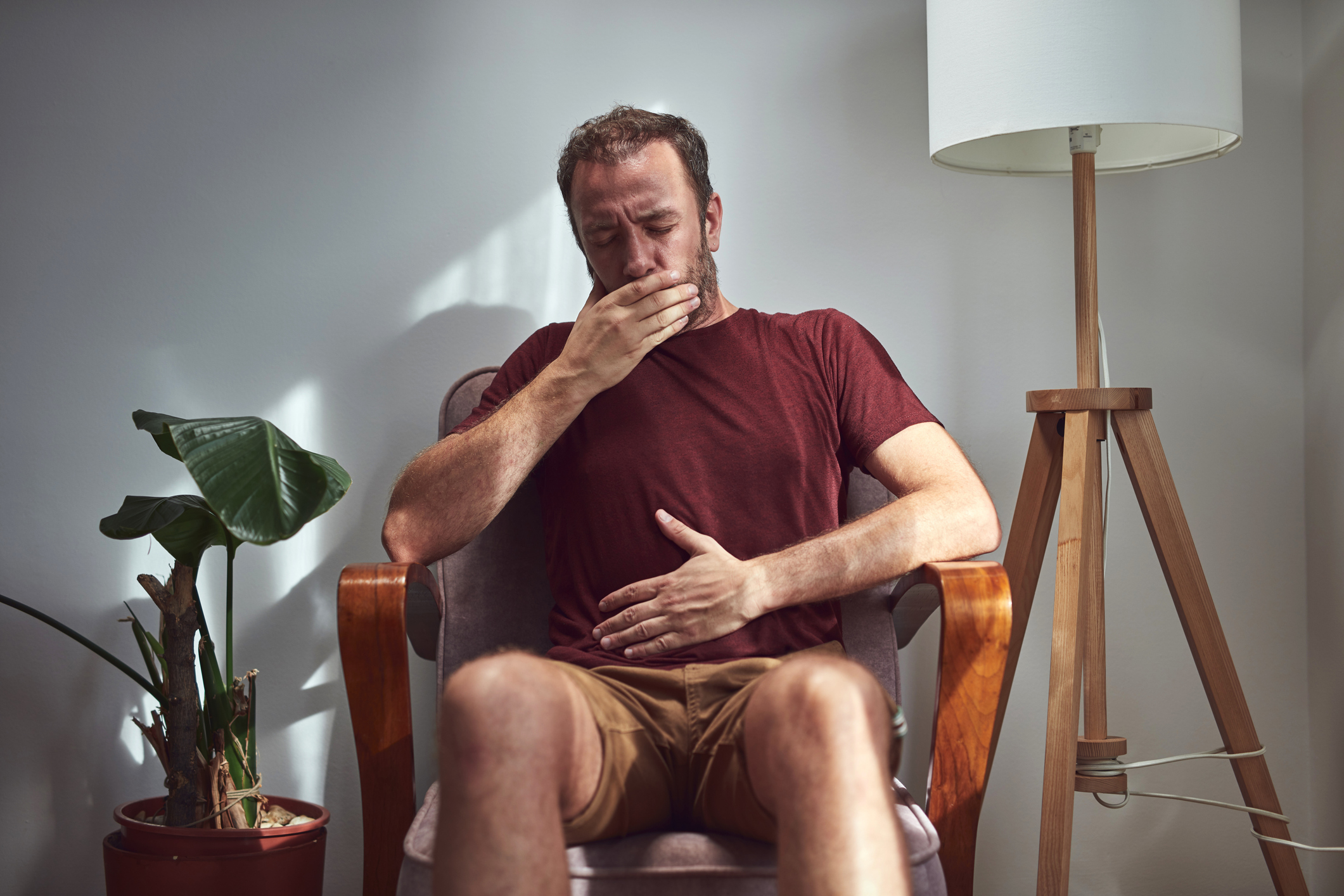
GLP-1 medications, including well-known options like Ozempic, Wegovy and Zepbound, help people manage their weight and conditions like type 2 diabetes by slowing digestion, reducing appetite and supporting blood sugar control. However, some people may experience an unpleasant side effect: sulfur burps.
Sulfur burps, sometimes described as sour belches, get their name from their distinctive rotten-egg smell, which comes from hydrogen sulfide gas the body produces during digestion. While unpleasant, they’re usually harmless and often temporary as your body adjusts to the medication.
GLP-1 is a naturally occurring hormone from the gut that regulates how quickly food leaves the stomach and when you feel full. GLP-1 medications mimic the hormone to help people eat less and lose weight. “By slowing digestion, these medicines keep food and stomach acid in the stomach longer, which can lead to gas, bloating or burping,” said Rebecca Dawson, D.O., a weight management physician at Inspira Bariatrics and Weight Management Mullica Hill. “When food sits in the stomach for an extended period, it can release gases containing sulfur, leading to the distinct sulfur belching some people experience on medications like semaglutide.”
Mild or occasional burping after starting a GLP-1 medication is typically normal, especially as your body adjusts to the treatment. This side effect usually improves after a few weeks or with dosage adjustments. Some people also notice hot burps, a warm sensation when belching, or diarrhea alongside other digestive symptoms.
“Frequent, severe or foul-smelling burps with nausea, vomiting, pain or heartburn may signal trouble with stomach emptying—these symptoms may mimic a medical condition called gastroparesis,” said Dr. Dawson. “Gastroparesis burping occurs when the stomach muscles move food too slowly, causing it to sit longer than normal and leading to symptoms such as bloating, early fullness and discomfort after eating.” Most people on GLP-1s never run into this issue, especially if their doctor increases dosing gradually.
These simple steps can ease mild burping or bloating with GLP-1 medications:
With your doctor’s approval, you may use over-the-counter remedies, such as simethicone or digestive enzymes, to relieve gas.
“Reach out to your care team if burping or digestive changes are persistent, uncomfortable or accompanied by vomiting, severe bloating, pain or an inability to tolerate food,” said Dr. Dawson. “These symptoms might signal a complication and should be discussed with your doctor, who may adjust your medication dosage, recommend changes in meal timing or investigate other causes.”
Never stop a GLP-1 medication without talking to your doctor. Most side effects can be managed with adjustments and support.
Sulfur burps can be an unpleasant but often temporary side effect of GLP-1 medications. Knowing when to seek help can make your weight management journey safer and more comfortable. With proper guidance and simple lifestyle tweaks, most can continue treatment successfully and stay on track toward their health goals.

Endoscopic sleeve gastroplasty (ESG) is an incision-free, same-day weight loss procedure that...

Revisional bariatric surgery may be an option for people who have experienced weight regain...

After a lifetime of struggling with her weight and managing diabetes with multiple daily insulin...